Z.ai falls to HK$335, more than 85% below its June peak, as Alibaba cuts token prices
The Beijing lab still carries about HK$163 billion of market value on HK$1.49 billion of trailing sales, with a HK$12.4 billion annual cash burn underneath. A new US rule on rented compute and Alibaba's cut to token prices are squeezing what is left for the funds holding Hong Kong's AI listings.
 Vincent Jiangthree-minute read
A buyback that could not hold the line
Z.ai−5.26% — Z.ai, down 5.26 percent today, the Beijing lab behind the GLM models and formerly known as Zhipu, closed at HK$335.00 on Tuesday, down 5.3%, after a 13.9% slide on Monday 12. The shares sit more than 85% below their June peak, unwinding a run that lifted them almost 2,000% in under six months from the January listing 1.
The chair's $510 million buyback proposal, reported on November 13, has not held the line: from that day's close of HK$408.40 the stock has fallen a further 18% 34. Short interest has reached a record 9.9% of the free float, on S&P Global data 5.
HK$163 billion riding on HK$1.49 billion of sales
Tuesday's close values Z.ai at about HK$163.3 billion, roughly 110 times its HK$1.49 billion of trailing sales 2. Underneath sit a HK$2.95 billion trailing net loss, HK$12.38 billion of levered free cash flow burned over the past year, and HK$4.58 billion of cash 2. Two sessions earlier, at HK$408.40, the same shares carried 118.6 times enterprise value to sales 4. Zhipu has also sat on the Entity List, the US export-control blacklist, since January 2025 6.
HK$163B of market value on HK$1.49B of trailing sales
The crash still leaves about 110 times trailing sales
Data
| Value | |
|---|---|
| Market value | HK$163.34B |
| Cash on hand | HK$4.58B |
| Trailing 12m revenue | HK$1.49B |
| Trailing 12m free cash flow | -HK$12.38B |
The new rule licenses rented compute
BIS, the Commerce Department's export-control bureau, released the interim final rule on November 15, written at the direction of the Treasury and the National Security Council so existing chip curbs "cannot be circumvented through remote computing arrangements involving data centers in third countries" 7.
The mechanics reach past shipments. A US license is required for computing equipment that exporters know will serve China-headquartered firms from data centers above 12 million units of total processing performance, the export-control measure of compute 8. Advanced chips bound for Singapore, Malaysia, Thailand, Indonesia and Brazil now need licenses too, and existing arrangements have 90 days to comply once the rule publishes on November 19 8.
The rule is the smaller threat to Z.ai itself
Two threats squeeze Z.ai's token business. The US rule is the smaller one for the company itself: Z.ai trains on its own data center of Chinese-made accelerators 4, and the license requirement lands on the labs that rent US-chip compute through those five countries instead. Alibaba's−3.40% — Alibaba, down 3.40 percent today price cut has no shield.
The price cut lands where Z.ai actually earns
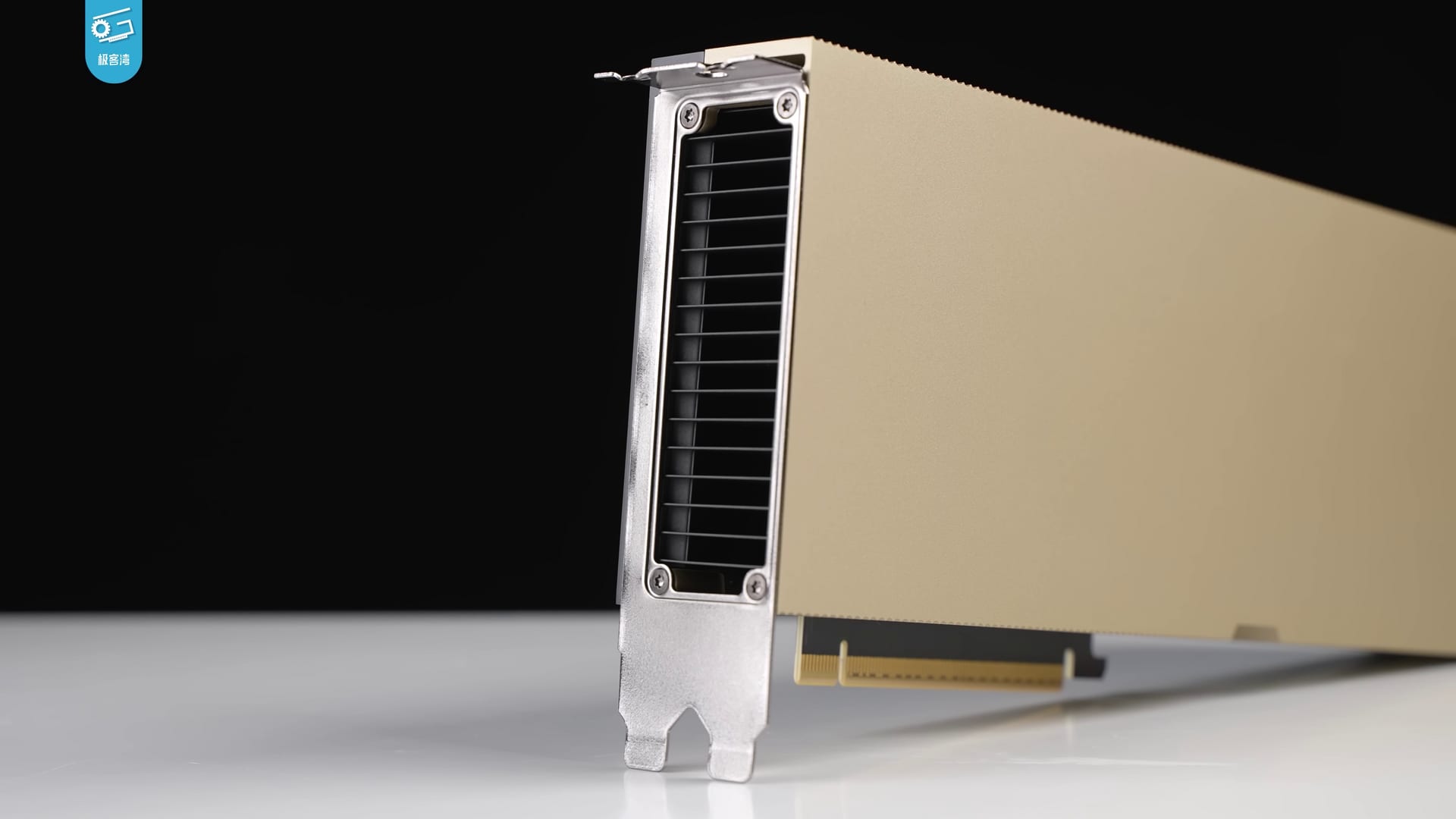
Qwen4-Max lists at $1.50 per million input tokens and $4.50 per million output, down from $2 and $6, with a claimed 62% lower cost per task on Alibaba's own benchmark 9. Z.ai's flagship GLM-5.3 lists at $1.4 and $4.4, and its open weights, the downloadable model files anyone can run, are the ones Nvidia−1.33% — Nvidia, down 1.33 percent today hands out in a $190,000 self-hosting recipe that pays Z.ai nothing 4.
Alibaba's cut leaves Qwen4-Max within $0.10 of GLM-5.3 on both input and output
- Input, $ per million tokens
- Output, $ per million tokens
Data
| Input, $ per million tokens | Output, $ per million tokens | |
|---|---|---|
| Qwen4-Max (Alibaba) | $1.5 | $4.5 |
| GLM-5.3 (Z.ai) | $1.4 | $4.4 |
Amazon's+0.42% — Amazon, up 0.42 percent today Bedrock, a pay-per-token model service, rents the same weights, and AWS says prompts are never shared with the model provider 6. Analysts at the Japanese bank Nomura expect tighter compute access to constrain model training and slow cloud revenue growth 10.
The money moved to the chipmakers
One session split China's AI chain. SMIC and Hua Hong, China's two big contract chipmakers, rose as much as 6.4% and 12% on Tuesday, while Alibaba fell 5.6%, Baidu−2.39% — Baidu, down 2.39 percent today 6.6%, robot maker Yushu Technology 11%, and Z.ai and MiniMax, a rival AI lab listed in Hong Kong in January, more than 6% each 10. MiniMax shows where this ends: HK$40.5 billion of market value against a March peak above HK$410 billion, on $116.6 million of first-half revenue and a $293 million adjusted net loss 211.
Nvidia's results and a January lockup decide what comes next
Three dates decide the next leg. Nvidia reports after the US close tonight, its first results under interim chief executive Colette Kress 12. The rule reaches the Federal Register on Thursday 8. A lockup on roughly 178 million pre-IPO Z.ai shares expires in January 5. Then the next income statement shows whether giving the weights away earns Z.ai any revenue at all.
One session, two directions: chipmakers up, model makers down
The rule's first session moved money to China's chipmakers
Data
| Value | |
|---|---|
| Hua Hong | 12% |
| SMIC | 6.4% |
| Alibaba | -5.6% |
| Z.ai | -6%+ |
| Baidu | -6.6% |
| Yushu | -11% |
Get Model by email, free
The AI labs, their models, and the business behind them. In our daily email, every weekday.


Reader comments
0 comments