Zhongji Innolight fell 8% to a year low on quant selling, not a US transceiver ban that only bites in 2028
The FCC draft bars only new transceiver models, a rule that bites with the 3.2T generation in 2028, while October's forced quant selling set this week's price. Innolight's owners are paying for a rout, not for a policy that has not taken effect.
 Vincent Jiangthree-minute read
The stock made its low before the ban made news
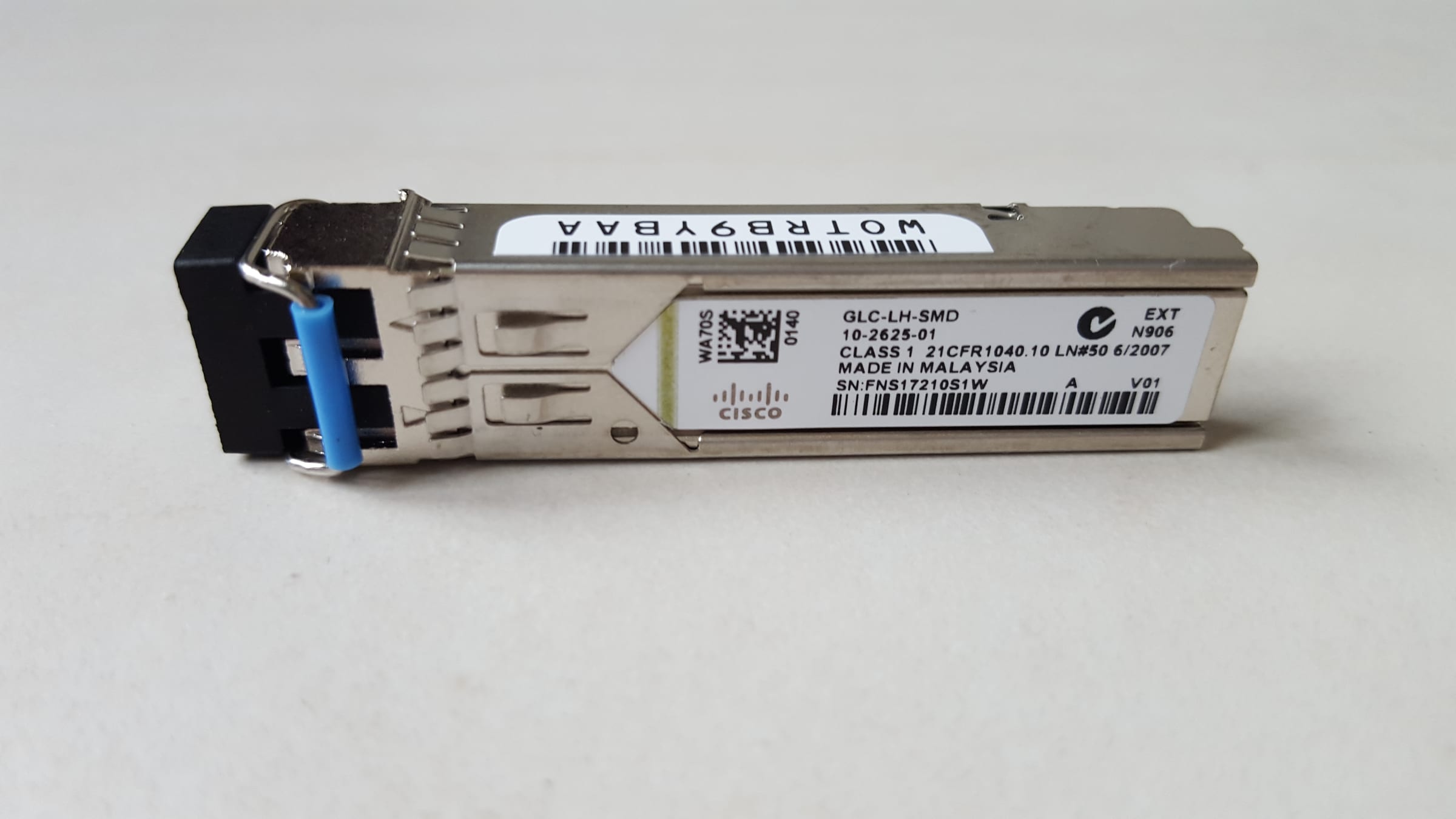
On November 16, Zhongji Innolight−3.90% — Zhongji Innolight, down 3.90 percent today (300308.SZ), the world's largest maker of the optical transceivers that move data between AI servers, printed its intraday low of the year, down more than 8% at the trough; its Hong Kong line, 03308.HK, fell 5.78% 2.
One day later, Reuters reported that the Trump administration will press ahead with the FCC's plan to bar imports of new Chinese transceiver models despite objections from Amazon−0.63% — Amazon, down 0.63 percent today, Google, Meta−1.20% — Meta, down 1.20 percent today, CoreWeave−0.83% — CoreWeave, down 0.83 percent today, Cisco+0.33% — Cisco, up 0.33 percent today and Microsoft−3.32% — Microsoft, down 3.32 percent today, whose executives told White House officials a supplier swap could take a decade 1. The US optical names that would inherit the demand jumped on the report: Coherent+2.13% — Coherent, up 2.13 percent today 10%, Applied Optoelectronics 9%, Lumentum+1.56% — Lumentum, up 1.56 percent today 8%, Corning 3.5% 4.
The sellers were not reacting to Washington
The November 16 low is dated before the November 17 policy story, and the register tells you who was selling 5611. October's rout hit every AI-linked Asian asset at once: quant long-only strategies in China all lost more than 10%, funds tracking the CSI 1000 fell 16.7%, China-focused stock-pickers fell about 11% on Goldman Sachs−1.85% — Goldman Sachs, down 1.85 percent today prime-brokerage estimates, China's Star 50 index lost 24% and leveraged investors in Hong Kong and Taiwan took margin calls 5611.
Aspex Management, the $14 billion Hong Kong fund that was a cornerstone backer of Innolight's $6.8 billion Hong Kong IPO in July, lost about 16% in October 610. Liquidating quant books, not the FCC calendar, set Monday's price.
October's AI rout swept every Asian AI-linked asset down at once
Aspex and the CSI 1000 quant books fell as hard as the tech indexes they rode
Data
| Value | |
|---|---|
| Star 50 | -24% |
| CSI 1000 strategies | -16.7% |
| KOSPI | -16% |
| Aspex Management | -16% |
| CSI 300 strategies | -11% |
| Nasdaq Composite | -5% |
The rule is a throttle, not a cutoff
The draft reaches only new models of Chinese transceivers; already-authorized hardware keeps importing and installed gear sits outside it 137. A 3.2 terabit-per-second speed threshold is under consideration, and Morgan Stanley−1.06% — Morgan Stanley, down 1.06 percent today expects 3.2T modules to ramp in 2028 and install widely in 2029, leaving today's 800G and 1.6T volumes untouched 7.
Innolight's fundamentals are intact: nine-month revenue rose 178% to CNY 69.5 billion, it holds about 27% of the global data-center transceiver market, and Alphabet−0.99% — Alphabet, down 0.99 percent today, Amazon and Meta supply 22%, 11% and 6.4% of its revenue 38. The customers who would switch are the ones whose spending drives its growth, so enforcement throttles the next product generation, not this year's shipments.
Three hyperscalers supply 39% of Innolight's revenue
- Alphabet2222%
- Amazon1111%
- Meta6.46.4%
- Other customers60.660.6%
Data
| Slice | Value | Share |
|---|---|---|
| Alphabet | 22 | 22% |
| Amazon | 11 | 11% |
| Meta | 6.4 | 6.4% |
| Other customers | 60.6 | 60.6% |
What could still pull this year's shipments into scope
The bear case lives in the final rule, not the draft: a threshold set below 3.2T, or a reach into the installed base, would pull Microsoft's current data-center expansion into scope 7. Hyperscalers can also dual-source.
The US replacement path is capped by material: China refines about 70% of the world's indium phosphide, and export controls since February 2025 have pushed the 6-inch wafer from about $1,400 to $5,000, so Coherent and Lumentum scale only as fast as Beijing's permits allow 3. The Huang resignation on November 12 keeps Washington's pressure alive 9.
The threshold, the 3.2T launch and Beijing's permits
Watch three readings: the threshold the FCC actually publishes, the authorization of the next 3.2T module generation, and China's indium phosphide export permits 8. Innolight closed November 17 at CNY 393, down 3.9% on the day and 35.6% this year, while the 19-analyst mean target sits at CNY 1,215 8.
The ban advanced a year before it can bite; the selling that priced it in is already done.
The market read the ban as a win for US optics names
The market read the ban as demand moving to US optical makers
Data
| Value | |
|---|---|
| Coherent | +10% |
| Applied Optoelectronics | +9% |
| Lumentum | +8% |
| Corning | +3.5% |
Get Data Center by email, free
Who is building AI's data centers, and who is paying for them. In our daily email, every weekday.



Reader comments
0 comments