Applied Materials lifts its Besi stake to about 20% as ASMPT declines to sell its chip-assembly unit
The strategics are paying up for the chip-assembly layer; the sell-side cannot agree what it is worth.
 Richard Tang · 3 min read
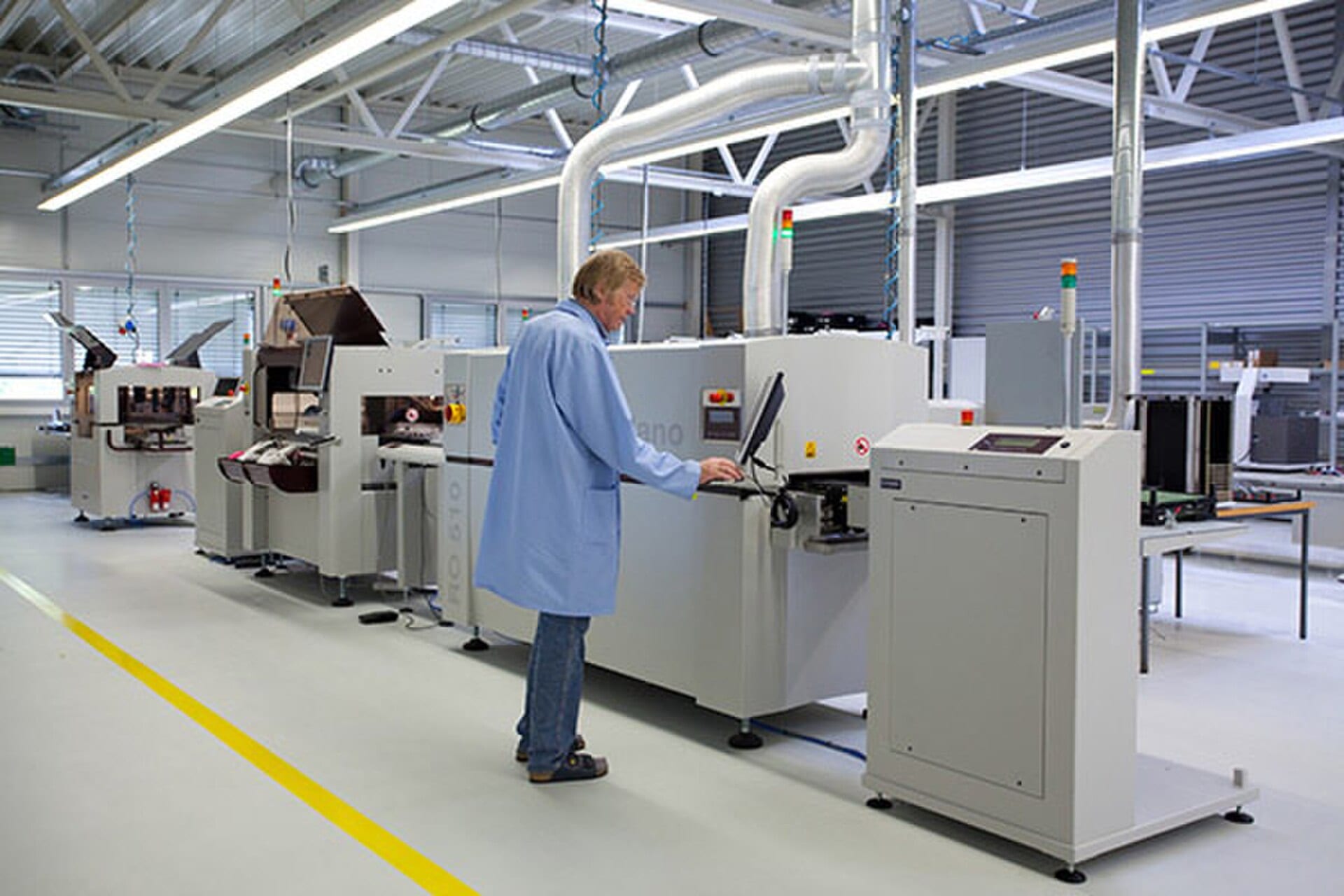
Inside ten days, the two owners who know the chip-assembly layer best have both decided to keep it. Today, ASMPT−10.30% — ASMPT, down 10.30 percent today, a Hong Kong-listed maker of chip-assembly equipment, ended the strategic review it opened in January and retained its SMT segment, the business whose machines print, place and inspect components on circuit boards 1. Reuters had reported IDG Capital, a Chinese investment firm, as the most advanced bidder in a race valuing the unit above $1 billion; ASMPT had wanted $1.5 billion 2.
Ten days earlier, Applied Materials+6.94% — Applied Materials, up 6.94 percent today, the largest US chip-equipment maker, signed an accelerated share purchase to lift its holding in BE Semiconductor Industries, the Dutch hybrid-bonding specialist known as Besi, from 9 percent to about 20 percent 34. The strategics are holding the assembly layer at exactly the prices the sell-side is discounting.
Chip assembly now sets the limit on AI compute
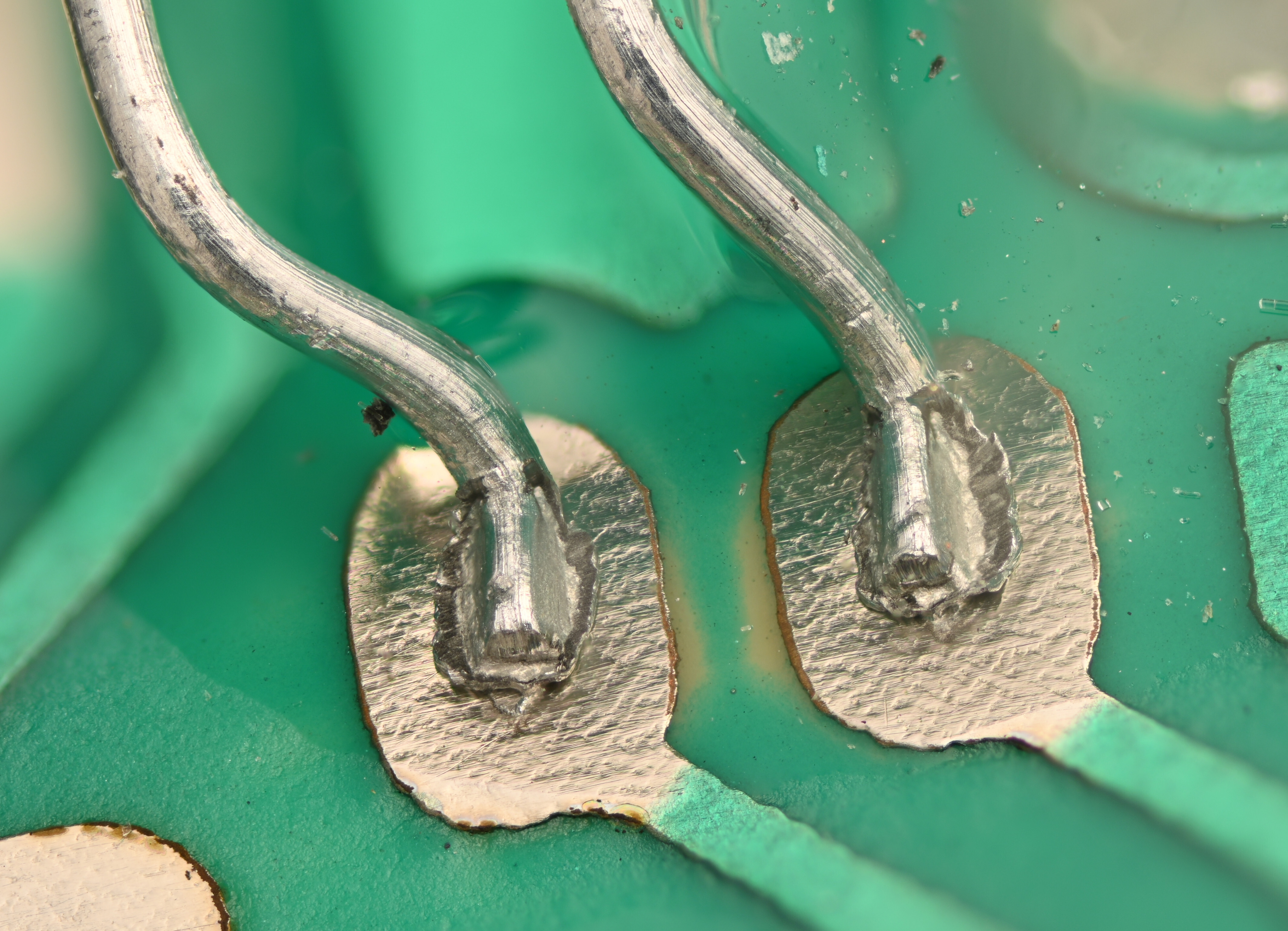
Hybrid bonding joins chips copper to copper, with no solder bumps in between: shorter connections, less energy moving each bit, more connections per square millimetre 5. That matters most for AI processors and the high-bandwidth memory stacked beside them.
Applied's semiconductor chief, Prabu Raja, calls the technique "increasingly critical" to energy-efficient AI compute, and in October called packaging a materials-engineering challenge, the language of front-end fabs rather than back-end assembly 38. The observable end of the chain is Besi's−7.30% — Besi, down 7.30 percent today orderbook: 23 hybrid-bonding customers, cumulative demand above 215 systems, and this year's hybrid-bonding orders already above all of 2025 6.
The argument is timing, not direction
Besi's third quarter was among the strongest in its history: orders nearly doubled to €342.6 million, and net profit roughly quadrupled 6. The market's answer was a flat fourth-quarter revenue forecast, and Besi's own admission that makers of high-bandwidth memory are adding capacity with existing techniques before they switch 6. Seven banks run from a €148 sell at UBS to €240 buys at ING and Berenberg, against a €153.70 share 6.
Besi targets run from €148 to €240 against a €154 share
A sell rating at the share price and buys well above it: banks cannot agree on Besi
Data
| Value | |
|---|---|
| UBS (sell) | €148 |
| HSBC (hold) | €169 |
| Bank of America (neutral) | €212 |
| Deutsche Bank (buy) | €220 |
| Barclays (neutral) | €240 |
| Berenberg (buy) | €240 |
| ING (buy) | €240 |
Who pays, and who carries the risk
Applied hands over cash for influence without control: no board seat, no stated plan to buy more, delivery still waiting on US antitrust clearance, and a stake kept below the 30 percent Dutch line that would force a bid for the whole company 345. Besi's holders carry the timing risk: the shares have roughly halved since their June peak while the memory makers wait 5.
ASMPT's shareholders now own management's projections, that AI applications went from 12 percent of SMT bookings in 2024 to more than half this year, with segment revenue projected to double to about $1.6 billion by 2027; Hong Kong marked the decision down about 11 percent 17.
On November 3 this network framed the SMT review as a sale into prices the seller called borrowed; the board declined to sell at all. The record book Capital Group sold into in September is now shareholders' to hold.
Three markers would settle the argument
Watch US clearance of Applied's purchase, and whether Applied ever signals going past its stated ceiling 3. Watch Besi's fourth-quarter order intake, and any memory maker naming a switch date 6. Watch ASMPT's 2027 milestones, which are projections until they land 1. The gap between the capability and the revenue is volume production, and whoever moves those hybrid-bonding customers onto running lines is doing the work the repricing pays for. The choice it poses is plain: back the strategics at the skeptics' price, or read their bid as the top of the repricing.
Get Chips by email, free
How AI demand is reshaping chipmakers, memory and the fabs behind them. In our daily email, every weekday.