AWS ships cheap GPU fault detection while the audit that works can cost a third of training speed
AWS's new HyperPod dashboard flags sick GPUs for a sliver of CPU; the audit that catches the fault it cannot see costs up to a third of training speed and appears on no invoice. Anyone capitalizing the AI buildout's committed compute is pricing hours nobody can cheaply verify.
 Richard Tangthree-minute read
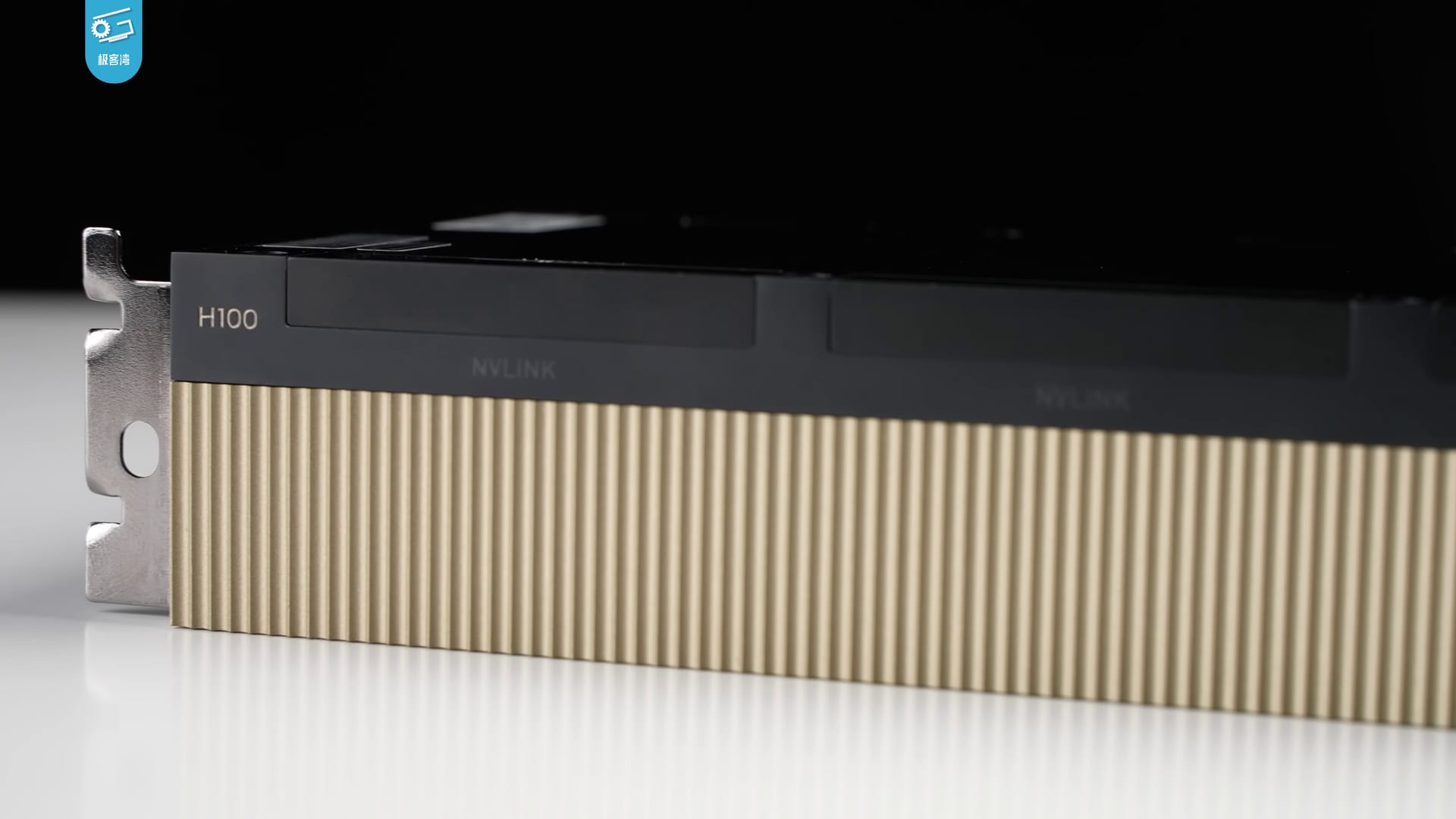
Yesterday AWS−2.75% — AWS, down 2.75 percent today gave SageMaker HyperPod operators a diagnostic summary that names the suspect GPU in a slowed training job: each card is compared against its peers on utilization, memory, temperature, power draw and clock speed, while static rules watch ECC errors, Xid faults, network degradation, throttling and overheating 1. Eight days earlier, AWS's own guide on silent data corruption stated the limit of that panel in one line: "a clean panel doesn't clear the node" 1. The dashboard is cheap; the check that matters is not, and no invoice carries it.
Peer comparison catches what announces itself
The design fits how the visible failures behave. In synchronous training every GPU waits at each step, so one slow card sets the pace for the whole job 1. Peer comparison finds such stragglers, and the rules catch faults that declare themselves. But researchers at New York University and ByteDance, tracing 3,079 pretraining jobs, found most stragglers come from uneven workloads, sequence-length imbalance and Python's garbage collector, not broken hardware 2. AWS publishes no deviation thresholds, minimum group size or price for the comparison, so an operator cannot yet judge how much of its output to trust 1.
The fault that never raises an error
Silent data corruption is different in kind: a GPU returns a wrong but plausible number with no ECC error, because ECC protects memory rather than arithmetic, and no Xid code, because a GPU raises one only when it detects a fault 1. The next synchronization step then spreads the bad value into every replica's weights 1. AWS's own blog put it plainly this week: large training jobs can compute wrong results even when every node looks healthy 3. Meta's−4.82% — Meta, down 4.82 percent today Llama 3 authors traced about 1.4% of unexpected interruptions to it; rare, and unbounded when it happens 1.
Certainty is bought in step time, not dollars
AWS's remedy runs inside the training loop: gradient checks, a ring replay audit where each GPU recomputes another's work, and weight fingerprints compared across replicas 1. On AWS's test, audits every 100 steps added about a tenth of step time; every 10 steps, about a third 1. AWS is the one compute seller that also sells the audit while telling customers the cheap dashboard cannot replace it.
Certainty costs up to 35% of training step time
The audit that catches what the dashboard cannot is paid in speed, not dollars
Data
| Value | |
|---|---|
| No audit | 0% |
| Audit every 100 steps | 10% |
| Audit every 10 steps | 35% |
The timing lands in a market repricing the compute bill. Nvidia−10.86% — Nvidia, down 10.86 percent today and its ecosystem shed $1.4 trillion of market value in weeks 4, the neoclouds hardest, and our US AI 100 index is down about 11% over the month 5. Labs training on committed capacity should treat the audit not as an engineering nicety but as part of the cost of every GPU hour. Whoever builds verification into the platform and prices it honestly is doing the work that makes the rest of the buildout bankable. That is where the value in AI infrastructure quietly sits this week.
Get Data Center by email, free
Who is building AI's data centers, and who is paying for them. In our daily email, every weekday.


Reader comments
0 comments