BlackRock's $33.4 billion AES buyout turns on one question: can 20 percent money run a 10 percent utility?
Five lawmakers have put GIP's 15 to 20 percent return targets inside FERC's public-interest review of the $33.4 billion AES buyout. Indiana and Ohio have already written the counter-record: zero cost-shifting certified for Google's load, recusals ordered for data-center-linked directors.
 Vincent Jiang · 3 min read
The charge: 20 percent money in a 10 percent business
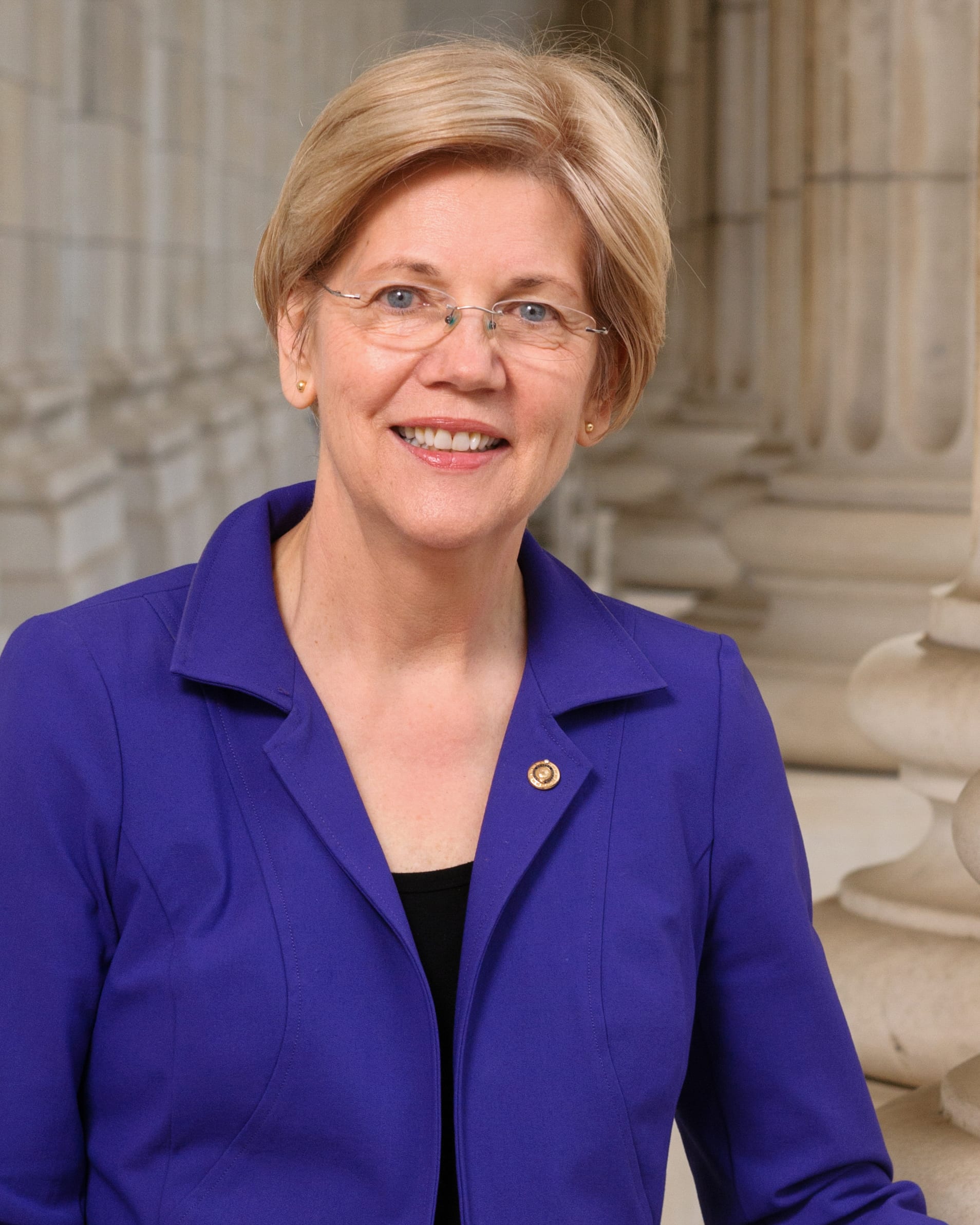
On September 28, 2026, Senator Elizabeth Warren and Representatives André Carson, Victoria Spartz, Rashida Tlaib and Ayanna Pressley asked FERC Chair Laura Swett to reject the sale of AES+0.20% — AES, up 0.20 percent today to a consortium led by BlackRock's+1.79% — BlackRock's, up 1.79 percent today Global Infrastructure Partners and EQT 1. The terms: $15 a share in cash, $10.7 billion of equity, $33.4 billion including debt, CalPERS and the Qatar Investment Authority alongside 2.
The letter is arithmetic. GIP generally seeks internal rates of return of 15 to 20 percent, roughly double the 10 percent median regulated utilities have historically earned, and the lawmakers argue the difference lands on ratepayers in Indiana and Ohio 13. The comparison pairs GIP's five-year target with a historical median, both as the letter states them 4.
GIP targets returns roughly double what regulated utilities earn
- Estimate
Data
| Value | |
|---|---|
| Regulated utilities, median return | 10% |
| GIP target IRR, low end (estimate) | 15% |
| GIP target IRR, high end (estimate) | 20% |
The buyer owns the load
The structural complaint is who sits on each side of the meter. By the letter's account, GIP owned 40 data centers when it filed with FERC in May, and in July, with BlackRock's AI Infrastructure Partnership and Abu Dhabi's MGX, closed the $40 billion purchase of Aligned Data Centers, more than 6.4 gigawatts across 51 campuses 45.
The letter counts at least 20 Aligned sites in the United States, two of them in Ohio, where AES Ohio serves more than half a million customers 46. The lawmakers call the risk cross-subsidization: utility investment that serves affiliated data centers while other customers carry part of the bill 1.
The buyer's data centers narrow to AES Ohio's home turf
Data
| Value | |
|---|---|
| Aligned campuses worldwide | 51 |
| Aligned sites in the United States | 20 |
| Aligned sites in Ohio | 2 |
Ohio has already written one answer. Approving the transfer on September 17, the Public Utilities Commission of Ohio ordered AES board members with data-center interests to recuse themselves from data-center matters 6. The state did not call the conflict imaginary; it managed it.
Indiana certifies the opposite
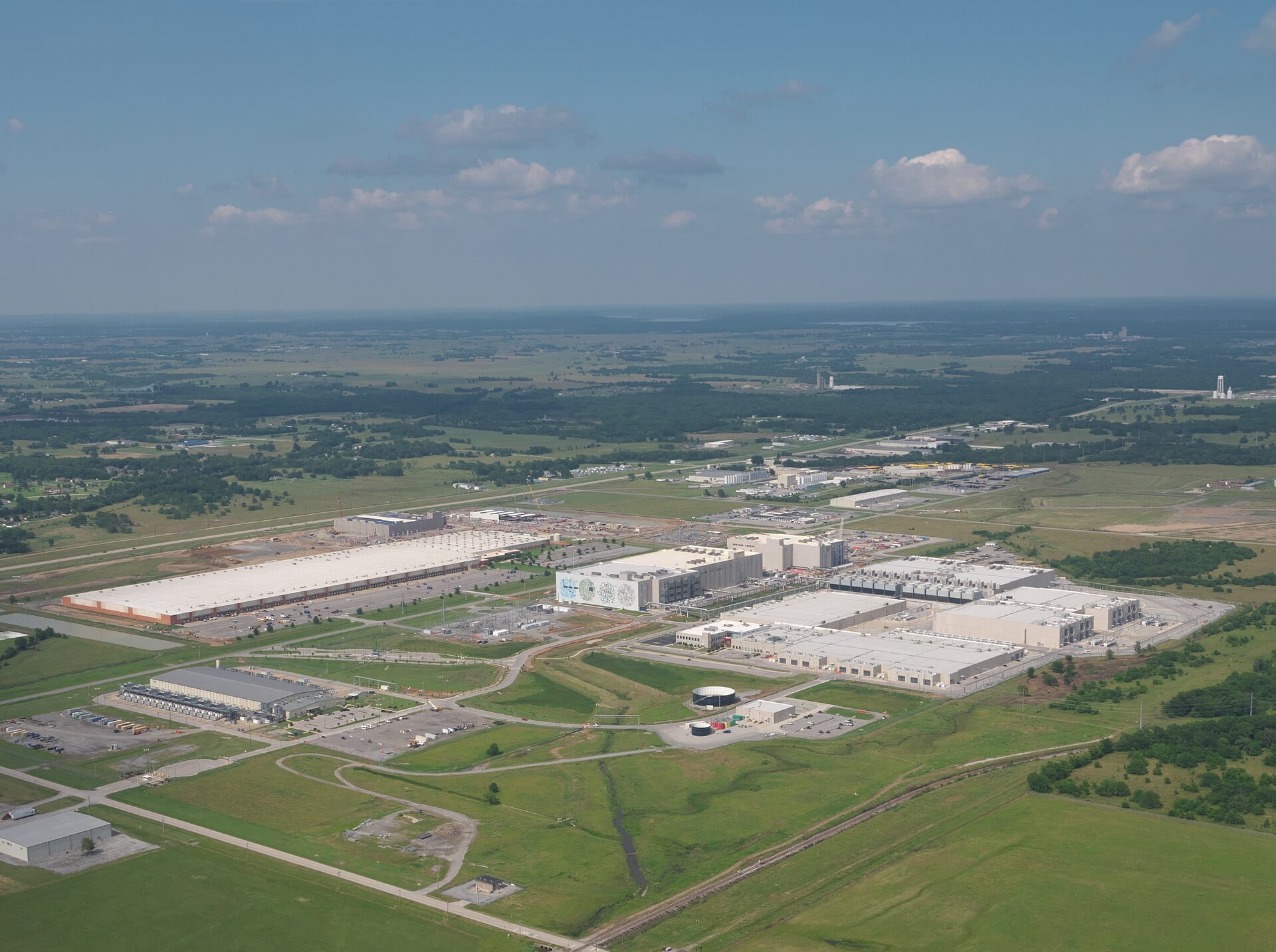
AES says no acquisition cost, premium or transaction expense reaches Indiana or Ohio ratepayers, and frames the buyers' capital as grid money 1. On October 7, the Indiana Utility Regulatory Commission approved AES Indiana's plan for Google's 390-megawatt data center near Monrovia 7. Google covers 100 percent of the costs to serve it, above the 80 percent minimum Indiana law requires, and pays at an 80 percent minimum demand level even if it uses less than projected 78.
AES puts the savings to other customers at $770 million over 15 years if Google draws its full load, about $47 a year for the average household, its own estimate 7. The full cost of serving Google, transmission upgrades included, AES estimates at $1.3 billion 7.
Rates keep running while the rehearing does
The same commission is writing the other side of the record. On September 30, it limited a rehearing of AES Indiana's June rate increase to two subjects: the Google project and the BlackRock-backed acquisition, and how each moves revenues, cost allocation, rates and cost of equity 9. Customers keep paying the higher rates while the review runs toward a March 11, 2027, hearing, if it is not settled first 9.
One gate left: FERC
Shareholders, CFIUS and Ohio have cleared the deal; FERC is the last gate, with closing guided to late 2026 or early 2027 12. At stake is the utility half of an AI-power roll-up the Gulf is underwriting: GIP sits inside a $30 billion infrastructure partnership with Gulf and Singapore state capital, and OpenAI$1.18T — OpenAI, private, latest valuation $1.18T is in talks with BlackRock and MGX to raise as much as $30 billion 10.
No public estimate yet prices what a condition would cost the buyers. Behavioral commitments, Ohio's recusal seal as the model, keep the guided close and the $15 cash in place, moving the fight to Indiana's rate cases. Conditions precedent, whatever must be done before approval rather than promised after, push closing past guidance, and the wait becomes the cost of holding AES for $15.
The March 11, 2027, hearing in Indianapolis is where the two records finally meet: the letter's arithmetic on one side, the state's certification on the other 9.
Deepdive
AI-generated from this story and its cited sources. Not investment advice.