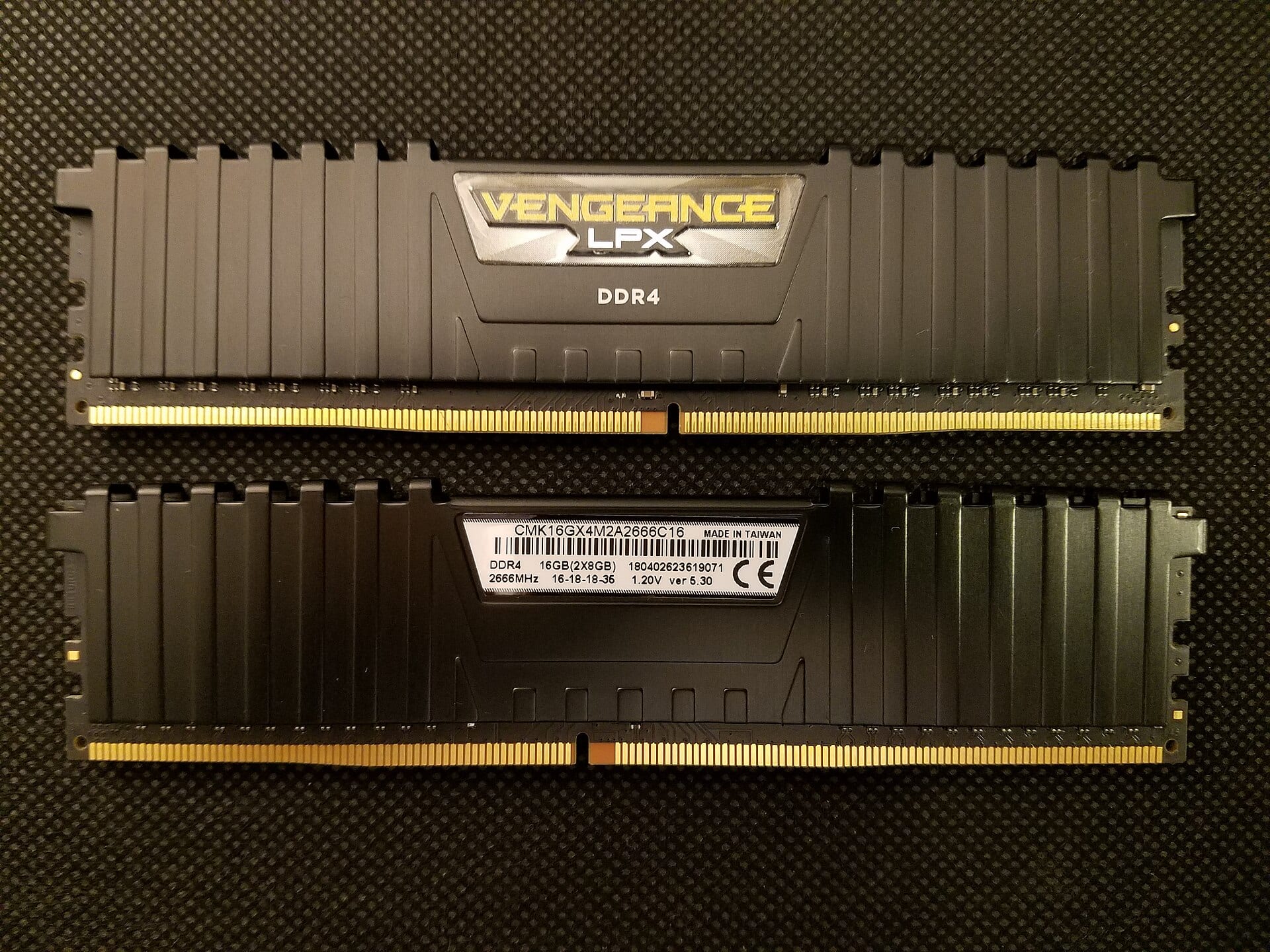
Canon will raise camera prices in 2027 after memory costs cut its operating margin by 5 points
The camera maker told analysts it will raise prices from 2027 after memory costs cut its margin by about five points. AI data centers are outbidding it for the same chips, and buyers are set to pay the difference.
 Vincent Jiang · 3 min read
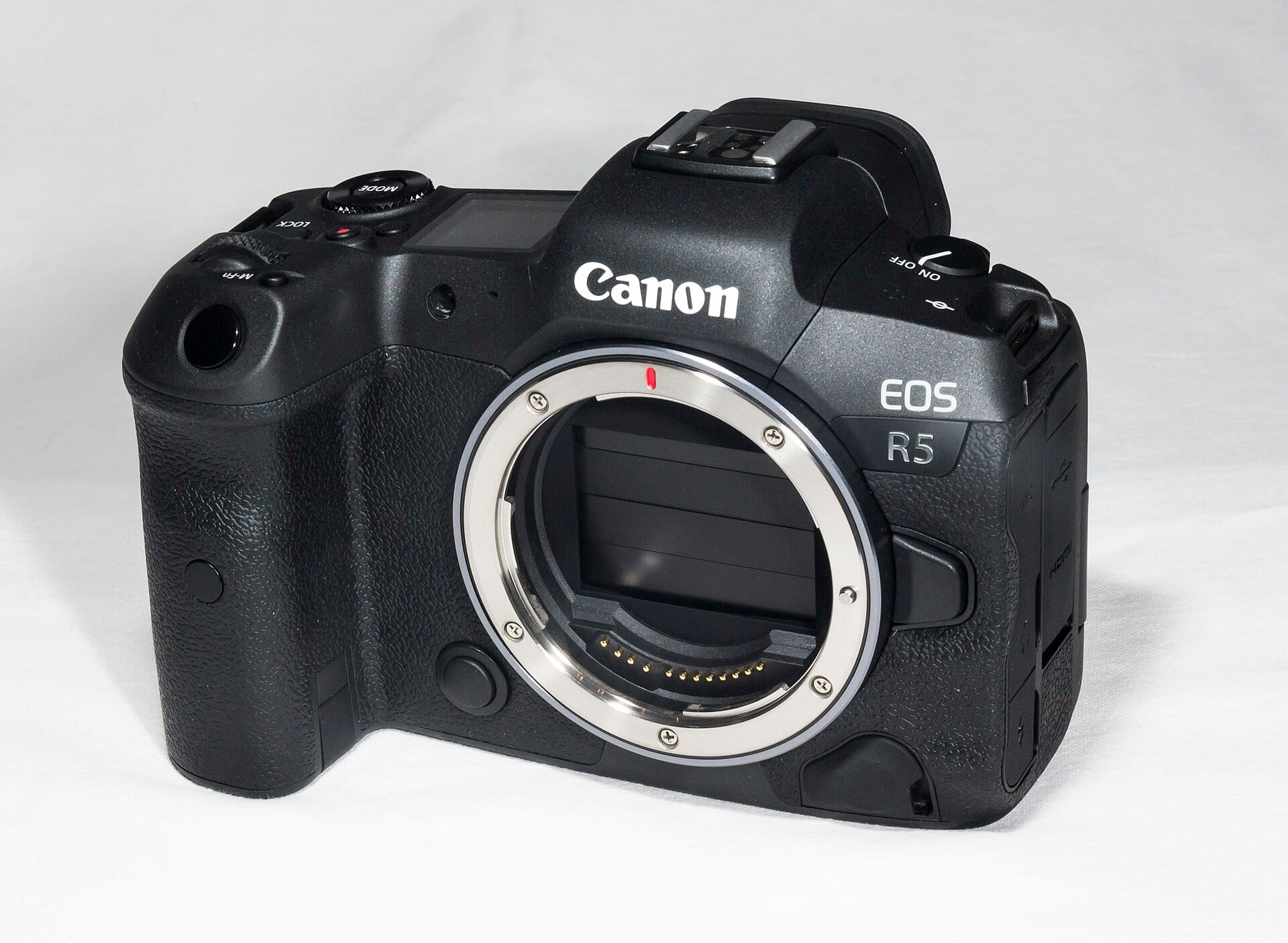
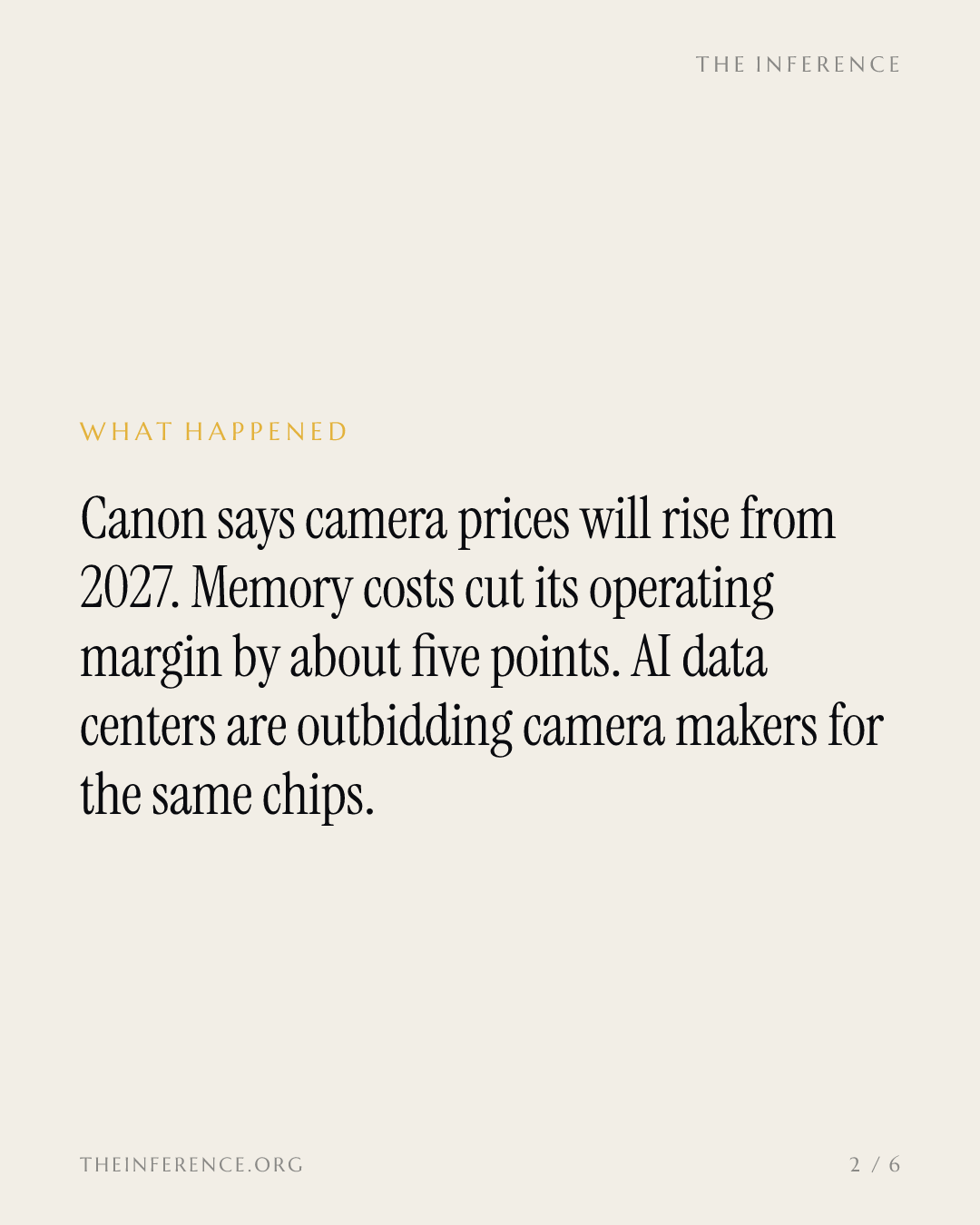
Canon picks pass-through over a margin bleed
Canon−4.80% — Canon, down 4.80 percent today, the world's largest camera maker, told analysts at its third-quarter 2026 results question-and-answer session that it will raise prices from next year onward to absorb rising component and material costs, first reported on November 3, 2026 1. The move is not new for Canon: it already lifted prices on some products earlier this year and said then it would keep weighing the hit to sales volumes 2.
Five margin points, and memory is named
The damage behind the decision is concrete. Canon said its operating profit margin deteriorated by roughly five percentage points, partly on higher memory prices and the Middle East situation, and that it has not yet fully passed those expenses on to customers 1. Memory and raw-material prices staying high are flagged as a negative factor for all of 2027, with a full-year impact 1.
The fuller-year arithmetic is already on the tape: on October 27 Canon cut its operating profit forecast for the year ending December 2026 from 465 billion yen to 456 billion yen, widened the sales impact of its delayed medical production recovery from about 45 billion yen to about 90 billion yen, and the stock fell 6.0% the next day 3.
The counterparty is an AI data center
The buyer outbidding Canon is not a camera rival. Conventional DRAM contract prices jumped roughly 90% to 95% in the first quarter of 2026, with NAND flash up 55% to 60%, as the three makers controlling more than 95% of DRAM output steer wafers toward high-bandwidth memory for AI 4.
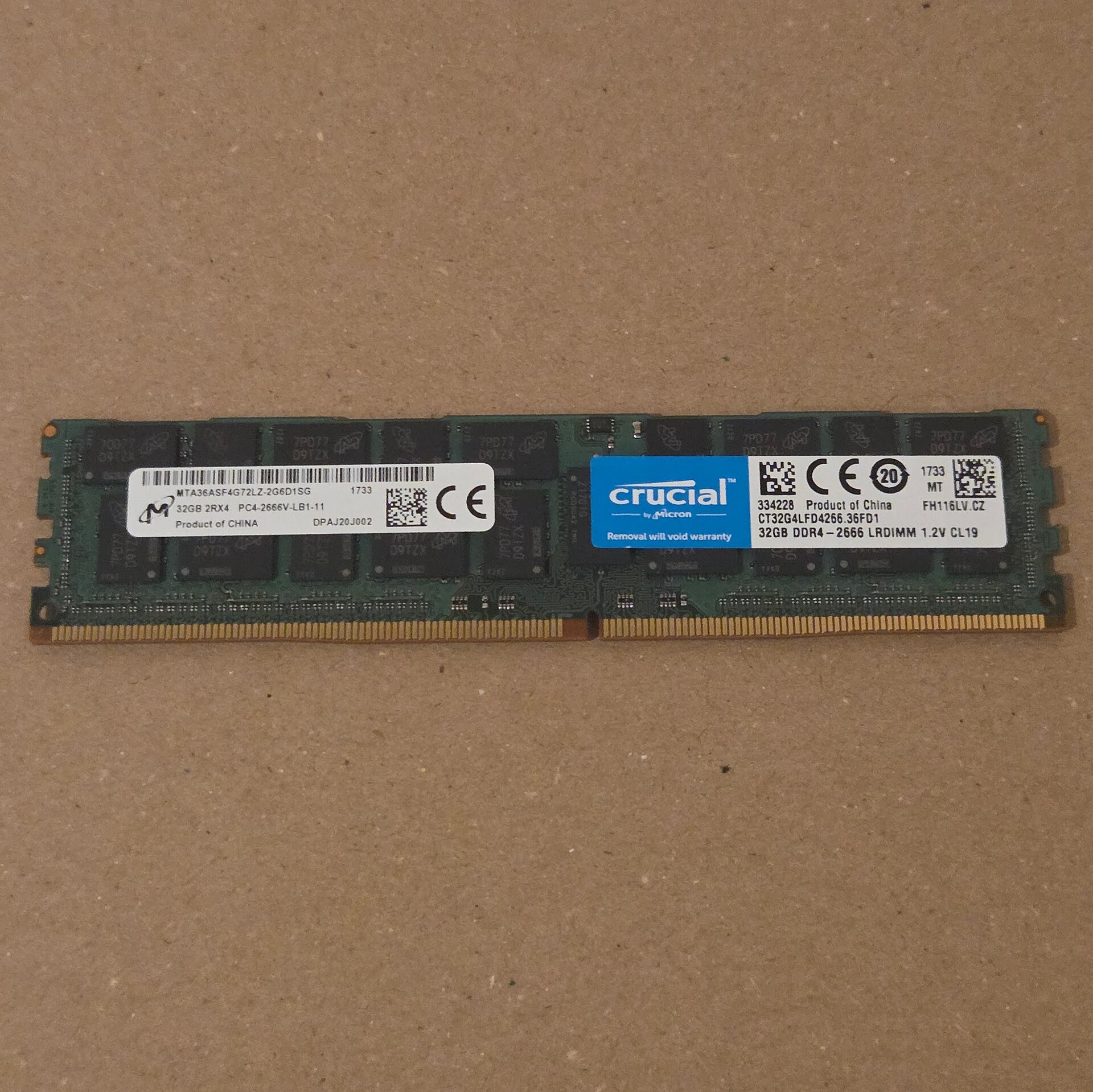
AI server applications now consume more than 40% of total NAND output and more than 70% of the most advanced tiers, bought at 60% to 80% gross margins against the 20% to 40% consumer memory pays 5. Canon's own briefing ties a printed-circuit-board shortage, running since August, to expanding AI-related demand 3.
Memory-hungry full-frame camera shipments fell 19.8% while compacts grew 15.3%
The models that need the most memory are the ones disappearing
Data
| Value | |
|---|---|
| Full-frame ILC | -19.8% |
| All ILC | -9.3% |
| Compacts | +15.3% |
Full-frame feels the shortage first
The squeeze shows up in the product mix, not just the ledger: Japanese industry data for January through August 2026 counts full-frame interchangeable-lens shipments down 19.8% and total interchangeable-lens units down 9.3%, while low-memory compacts grew 15.3% 5. Rivals are already repricing, with Fujifilm raising European camera prices 6.3% to 11.1% in September and select Japanese models by up to 23% in October 5. Trade press counts Canon's own interchangeable-lens camera sales down 16% in the third quarter 6.
The bull case has receipts too
The strongest opposing view is that Canon is bleeding from allocation, not from customers walking. Its imaging segment grew operating profit 33.2% in January to September, and management calls the revised outlook a "minimum target to achieve" 3. Canon says it has already secured its memory needs for 2026, so the squeeze is priced into 2027 rather than today 2.
What decides it in 2027
Canon's full-year report, expected early next year, should show how much of the 2027 cost wave it plans to pass through 2. The near-term tell is the fourth quarter: 128.3 billion yen of operating profit is required to hit the 456 billion yen forecast 3. Five margin points is the ask. Whether camera buyers hold their ground is the answer.
Get Chips by email, free
How AI demand is reshaping chipmakers, memory and the fabs behind them. In our daily email, every weekday.