Crusoe ordered 13 ProEnergy generator sets on GE's own jet engine core, skipping GE Vernova's six-year queue
GE Vernova's queue makes its pricing power, but the used and converted machines that skip it, some built on GE's own CF6 core, set a ceiling on that power. The bet is whether the queue holds to 2032.
 Richard Tangthree-minute read
GE Vernova−3.39% — GE Vernova, down 3.39 percent today is selling turbine slots for 2032 delivery, and the customers who cannot wait are bypassing its queue with machines built on GE's own jet-engine core 42. That is the tension every GEV holder, the stock's ticker for GE Vernova, is now paying for: the queue makes the pricing power, and the bypass undercuts it.
The queue is real. New US gas turbines take six years on average to deliver, orders top 100 gigawatts against annual manufacturing capacity of 60 to 70, and by 2028 projected demand of 129 gigawatts will still outrun about 87 gigawatts of capacity 13.
GE Vernova sold multiple 2032 slots last quarter, priced gas orders more than 20% above the end of 2025, and lifted its gas backlog from 53 to 64 gigawatts 4. We covered what that queue does to its cash on October 28, when it paid $9 billion for Trench Group hours after beating its own guidance (/article/ge-vernova-pays-9-billion-for-trench-group-hours-after-beating-its-own-guidance) 4. What is new since Monday is the documented market for machines that skip the queue, and who builds them.
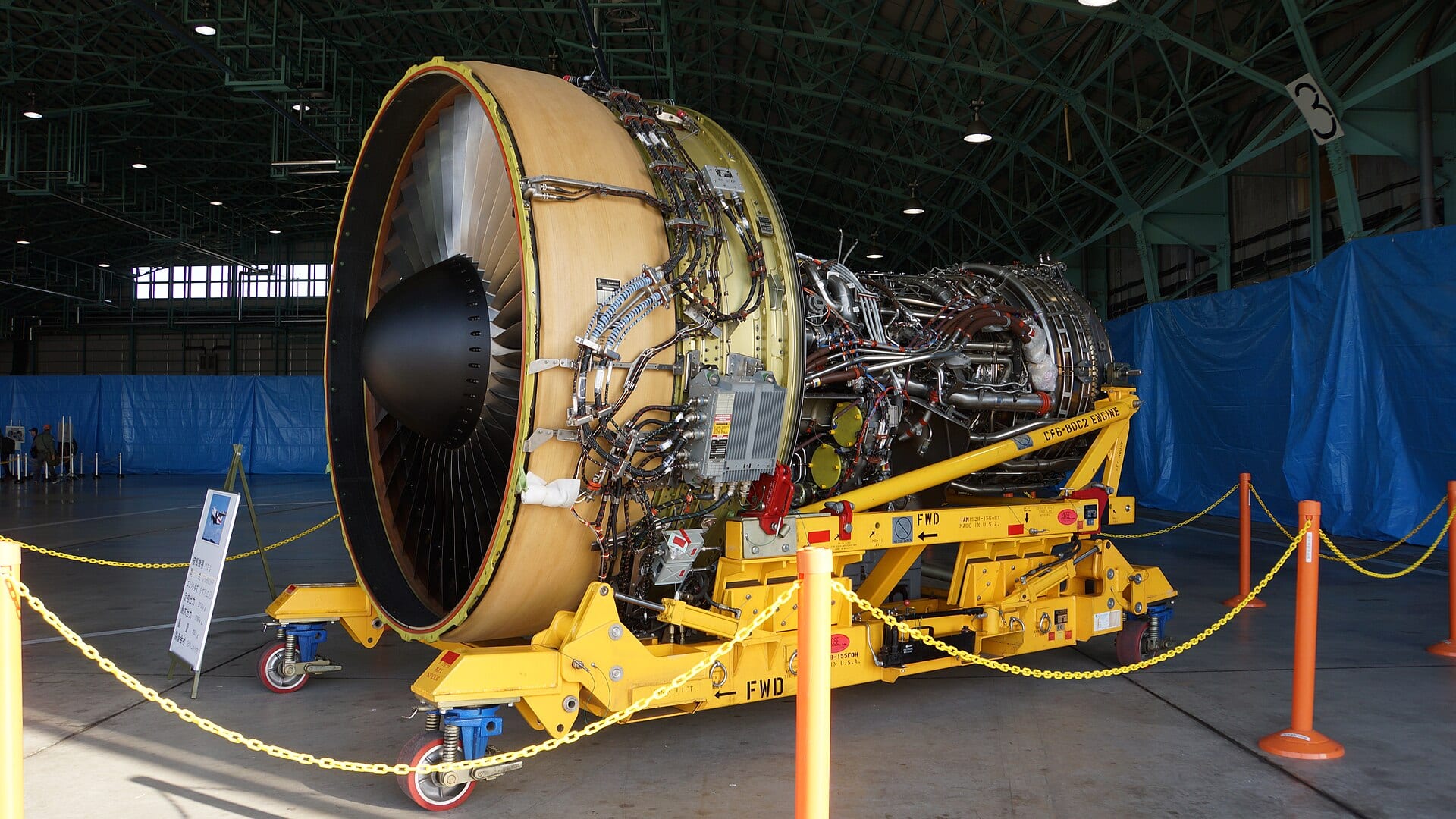
The bypass runs on GE's own engine
Crusoe$26.61B — Crusoe, private, latest valuation $26.61B, the AI infrastructure developer, signed for 13 ProEnergy PE6000 generator sets in April, 650 megawatts, arriving by summer 2027: a 2027 date on a six-year wait 2. The PE6000 is built on the GE CF6-80C2 engine core, so the shop selling around GE Vernova's schedule is using GE Vernova's own aerospace hardware 2. And Crusoe is also a GE Vernova customer, holding an order for roughly 29 LM2500XPRESS packages, nearly a gigawatt; the same buyer sits in both camps 2.
Used turbines trade at $1.5 to $1.7 million per megawatt against $2 to $2.5 million new, roughly $0.5 million to $1 million below new units, in a secondary market brokers call very hot 1. xAI$200B — xAI, private, latest valuation $200B already runs eight converted turbines at Colossus 2, its Mississippi data center, and on-site fuel cells from Bloom Energy, the fuel-cell maker, skip the queue entirely 25.
Used iron clears at $0.5 to $1 million per megawatt below new
- Low
- High
Data
| Low | High | Change | |
|---|---|---|---|
| Used turbines | 1.5 | 1.7 | +13.3% |
| New turbines | 2.0 | 2.5 | +25.0% |
Turbine demand outruns factories, and the gap widens by 2028
Demand outruns factory capacity today, and the gap widens by 2028
- Estimate
Data
| Value | |
|---|---|
| Orders today | 100 |
| Capacity today (60, low end) (estimate) | 60 |
| Capacity today (70, high end) (estimate) | 70 |
| Capacity 2028 (estimate) | 87 |
| Demand 2028 (estimate) | 129 |
Who pays, and what to watch
The developer wins, getting power in 2027 at a discount 5. GE Vernova carries the substitution risk. Its stock already prices a 21.4% Power EBITDA margin, which CEO Scott Strazik called a historically weak quarter 5.
If the queue holds to 2032, GEV is the cleanest way to own AI power; if a used market priced half a million to a million dollars per megawatt below new iron is a ceiling on pricing, the multiple is the risk 5. Two markers settle it. If fourth-quarter gas orders price below the roughly 20% premium over late 2025, the used market is biting 5. If total backlog clears $200 billion in the same quarter, the queue is still winning 5.
Get Power by email, free
How AI's hunger for electricity moves utilities, power plants and the grid. In our daily email, every weekday.