DeepMind is losing researchers over Google's Israel and Pentagon contracts, including $1.2 billion Nimbus
Google DeepMind, Alphabet's London AI lab, is losing researchers over its Pentagon and Israeli military contracts. The revenue is a rounding error next to Alphabet's compute spending; the departures land on the people its AGI bet rests on.
 Richard Tang · 3 min read
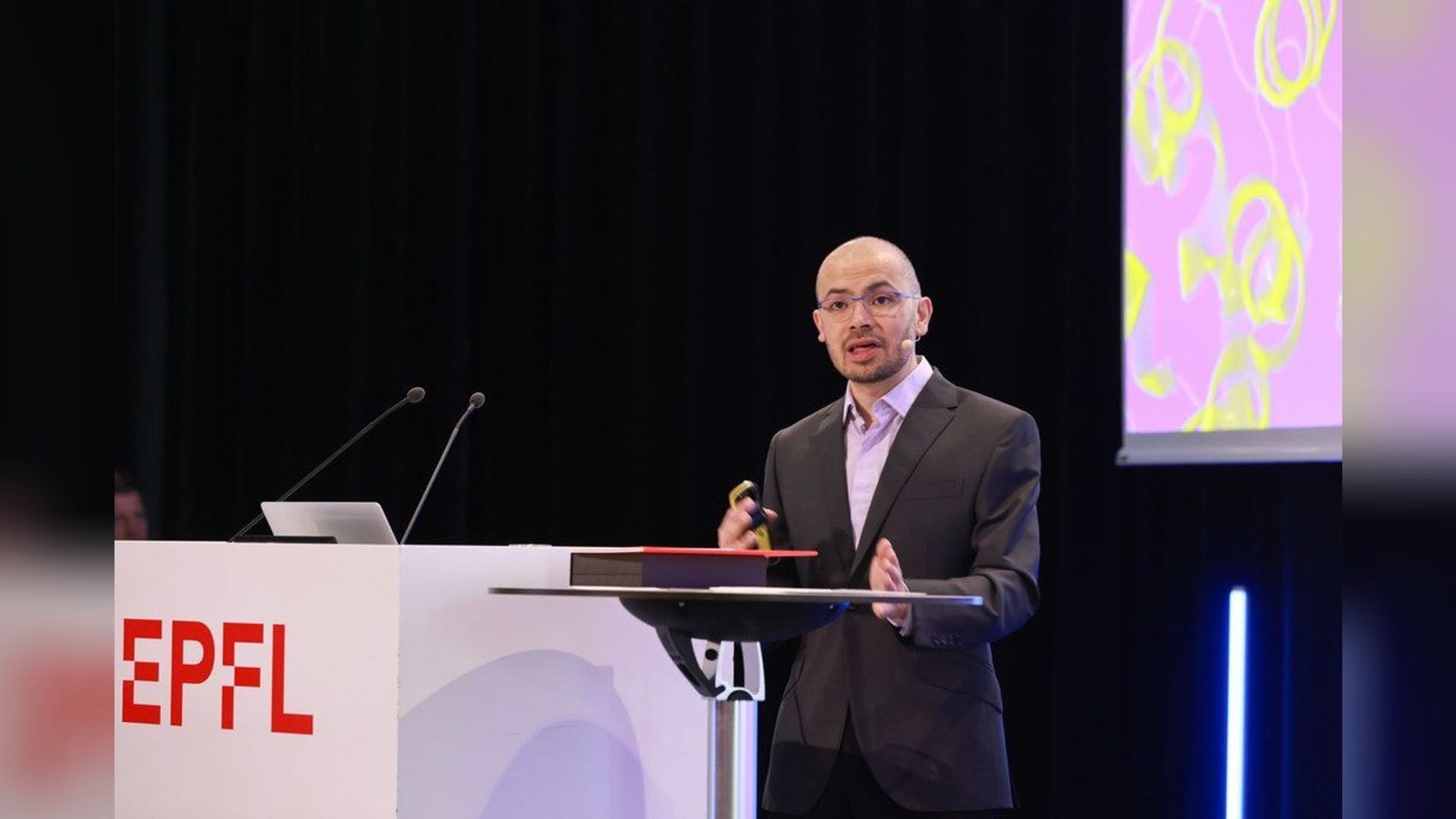
Google DeepMind, Alphabet's−2.50% — Alphabet, down 2.50 percent today artificial intelligence research lab in London, is trading researchers for a defense book, its portfolio of military contracts, and the two sides of that trade are not the same size. Sofia Liguori, a London-based research engineer, resigned this week over Google's military work for the United States and Israel; the AI researcher Andreas Kirsch left earlier this month; the BBC counts several more gone or leaving 12. The ethics fight is well covered. For Alphabet, Google's parent company, the money and the talent now point in opposite directions.
The contracts are small next to the compute bet
Run in order, the defense book built fast. Project Nimbus, the cloud-and-AI deal Google shares with Amazon−4.32% — Amazon, down 4.32 percent today for Israel's government and military, was selected in 2021 and is worth about $1.2 billion 32. The GenAI.mil contract with the Pentagon materialized in December 2025, while Google's Cloud unit ramped up to IL6, the security level required to handle classified workloads 1. In April, Google announced a classified agreement letting the military use its models for "any lawful government purpose"; the Pentagon confirmed the signing in early May 124.
On that scale the military money is small: Nimbus, over its whole life, is worth less than one week of Alphabet's capital spending, and capital spending is the bet the resignations land on.
Alphabet's quarterly capex has more than tripled in two years
Data
| Capex | |
|---|---|
| Q3 '24 | $13.06B |
| Q4 '24 | $14.28B |
| Q1 '25 | $17.2B |
| Q2 '25 | $22.45B |
| Q3 '25 | $23.95B |
| Q4 '25 | $27.85B |
| Q1 '26 | $35.67B |
| Q2 '26 | $44.92B |
The cost lands on the research bench
The departures started before this week. Alex Turner, a DeepMind research scientist who worked on AI safety, resigned in June with no other job lined up, after roughly 600 staff signed a petition against classified work 4. DeepMind's employees voted to unionize in May 1.
Liguori says her internal posts containing the word "genocide" were deleted, and her verdict now is that "we should have gone on strike" 1. Kirsch believes Google "seems to have no right to control or veto how the Pentagon uses its AI" 2. Google says it reviews such contracts through a consistent process, including its AI principles, and gives staff safe channels to raise concerns 2.
Maven was the precedent, and the hedge is new juniors
There is precedent, and it has an endpoint. Google withdrew from the Pentagon's Maven drone program in 2018 after mass protests and resignations, and in 2024 it fired roughly 50 workers over Nimbus office protests 5. Management's hedge now, in one current employee's words, is "a changing of the guard": a junior pipeline fills the seats 2.
Watch the departures, not the contract revenue
The resignations land on a bet Alphabet has priced in public. Sundar Pichai, Google's chief executive, said in an interview on October 20 that Google Cloud gives up short-term revenue so scarce compute reaches DeepMind's most advanced projects first 6.
Demis Hassabis, DeepMind's chief executive, told The Wall Street Journal that artificial general intelligence, machines that match human ability across the board, is two to three years away 7. A roadmap at that distance likely rests on a small number of senior researchers rather than on headcount, which is what would make the changing of the guard a risk rather than a staffing note.
Refusal has a price too
Refusal has a price too. A federal appeals court upheld the Pentagon's blacklisting of Anthropic, the rival lab that refused to drop safeguards against autonomous weapons and mass surveillance 8. Anthropic$350B — Anthropic, private, latest valuation $350B paid for refusal with the blacklist; Google is paying for the contracts with its researchers.
The Pentagon and Nimbus money should reach Cloud's reported numbers over the next few quarters. The departures are the leading indicator, and they are the side of the trade to watch.
Get Model by email, free
The AI labs, their models, and the business behind them. In our daily email, every weekday.