DHL Express booked an extra €100 million in Q3 as AI hardware ran air cargo out of space
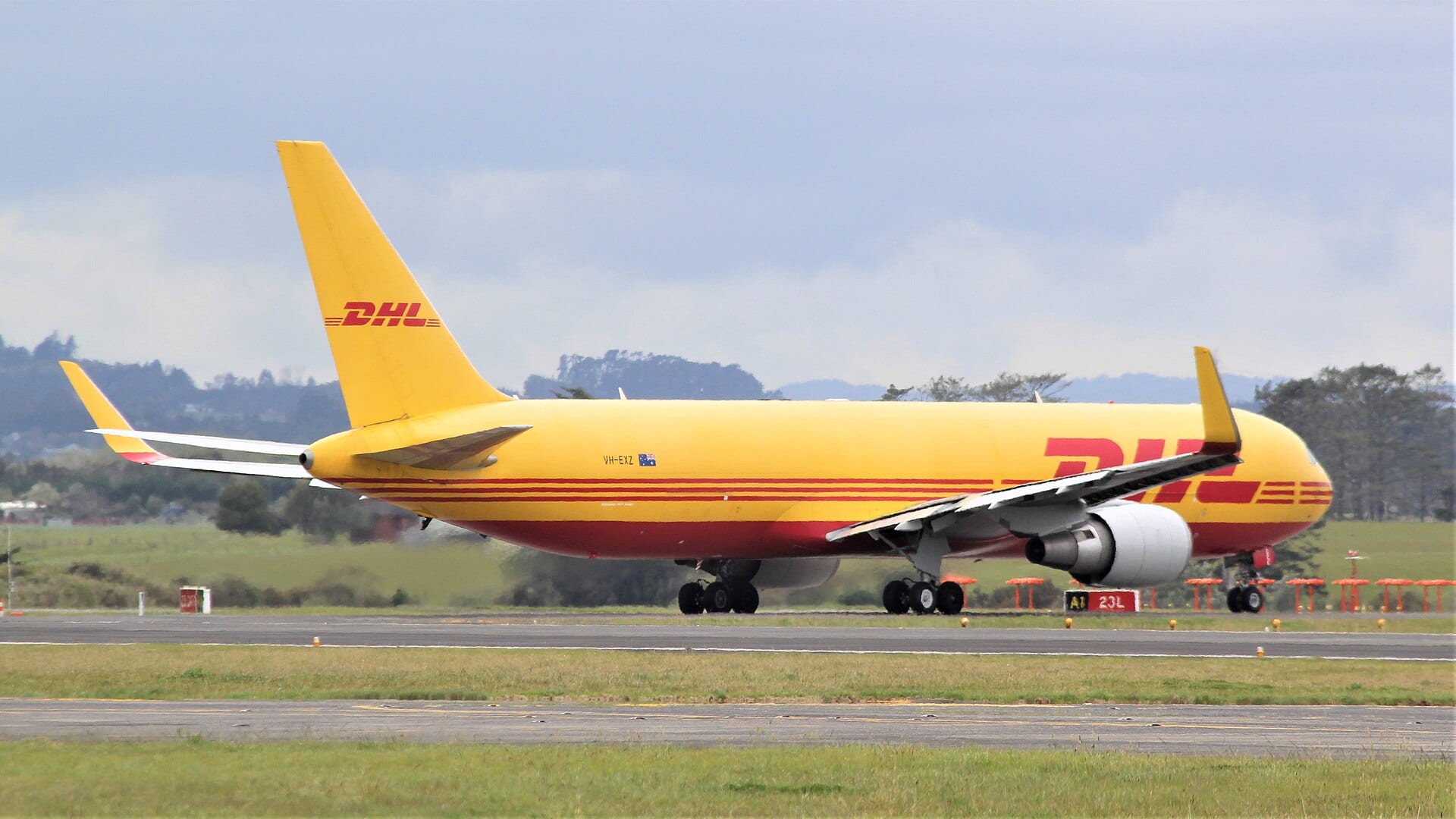
Air cargo sold out, and shippers of AI data-center hardware paid express prices for the space that was left. DHL Express collected about €100 million of that in Q3, and it is a queue, not a business: it clears when the new capacity DHL is already building lands.
 Richard Tangthree-minute read
The €100 million is the price of a missed uplift
With its third-quarter results, DHL+0.59% — DHL, up 0.59 percent today Group said capacity constraints in the airfreight market added about €100 million to the earnings of its Express division 1. That money is a queue charge, not a business: it exists because ordinary cargo planes ran out of space and freight rerouted into an express network that guarantees uplift, at express prices. Express operating profit rose by half in the quarter, and the Frankfurt-listed group raised full-year profit guidance for the second time this year 2.
The same shortage ran through FedEx's+1.16% — FedEx, up 1.16 percent today latest quarter, reported in late October. Average daily international freight pounds rose 15% 3. Chief executive Raj Subramaniam said FedEx had won air-freight business from an AI data-center customer after a relationship of more than 40 parcel-centric years 3.
The queue is made of AI hardware
Why air cargo sold out: the Globalization Tracker that DHL builds with NYU Stern put AI-enabling goods at 42% of global goods-trade growth in 2025 4. In the first quarter of this year the share reached 76% 4, a shift we mapped in October; what is new this month is the price it set. Those goods are physical, chips and servers built largely in Asia and flown to North American data centers.
IATA, the airline trade body, counted September demand up 7.7% on the year 5. Capacity grew 2.7% 5. Asia to North America has grown for eight straight months, and IATA's economist names AI shipments as the driver 5.
DHL is building the end of its own windfall
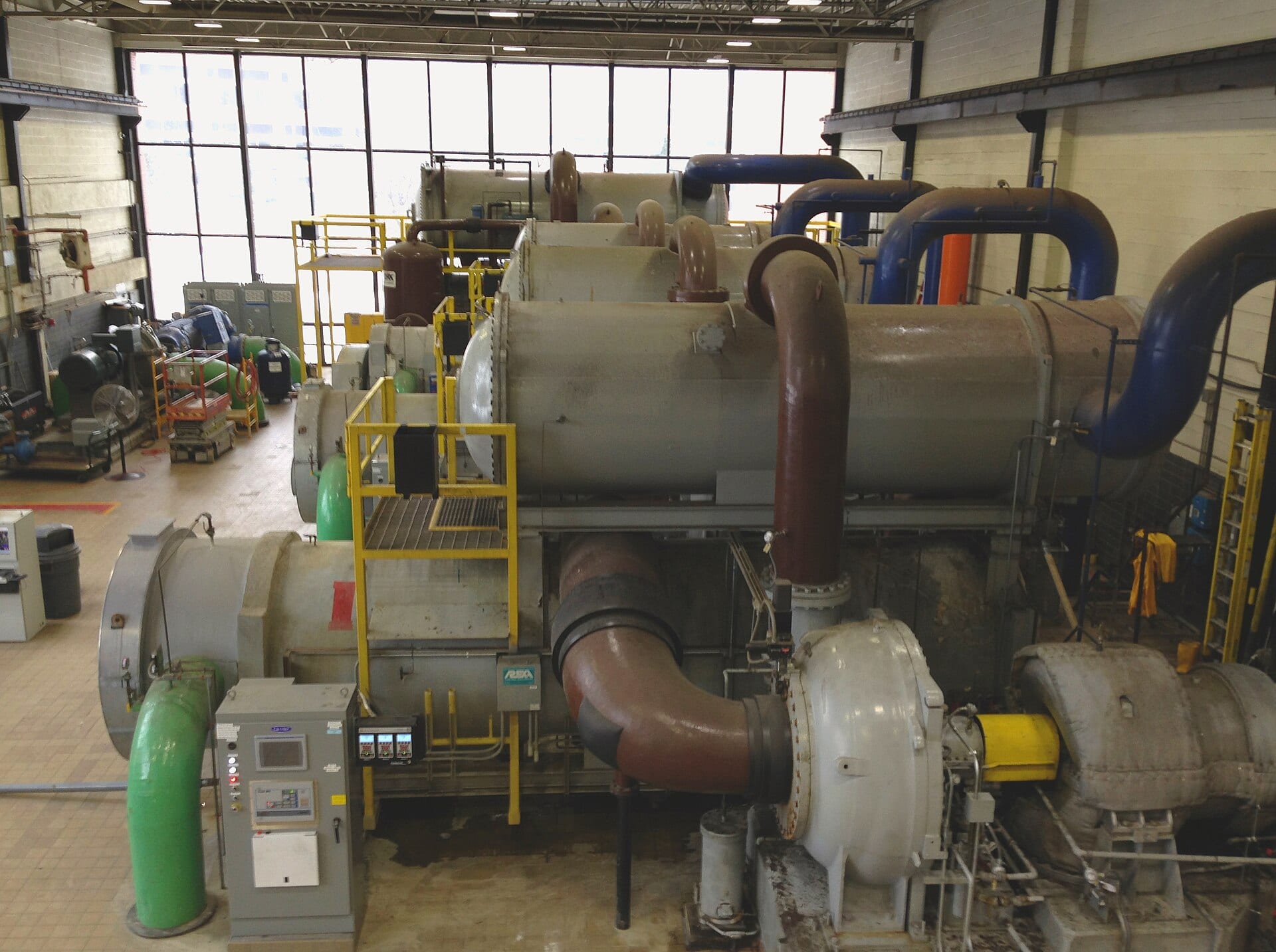
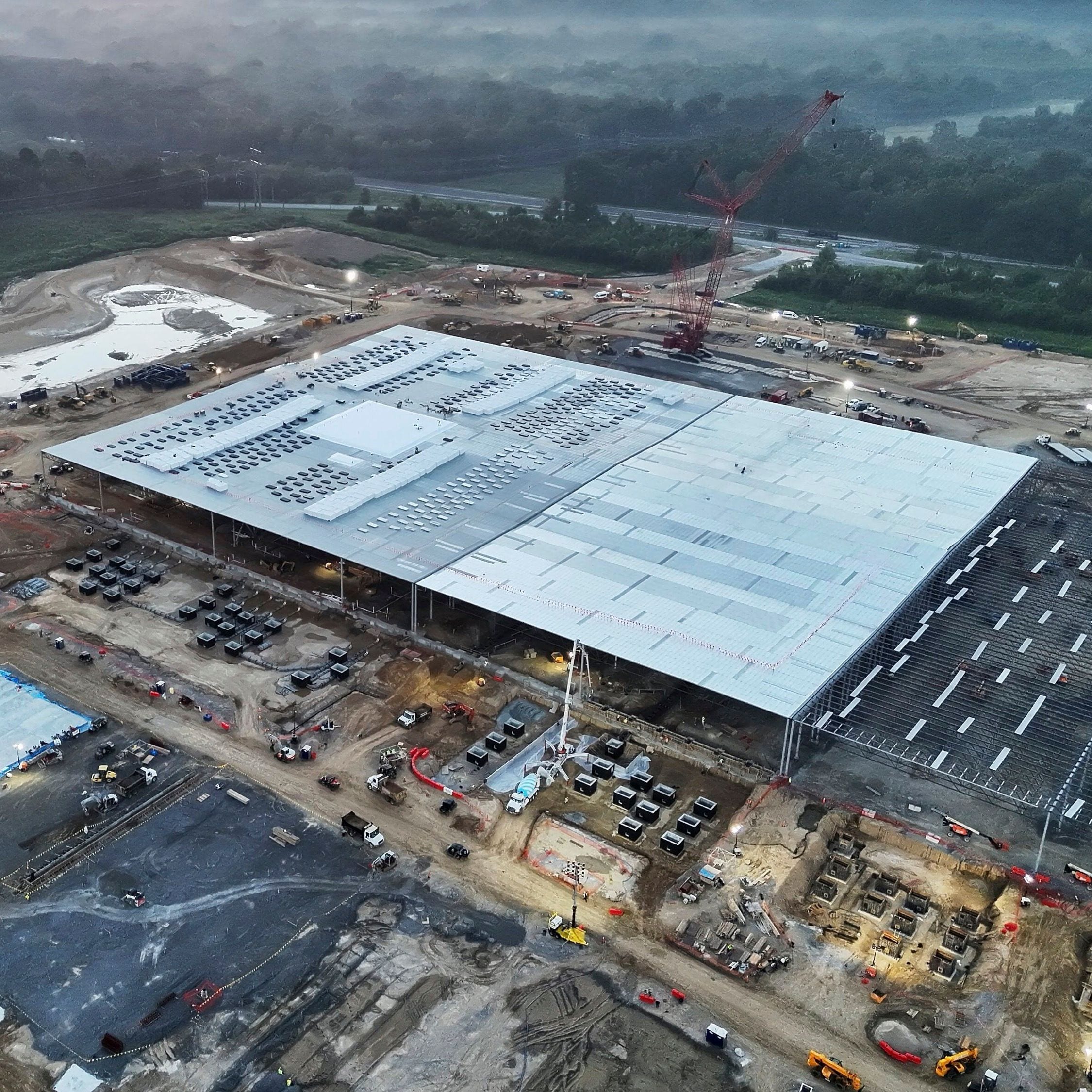
DHL's own release calls the constraints "temporary" 2, and it is spending as if it believes that. The group lifted this year's investment plan to €3.6 billion 2, and this week broke ground on a €55 million cargo center at Stockholm Arlanda, its third Nordic-Baltic gateway in the build 6. FedEx moved a freighter from its express network into its cargo network last year to chase the same freight 7.
DHL's Nordic gateways add the sort capacity that ends its own queue
Data
| Value | |
|---|---|
| Helsinki (2025) | €100m |
| Stockholm Arlanda (2028) | €55m |
| Tallinn (2024) | €24m |
The durable half of the story is mix, not scarcity. DHL Express sells a Heavy Weight Express product for pieces up to 1,000 kg, and Time Definite International daily weight is up 9.7% 1. FedEx launched a dedicated aerospace transport product 7, and DHL Group now names Data Center Logistics a growth initiative, with new warehouses in North America and Asia-Pacific 2.
The €100 million does not deserve the margin
The volume shift earns its reward: express networks are the part of the physical AI buildout that already works, and the operator that turns a sold-out market into guaranteed uplift deserves the margin. The €100 million does not.
It is the price of somebody else's missing capacity, and it clears with the queue, in either direction: new freighter lift, or gateways like Arlanda sorting 6,000 shipments an hour from 2028 6. The fourth-quarter bridge is the test. If the overflow repeats while AI goods still drive three-quarters of trade growth, DHL Express is the toll road on the AI buildout, and both Deutsche Post DHL (Xetra: DHL) and FedEx (NYSE: FDX) collect. If it vanishes, the glut has arrived and the run-rate was never real.
Get Data Center by email, free
Who is building AI's data centers, and who is paying for them. In our daily email, every weekday.


Reader comments
0 comments