DOE offers Constellation $5 billion to add 1.1 gigawatts already sold to Google, Amazon and Meta
The Department of Energy has conditionally committed up to $5 billion to Constellation for reactor upgrades whose output is largely already contracted to Google, Amazon and Meta. Washington picked the right bottleneck; the terms taxpayers get for lending against it are the open question.
 Richard Tang · 2 min read
Washington picked the right bottleneck
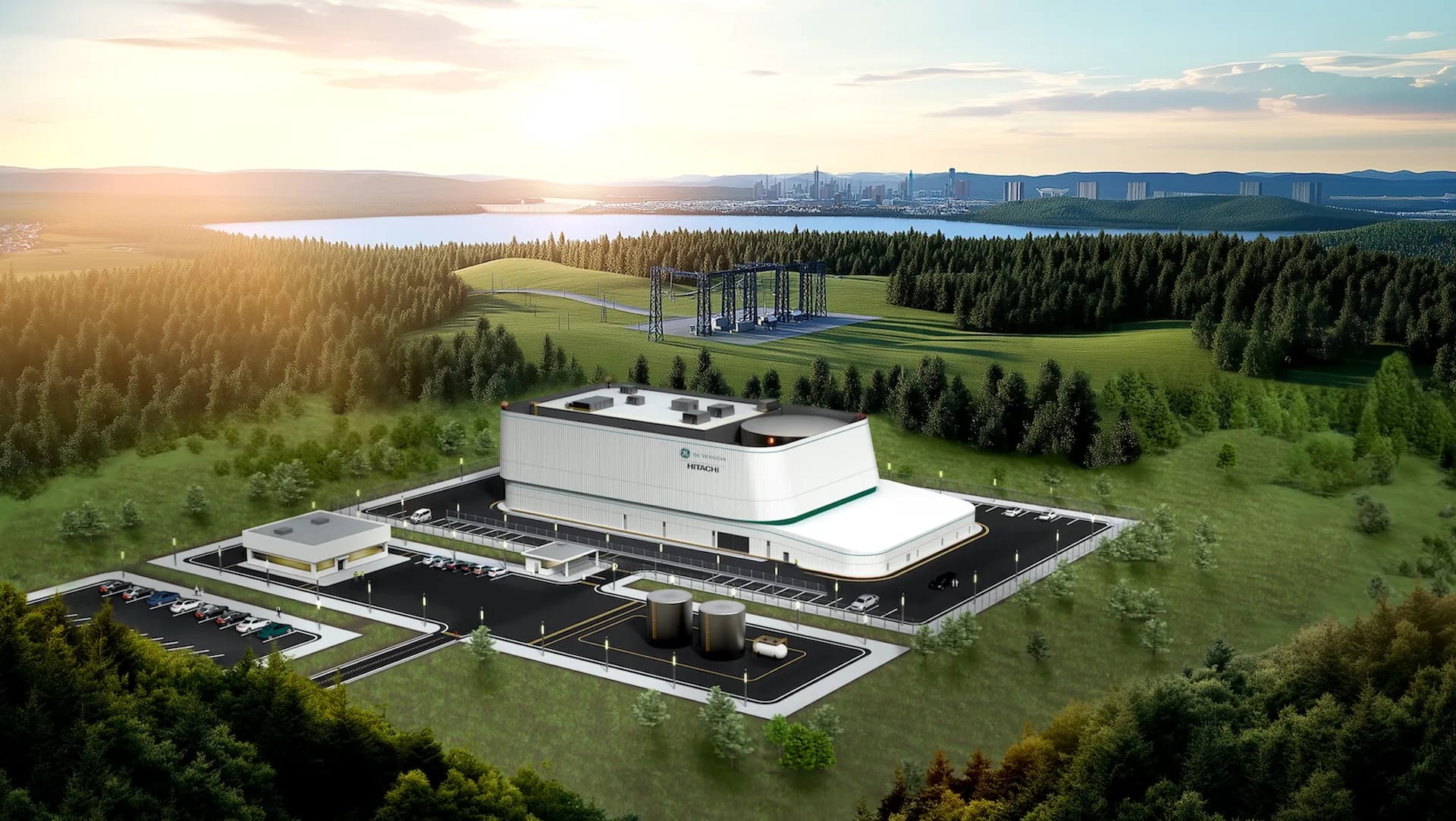
On October 27 the Department of Energy conditionally committed up to $5 billion to Constellation+2.78% — Constellation, up 2.78 percent today, the biggest US nuclear operator, to squeeze nearly 1.1 extra gigawatts from eight existing plants in Illinois, Maryland and Pennsylvania 12.
That is the correct link in the AI power chain to press: a new reactor takes a decade or more to permit and build, while new turbines, steam generators and digital controls at plants already running put firm power on the grid years sooner, with the first Google-backed megawatts scheduled for 2028 16. What the announcement quietly confirms is that the output is already sold.
Twenty-year contracts with Google+1.58% — Google, up 1.58 percent today and Amazon+1.97% — Amazon, up 1.97 percent today underpin more than $7 billion of investment for about 1,080 megawatts, and Meta−1.73% — Meta, down 1.73 percent today backs a Clinton expansion 2. Google's package spans 11 reactors; Amazon's funds the Calvert Cliffs plant in Maryland and its next 20 years of operation 67.
Washington is not funding the AI power race. It is refinancing it.
The cheaper money is earned in the outage
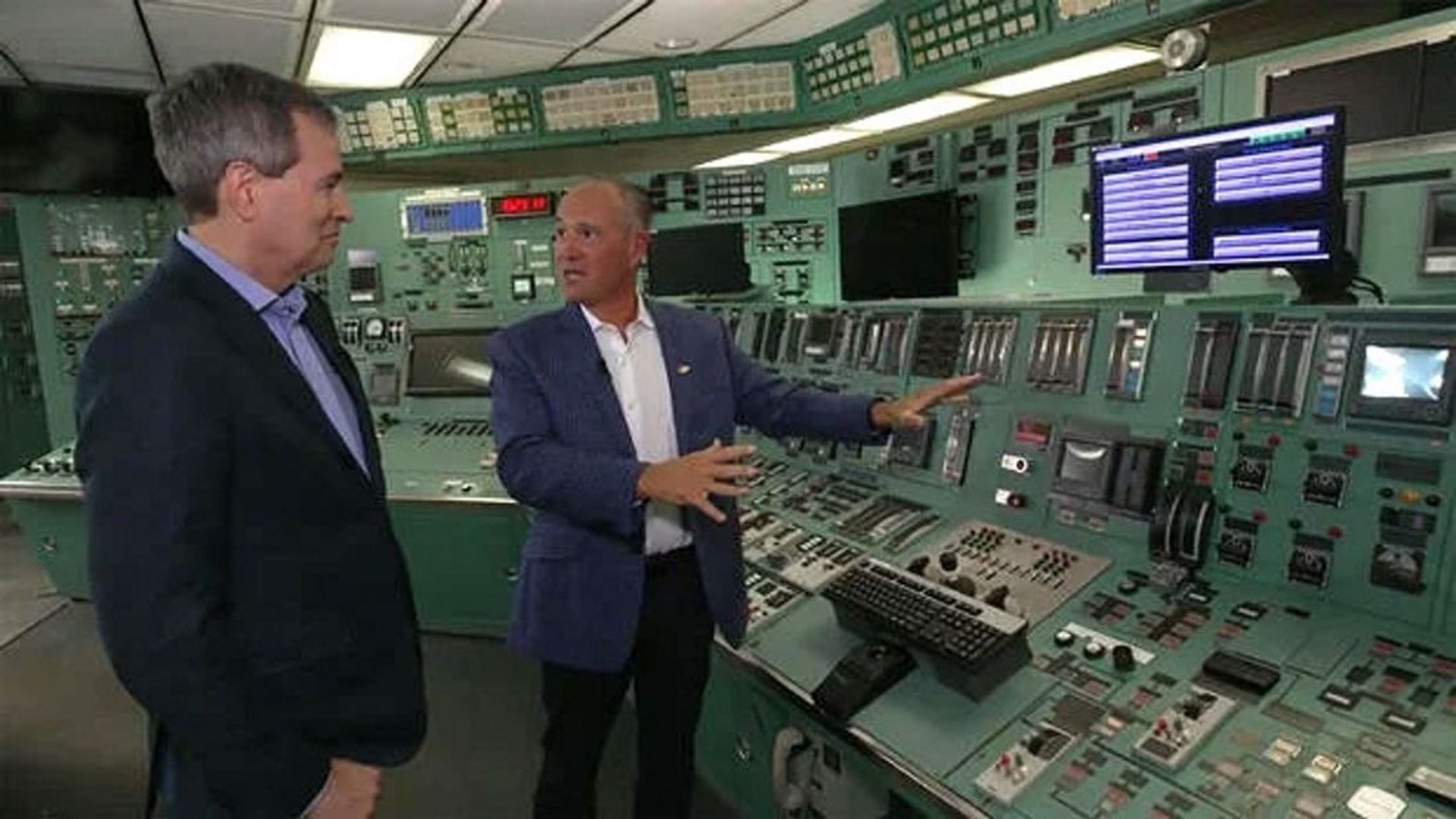
The work being accelerated is unglamorous: engineering studies, a dozen Nuclear Regulatory Commission filings through 2030, and turbine swaps inside refueling outages, more than 10,000 jobs by the department's estimate 45. This is the gap between AI's appetite for around-the-clock power and electricity actually delivered, and Constellation is the company doing that work, so cheaper federal capital is a reasonable reward 2.
One point in the public's favor: the new capacity lands on the regional grid, not behind a data-center fence, which is why the department frames the upgrades as reliability for everyone 67.
The open question is the terms, not the megawatts
Nothing is closed. The commitment must still survive due diligence and definitive financing documents, and it does not commit Constellation to any individual upgrade 24. The market is not convinced either: the stock is down nearly 30 percent this year, and retail sentiment is bearish 3. This is the second giant uprate offer this month, after Vistra's+3.40% — Vistra, up 3.40 percent today; neither is final 4.
Washington's biggest uprate check yet goes to Constellation
- Estimate
Data
| Value | |
|---|---|
| Crane restart, Nov 2025 | $1B |
| Vistra uprates, Oct 2026 (estimate) | $4.2B |
| Constellation uprates, Oct 2026 (estimate) | $5B |
If the loan closes, the economics of upgrades that are already contracted improve; if it dies in diligence, the stock carries the AI-power discount alone. The objection worth answering: the buyers that signed the 20-year contracts could carry this risk themselves, so the public should see what its money earns for doing it instead. When diligence closes, read the terms. That is where this chain now binds.
Get Power by email, free
How AI's hunger for electricity moves utilities, power plants and the grid. In our daily email, every weekday.