DTE asks Michigan regulators for $6.4 billion in gas; Sierra Club says AI data centers drive it
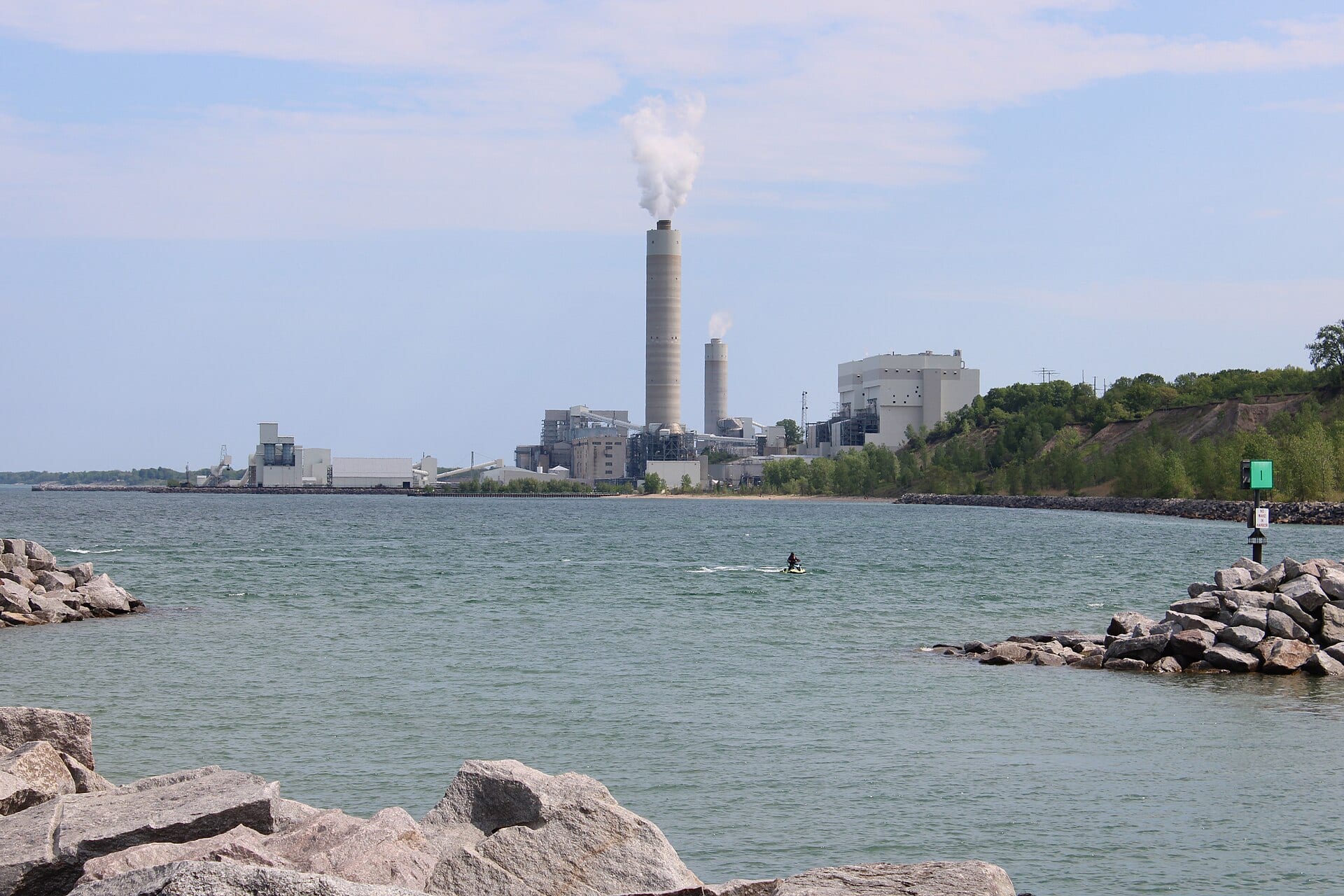
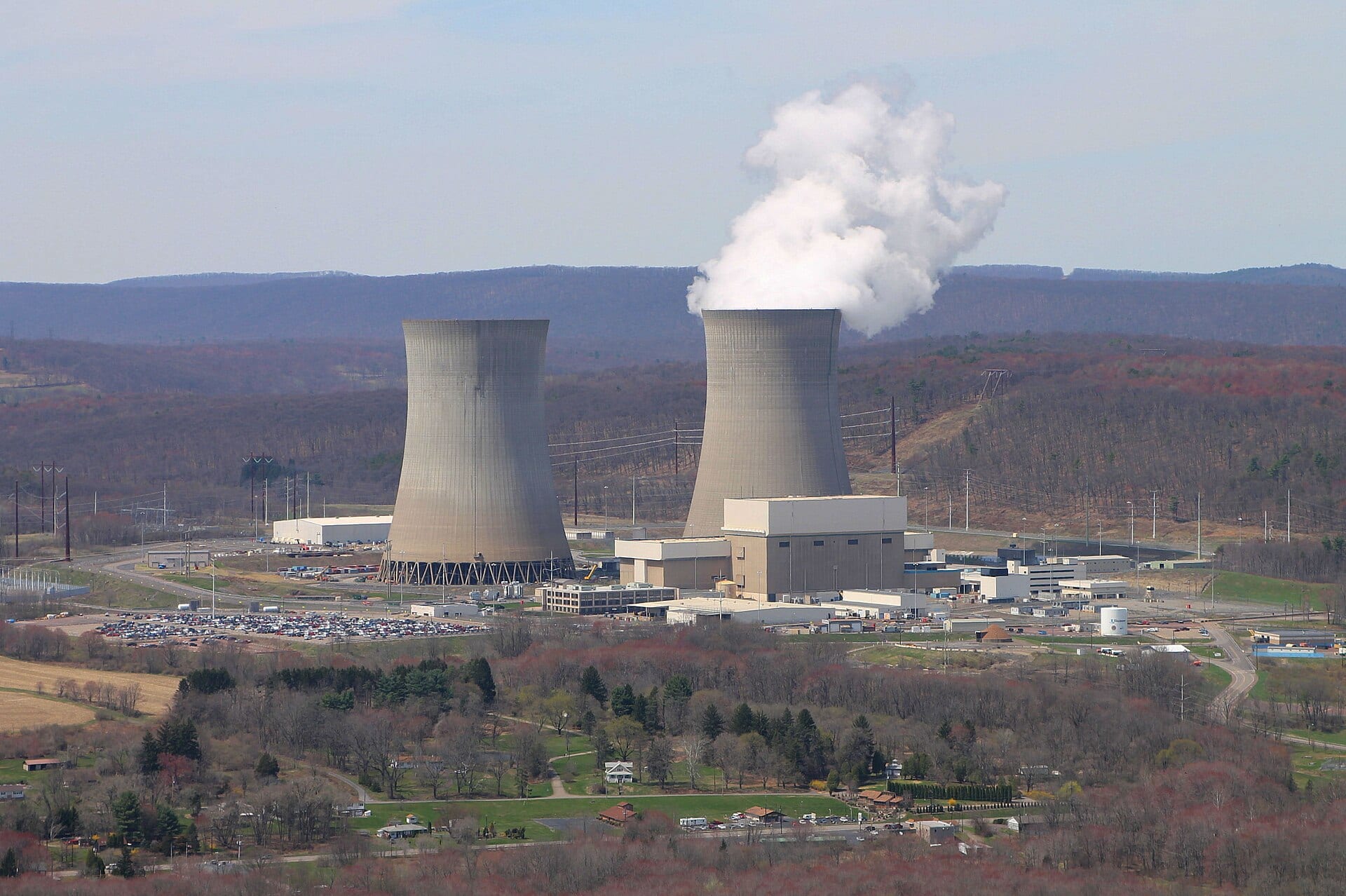
DTE's 20-year plan asks for 2.1 gigawatts of gas at an estimated $6.4 billion, more than double what its 2023 coal-retirement deal called for, and Earthjustice says data centers drive the gap. The commission already wrote a make-Google-pay template; whether it applies it to the gas plants decides who earns and who pays.
 Richard Tang · 3 min read
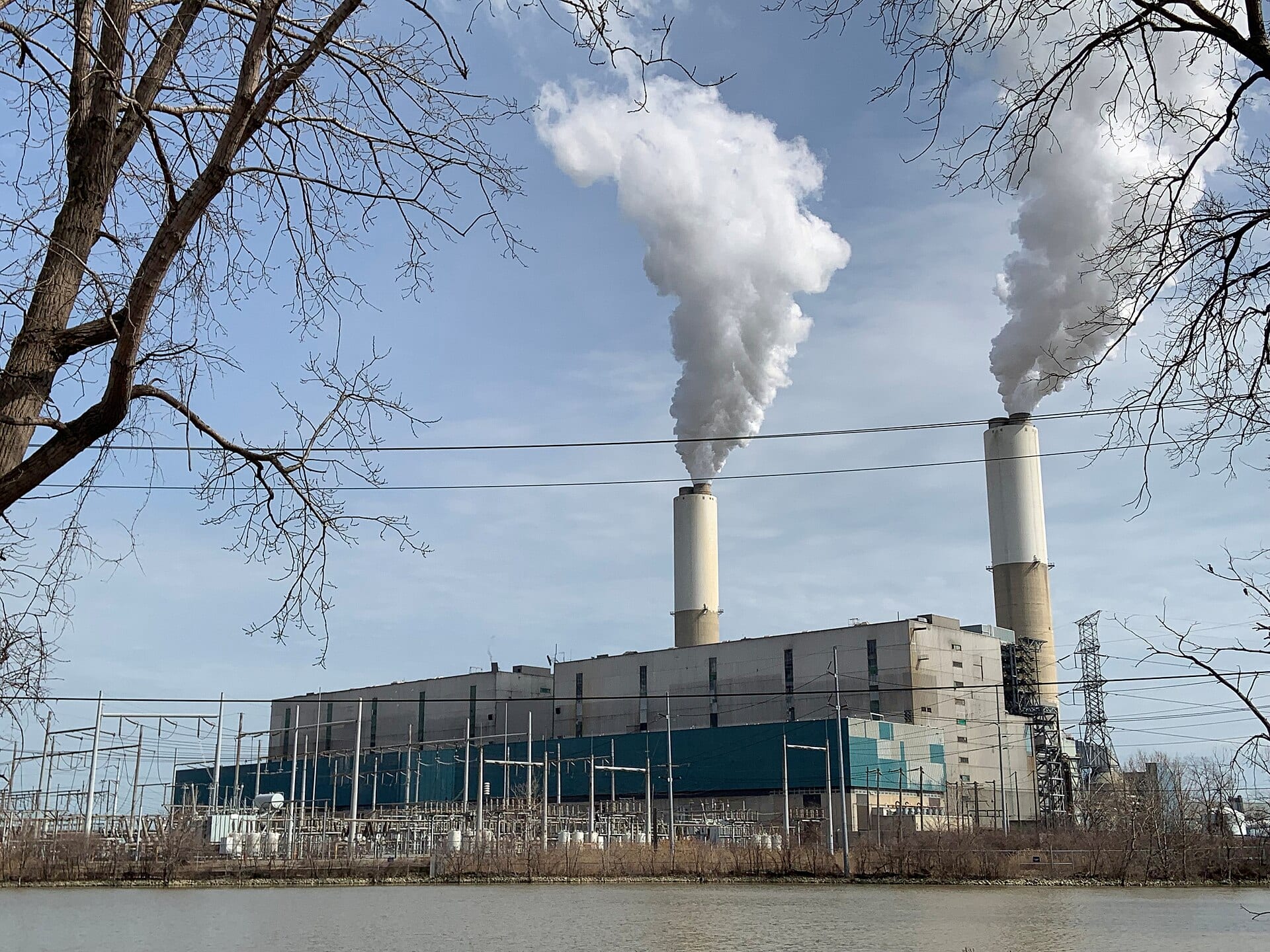
DTE Energy+1.06% — DTE Energy, up 1.06 percent today wants Michigan regulators to approve $6.4 billion in new gas plants, and its own old filings are the best evidence the build is for AI data centers rather than for the households who would otherwise pay for it. The commission's own Google ruling shows it knows how to make the tech giants pay. Which template wins is the decision that moves DTE's stock.
The arithmetic is the receipt
When DTE agreed in 2023 to retire its last coal plant, it told regulators it needed roughly 940 megawatts of new gas over the long term. Its plan filed on September 24 asks for 2.1 gigawatts, more than double that, and Earthjustice, representing the Sierra Club, says the vast majority of the increase is attributable to data centers.
The company has contracted Google−2.22% — Google, down 2.22 percent today and Oracle−1.61% — Oracle, down 1.61 percent today for a combined 2.4 gigawatts, could reach about 6 gigawatts by year-end, and its grid peaks above 9.5 gigawatts on 11 gigawatts of capacity 146. DTE says no single industry drives the plan; its filing summary barely mentions data centers at all 146.
DTE's data-center pipeline could reach 6 GW, more than half its 9.5 GW grid peak
- Estimate
Data
| Value | |
|---|---|
| Data centers contracted (Google, Oracle) | 2.4 GW |
| Data-center pipeline by year-end (estimate) | 6 GW |
| Grid peak demand | 9.5 GW |
| Total generation capacity | 11 GW |
The who-pays template already exists
On October 1 the Michigan Public Service Commission conditionally approved DTE's contracts to power Google's 1-gigawatt Van Buren Township project with terms meant to keep the costs off other customers: Google pays for 80% of its contracted power whether or not it uses it, owes a termination fee of up to $2.5 billion if it walks, and DTE must commit that Google's payments cover all data-center costs.
That is the standard Sierra Club wants extended to the gas plants, and its case has a threat worth naming: Oracle is rated BBB-, a notch above junk, so a bankrupt anchor tenant would leave a $6.4 billion plant on residential bills 56.
For investors, the fight is the stock
DTE's quarterly revenue has climbed as data-center demand builds
Data
| Revenue | |
|---|---|
| Q3 '24 | $2.91B |
| Q4 '24 | $3.44B |
| Q1 '25 | $4.44B |
| Q2 '25 | $3.42B |
| Q3 '25 | $3.53B |
| Q4 '25 | $4.43B |
| Q1 '26 | $5.14B |
| Q2 '26 | $3.37B |
DTE's revenue case rests on earning regulated returns on the build, and the average analyst target slipped to $147.82 this week, implying about 14% upside on a Buy consensus of 13 buys and 8 holds. That spread prices in the build happening and someone paying for it.
If the commission applies its Google template to the gas plants, hyperscalers carry the cost and the returns stay intact; if who-pays waits for later rate cases, residential customers carry it and the political risk compounds. We have covered the Google deal's template before; what is new is the Guardian putting the $6.4 billion fight on front pages and the targets sliding in the same week 231.
The chain from AI to household bills runs exactly through this case: model demand becomes data-center contracts, contracts become utility buildouts, buildouts become regulated returns, and returns become a line on 2.3 million Michigan bills unless a regulator writes the exception. The MPSC has 300 days for a preliminary decision. Start learning how regulated-utility cost allocation works now; it is becoming the decisive skill in AI infrastructure investing, and the people who can read a filing like DTE's 2023 agreement are the ones pricing this correctly.
Get Power by email, free
How AI's hunger for electricity moves utilities, power plants and the grid. In our daily email, every weekday.