FCC approves SpaceX request for up to 1 million satellites for orbital data centers
The first US authorization for a space-based AI compute constellation turns a contested proposal into an approved system with spectrum rights, and sets the template for rival orbital data-center filings.
 Richard Tangthree-minute read
Drafted with AI from the documents listed under Sources, then edited and fact-checked by Richard Tang. How we work
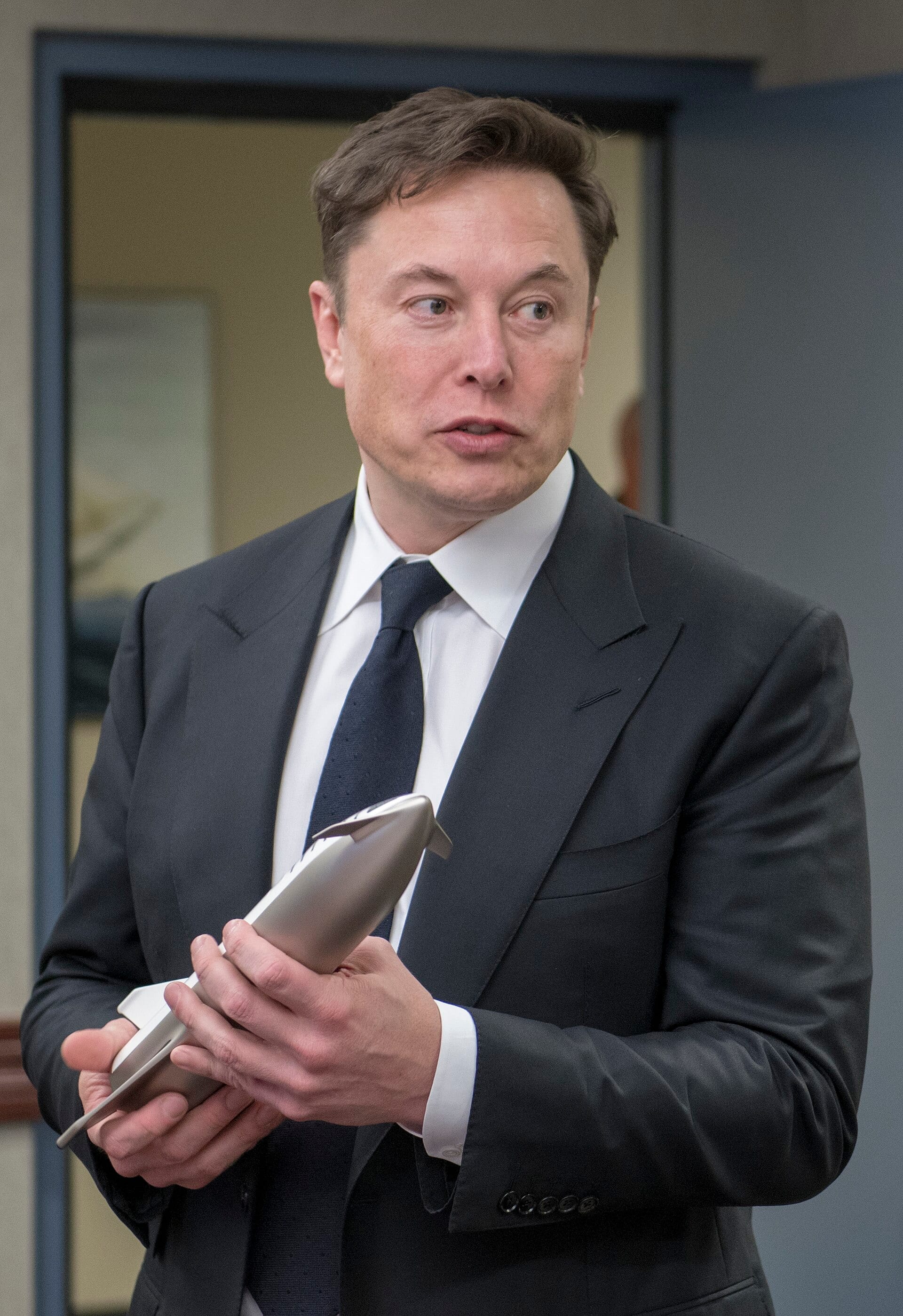
The Federal Communications Commission on 25 November 2026 granted SpaceX−1.54% — SpaceX, down 1.54 percent today the first authorization in US history for a constellation of data centers in space: up to 1 million "orbital compute modules" it calls Starmind, which would process data in orbit on solar power and send the results back to Earth for AI work 56. Chairman Brendan Carr announced the grant on X, calling it "a historic first" that would use solar power to "extend America's lead in Super Intelligence" 1.
The authorization covers the full scale, with debris rules attached
The FCC's own release says the full scale is authorized up front, and that the system "operates consistent with the FCC's orbital debris rules," the requirement that typically anchors a grant of this size. It also spells out the plumbing: radiofrequency backup links for telemetry, tracking and command, plus 18.8–19.3 GHz downlink and 28.6–29.1 GHz uplink bands supplementing optical inter-satellite links 5. SpaceX filed the application in January 2026, seeking to sidestep terrestrial grid constraints and land-use bottlenecks that now cap AI data-center buildouts on the ground; it submitted a formal re-entry and collision-risk analysis in September 7.
The order is a template for rivals
The grant matters for three reasons. First, it converts a contested proposal into an approved system with spectrum rights, before any satellite flies. Second, the FCC says it is reviewing other orbital data-center proposals and will decide each "expeditiously" 5, so this order is the template: industry observers expect rivals including Amazon−2.92% — Amazon, down 2.92 percent today Leo, Google's Suncatcher and AST SpaceMobile+10.06% — AST SpaceMobile, up 10.06 percent today to follow.
Third, it moves the AI compute buildout's next frontier into orbit, where the constraint is launch and manufacturing capacity rather than the electrical grid. One analyst following the project sizes the initial satellite scope at roughly 250 GW of compute, an unverified estimate that conveys the scale the filing implies 4.
Emissions are unmeasured, and nothing here is a schedule
The environmental debate is live: researchers have modeled up to 150-fold increases in launch and re-entry emissions at this scale, while noting that such worst-case modeling is unproven and upper-atmospheric measurements are still missing 7. And none of this implies revenue, launches or a schedule: the authorization is a regulatory event.
SpaceX is private, so there is no direct equity to own; the read-across runs to listed satellite and spectrum holders (AST SpaceMobile, EchoStar−0.53% — EchoStar, down 0.53 percent today, Globalstar, Iridium), launch and ground-station suppliers, and the ground-side data-center equipment chain (Vertiv−1.31% — Vertiv, down 1.31 percent today, Eaton−1.19% — Eaton, down 1.19 percent today, Schneider−4.18% — Schneider, down 4.18 percent today), whose long-term case now has a new, orbital competitor. The chain is long, the first satellite has not launched, and this is where observation ends and projection begins. But the regulatory gate, historically the slowest link, just opened.
Sources
- 1X post by @BrendanCarrFCC (Brendan Carr), 25 November 2026
- 4X post by @aaronburnett, 25 November 2026
- 5Light Reading, FCC greenlights SpaceX plan to deploy up to 1M AI satellites (with FCC release text), 25 November 2026
- 6Reuters, US authorizes SpaceX to deploy 1 million satellites for data centers in space, 25 November 2026
- 7SatNews, Scientists and Regulators Weigh 150x Emission Claims Around SpaceX's One-Million-Satellite Data Center Proposal, 22 November 2026
Get Data Center by email, free
Who is building AI's data centers, and who is paying for them. In our daily email, every weekday.

Reader comments
0 comments