Forbes says Edwin Chen is worth $18 billion. No one has ever priced Surge AI.
Forbes' 2026 list values Edwin Chen's 75% of Surge AI at $18 billion, implying the bootstrapped data-labeler is worth about $24 billion. Rival marks at Scale AI and Mercor were set by cash; Surge's traces to funding talks that never closed.
 Vincent Jiang · 3 min read

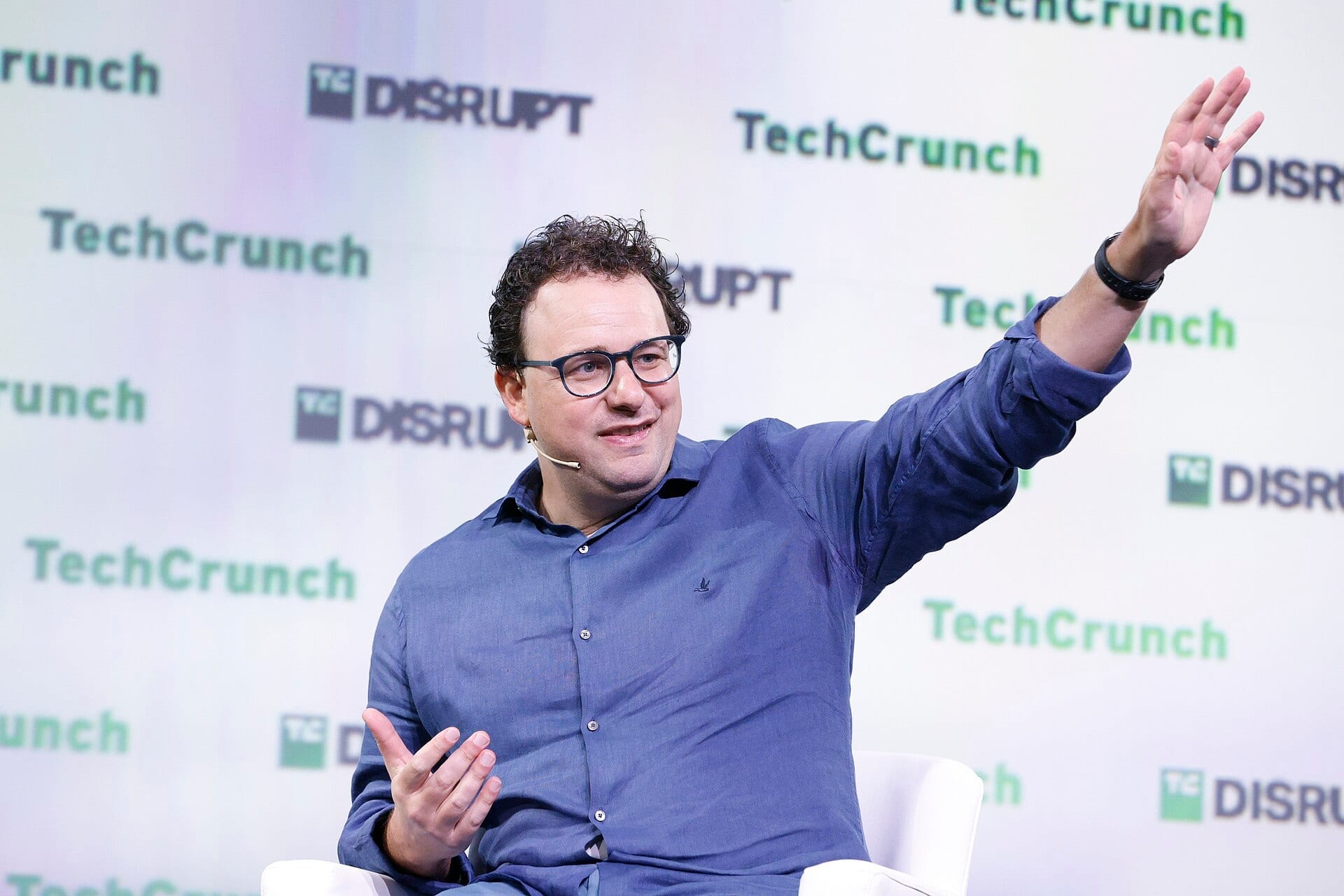
Edwin Chen, 38, grew up in a Florida town of 3,400 people, where his Taiwanese immigrant parents ran a Chinese-Thai restaurant 12. He founded Surge AI$1B — Surge AI, private, latest valuation $1B in 2020 after stints at Google and Twitter; the company pays specialists to label data and grade AI answers for customers including Google−0.31% — Google, down 0.31 percent today and Anthropic$350B — Anthropic, private, latest valuation $350B 12. Forbes' 2026 ranking of the 400 richest Americans, struck on September 4, puts him at $18 billion 1, a number this month's write-ups repeat as settled fact 2.
The $18 billion came from a list, not a market
Forbes estimates Chen owns about 75% of Surge and that revenue passed $1 billion a year without a dollar of venture capital 1. Divide the stake by the ownership and the company is worth about $24 billion 1.
The nearest market signal is a $25 billion valuation from funding talks reported in July 2025, alongside a plan to raise up to $1 billion of first outside money 3. A review of the sector's fortunes in early October found no funding news at Surge since 4. The mark therefore rests on a company with no outside shareholders, no tender and no secondary sale.
Cash printed every rival's number
Meta−0.06% — Meta, down 0.06 percent today paid $14.3 billion for 49% of Scale AI$29B — Scale AI, private, latest valuation $29B in June 2025, a whole-company price above $29 billion, and took founder Alexandr Wang to run its Superintelligence Labs 35. Mercor~$2B — Mercor, private, latest valuation ~$2B, which pays its expert network more than $1.5 million a day 3, raised $350 million at a $10 billion valuation last October, passed $2 billion of annualized gross revenue by June and entered talks at $20 billion in July 5. Its $614 million of first-half revenue came about 91% from the model labs themselves 6.
Two expert-data valuations were paid in cash. Surge's was only talked about.
- Estimate
Data
| Value | |
|---|---|
| Scale AI | $29B |
| Surge AI (estimate) | $25B |
| Mercor | $10B |
The labs are buying records instead of hours
On October 9, micro1, financed by Citi+0.95% — Citi, up 0.95 percent today and Hercules Capital, committed $1 billion over 12 months to buying company work records, paying $100,000 to $2 million for a midsize firm's data and converting it into training environments 78. A court-appointed privacy official in Spirit Airlines' bankruptcy has backed Google's $10 million purchase of the defunct carrier's records 7; Google was also reported to have planned about $200 million a year in payments to Scale 6.
If records replace billed expert hours, Meta's 49% of Scale, the sector's only cash-printed mark, carries the repricing risk, while labs sitting on their own work-product hold the cheaper input.
The counter-case says Chen's number is conservative: an undiluted 75% of a profitable business already past $1 billion of revenue 13. Wang, whose company Meta valued above $29 billion, is worth $3.2 billion 1.
Three prints would settle it
Watch for a closed Surge round, for Anthropic's confidentially filed listing 1, a direct read on the training budgets of Surge's customer, and for OpenAI$500B — OpenAI, private, latest valuation $500B, where secondaries have reportedly traded about 44% below the March primary 4. Until a check clears, Surge AI is worth exactly what a magazine says it is.
Get Model by email, free
The AI labs, their models, and the business behind them. In our daily email, every weekday.