Ford ships its first CATL-licensed cells; Treasury rules decide who copies the deal
Ford owns the Michigan factory; CATL licenses the chemistry and takes an undisclosed royalty on every cell. Treasury's pending rules on the federal battery credit decide whether other US carmakers can copy the deal, and whether licensing becomes a real line in CATL's results.
 Vincent Jiangthree-minute read
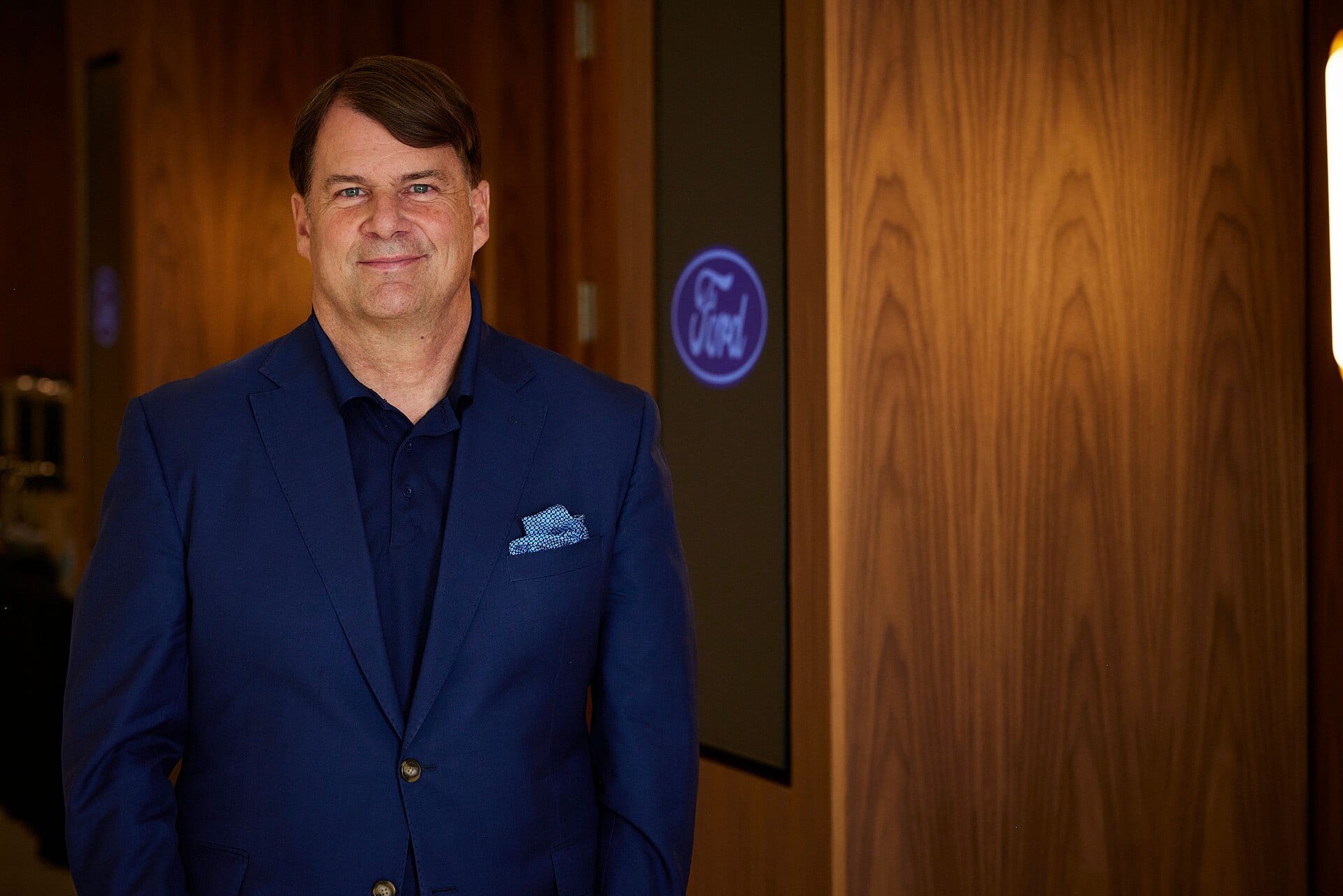
Production began in October, at half the planned size
Ford−0.53% — Ford, down 0.53 percent today has been making lithium-iron-phosphate cells at its BlueOval Battery Park in Marshall, Michigan since October, and the first cells are already moving to Louisville, Kentucky, for prototypes of the Fathom electric pickup, due in late 2027 at $28,350, the cheapest electric Ford yet 13. That makes Ford the first US automaker to ship domestically made LFP cells for mainstream consumer cars 3.
The $3 billion, two-million-square-foot plant targets 40 cells a minute and 20 gigawatt-hours a year, half the 40 GWh ceiling of the original plan, trimmed after the EV pullback 2. Governor Gretchen Whitmer toured Marshall on November 18 and put the local gain at 1,700 jobs 3.
CATL supplies the recipe, Ford owns the factory
The structure is the story. CATL−2.67% — CATL, down 2.67 percent today supplied the chemistry, the equipment and the training, and collects an undisclosed percentage royalty on every cell, but holds no equity in Marshall and sells no cells into it 3. CATL's way into America is a license, not a sale.
Alan Clarke, Ford's vice president of advanced development projects, called CATL "the best supplier" to learn LFP production from 1. Transportation Secretary Sean Duffy wrote to chief executive Jim Farley on September 8 that his department "remains deeply alarmed" by the licensed technology; Ford shares fell as much as 5.1% that day, and the company called the letter a "wrongheaded attempt to capture headlines" 41.
The tax credit decides whether the template travels
The money question is the federal battery manufacturing credit. The prohibited-foreign-entity rules in the 2025 One Big Beautiful Bill Act can deny the Section 45X credit to a manufacturer that pays a specified foreign entity under an arrangement granting it "effective control" over component production, and the statute's 13 control factors point at IP licensing in particular 5. CATL has sat on the Pentagon's Chinese Military Company list since January 2025, one route to that status, and denies any military ties 6.
Ford argues the license complies because it, not CATL, makes the cells, and says it still expects the credit 61. Treasury's proposed rules, due by the end of the year, settle it 5.
Licensing is the line to watch in CATL's results
CATL still makes four in ten China EV batteries; BYD is the nearest rival at 21%
CATL's China lead has narrowed against BYD for five straight months
Data
| Value | |
|---|---|
| CATL | 40% |
| BYD | 21.36% |
| CALB | 8.64% |
| Gotion High-tech | 6.05% |
| Eve Energy | 5.54% |
For CATL shareholders, Marshall is a precedent more than a payout: no royalty rate is disclosed and the fee is small next to cell sales 3. The company needs new lines. Its share of China's battery market slipped to 40.00% in October, with BYD closing in for a fifth straight month 7, and the stock sits more than 50% below its June peak, a slide The Inference tracked in October.
Chairman Robin Zeng was in Shenzhen this week pitching data-center power as the next growth engine 8. Watch the licensing line in CATL's results, and the Treasury ruling that decides whether the next American carmaker signs the same deal.
Get Policy & Labor by email, free
The rules governments write for AI, and what AI does to jobs. In our daily email, every weekday.
Reader comments
0 comments