Garmin reopens its developer API and charges $1,000 to enterprise users from April 1, 2027
Garmin handed outside apps the microphone, speaker and LTE radio across more than twenty watch models on October 21, and reopened its cloud API in three tiers, with paid enterprise access from April 1, 2027. Together the two moves turn a developer program that AI-built applications had swamped into a priced business line, six days before third-quarter results test a raised forecast.
 Richard Tangfour-minute read
The bottleneck was the closed platform
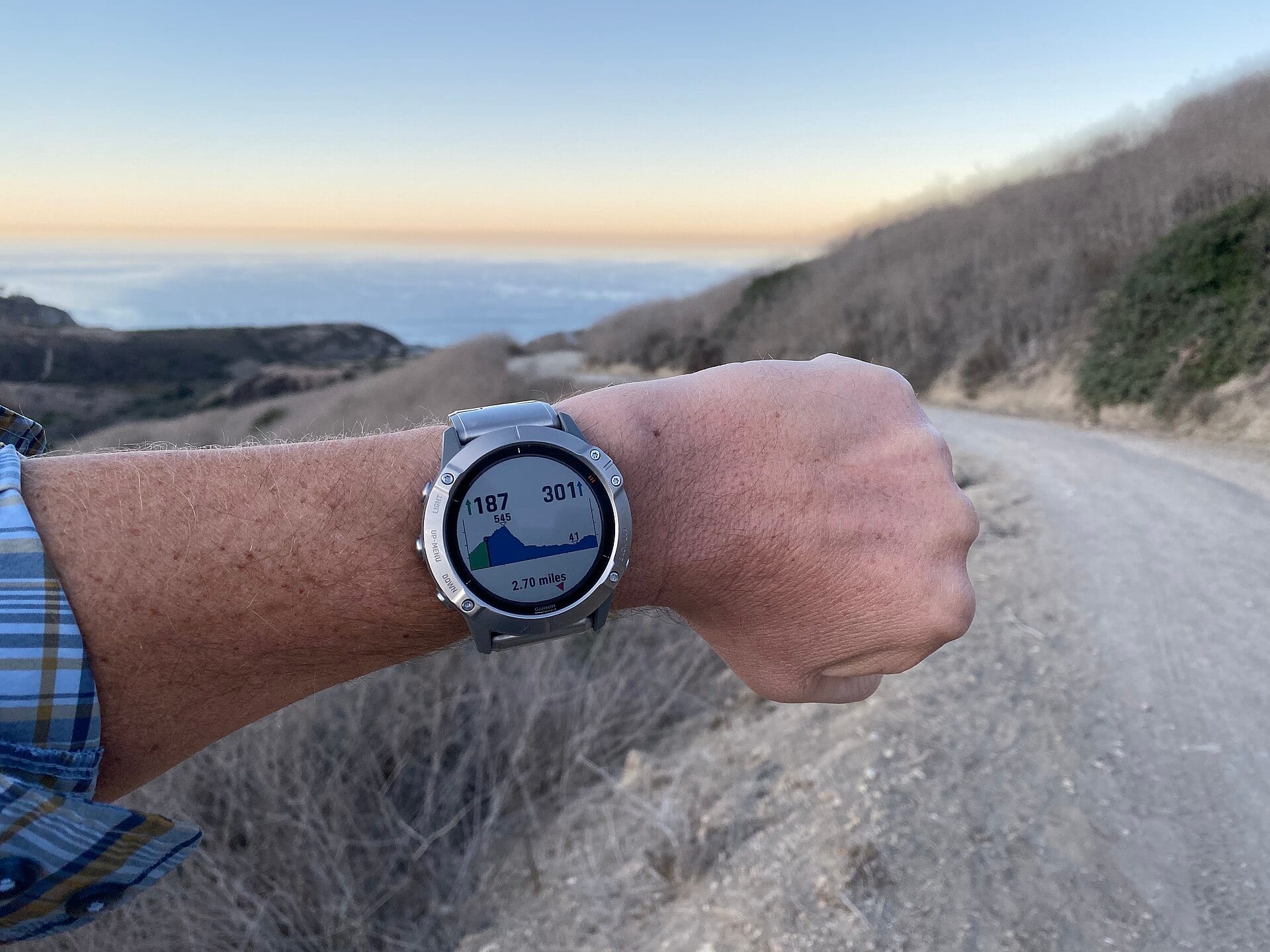
Garmin+0.12% — Garmin, up 0.12 percent as of its last quote made its watches more valuable this week without shipping new hardware. On October 21 it posted Connect IQ SDK 9.3.0, the toolkit outsiders use to build apps for its watches, and for the first time its documented APIs let a third-party app record from the microphone, play sound through the speaker, and switch on the LTE radio 1.
More than twenty models get the audio tools, including the fēnix 8 and 9 lines, and not every listed watch has a microphone or speaker 1. The same day, Garmin reopened the Connect API, the cloud service Strava and TrainingPeaks build on, after freezing new applicants since March 2. Garmin's closed platform, not its hardware, was what held the watches back.
Third-party apps can now listen, talk and leave the phone behind
The microphone records raw or compressed audio with noise and echo cancellation, and hands the app chunks while you are still talking 1. The speaker plays a sound file bundled into the app, or a stream the app feeds it piece by piece 1. An app can switch on the LTE radio itself, and that link drops when the app closes or sits idle for five minutes 1.
Two limits are worth naming: Garmin has not documented web requests over an app-opened LTE link, and there is no text-to-speech, so a talking app has to bring its own audio 1. Nothing reaches a wrist until developers ship, and watch faces are excluded 1. The store they ship into is widely called clunky and crowded with low-effort AI-built apps 3. On a shelf of low-effort entries, the first app that uses the new microphone or speaker well is easy to notice.
AI flooded the old gate, so Garmin rebuilt it in tiers
The freeze is the telling half of the story. AI code generators took Garmin's API intake from a handful of applications a week to a daily flood, and fewer than half of the applicants Garmin approved ever used their access 2. The old process treated every applicant, hobbyist or company, as an enterprise, and approvals ran to weeks or months 2.
The reopened program answers scale with tiers: a personal key generated in seconds for your own data, free startup access capped at 1,000 users, and paid enterprise above that cap 2. DC Rainmaker, the fitness-technology review site behind source 2, calls the personal tier an MCP level of access in all but name; MCP, the Model Context Protocol, is the standard AI assistants use to pull data from a service 2.
| Tier | Access | Cost |
|---|---|---|
| Personal | Your own data | Free, key generated in seconds |
| Startup | New applications | Free up to 1,000 users |
| Enterprise | Platforms above the 1,000-user cap | $1,000 entry fee, credited against per-monthly-active-user charges negotiated company by company, billing from April 1, 2027 |
COROS and Suunto, rival GPS-watch makers, point the same way, COROS with free MCP access for its users and Suunto promising its own 2. For anyone building with AI, a gate that took weeks now takes seconds 2.
The data pipes get a price, and Garmin keeps a layer for itself
Above the cap, platforms pay a $1,000 entry fee, credited against per-monthly-active-user charges negotiated company by company, with billing from April 1, 2027 2. Strava, with roughly 200 million users, is the scale case: every existing partner becomes enterprise automatically, and none pays the entry fee 2. Whoop, the fitness-tracker maker, already charges for detailed data access; Apple−0.65% — Apple, down 0.65 percent today does not 2.
On the data itself, files delivered through the API arrive with fields Garmin considers proprietary stripped out, DC Rainmaker reports, and the missing values include the VO2 max estimate, still present in a file downloaded by hand 24. Outsiders build on the raw recording; the computed layer stays Garmin's.
October 28 tests the raised forecast, not the platform
None of the platform moves shows up in the October 28 report, released before the market open with a call at 10:30 a.m 75. EDT 7, which tests the raised $8.05 billion full-year forecast that fitness growth has to carry 5. This quarter's money still comes from hardware. After the print, the questions are plain: whether revenue clears the $1.99 billion consensus 6, and whether voice and LTE apps, and the first enterprise fees, begin to show up in 2027 guidance.
A $1.99 billion quarter keeps Garmin on its raised forecast
- Revenue
- Estimate
Data
| Revenue | |
|---|---|
| Q3 '24 | $1.59B |
| Q4 '24 | $1.82B |
| Q1 '25 | $1.54B |
| Q2 '25 | $1.82B |
| Q3 '25 | $1.77B |
| Q4 '25 | $2.13B |
| Q1 '26 | $1.75B |
| Q2 '26 | $2.02B |
| Q3 '26E (estimate) | $1.99B |
Get Applications by email, free
How AI is changing the software people and companies use. In our daily email, every weekday.