Google Says Orbital AI Breaks Even in the 2030s. It Is Paying SpaceX to Fly It Thursday.
Four TPUs and a kilowatt of solar power ride SpaceX's Transporter-18 on October 1 in Google's first orbital AI test, paid for by Google. Its own research dates orbital compute's break-even to the mid-2030s, and Alphabet's roughly 6% stake in SpaceX, worth $94.1 billion, makes Google a winner if that forecast proves too slow.
 Vincent Jiang · 3 min read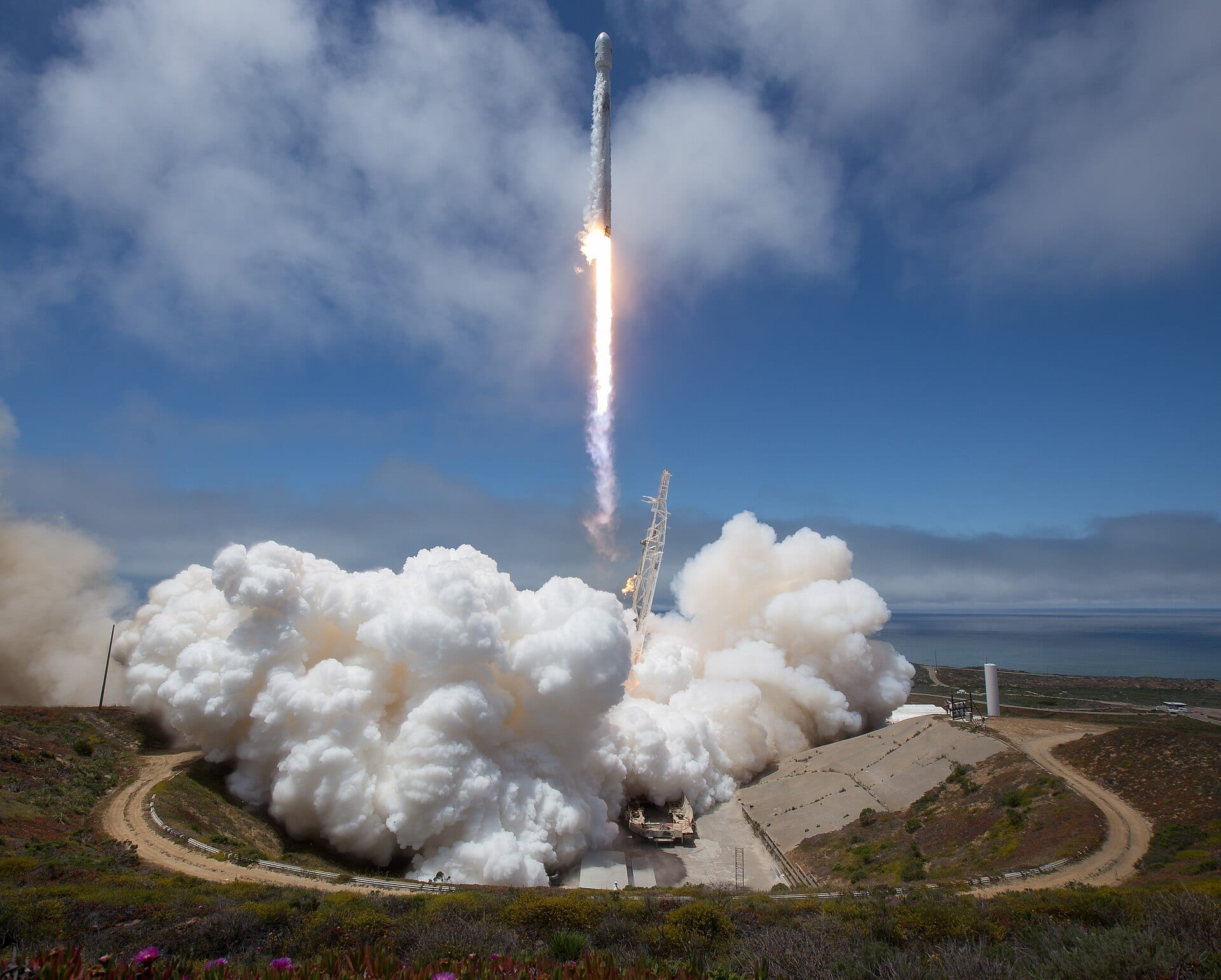
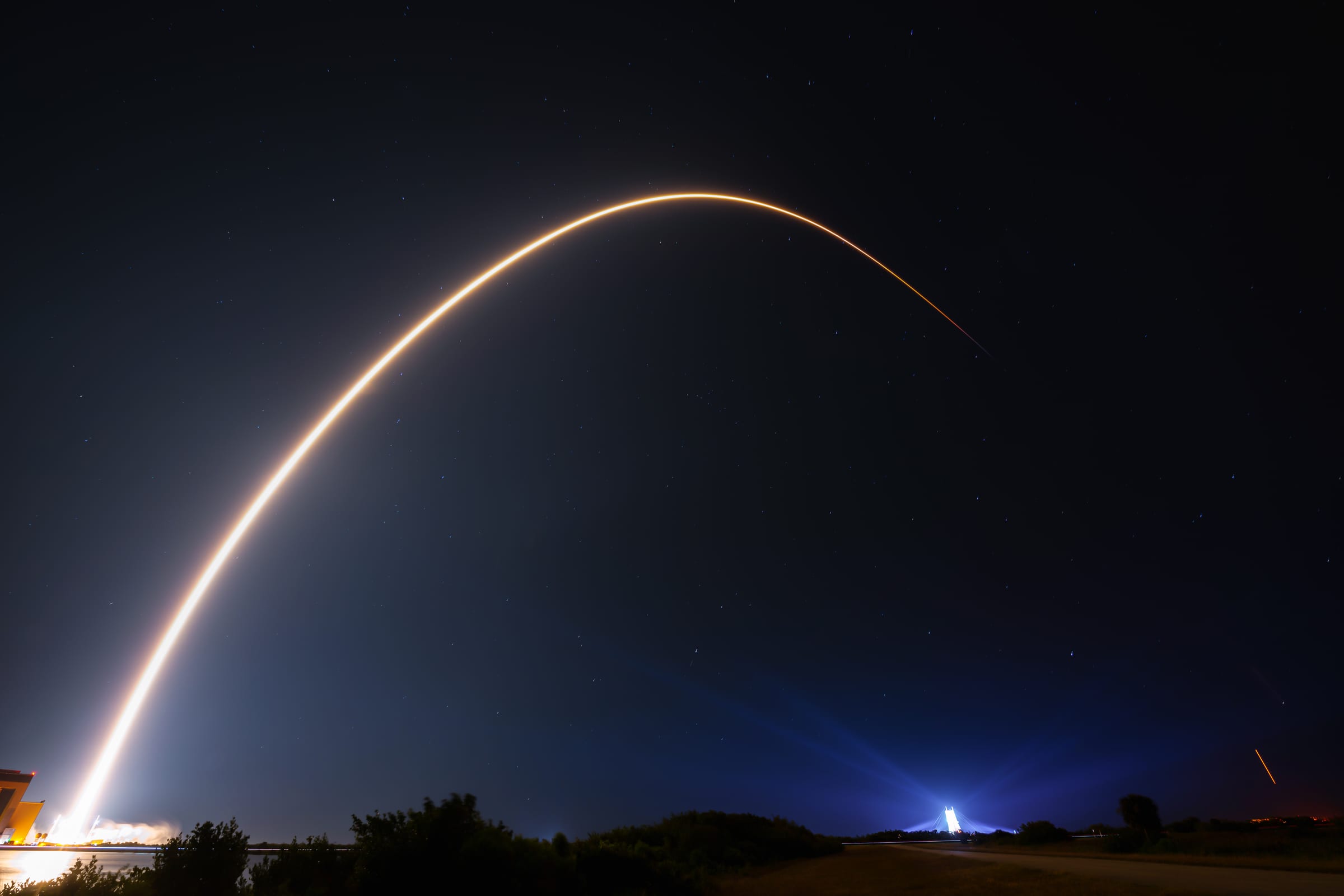
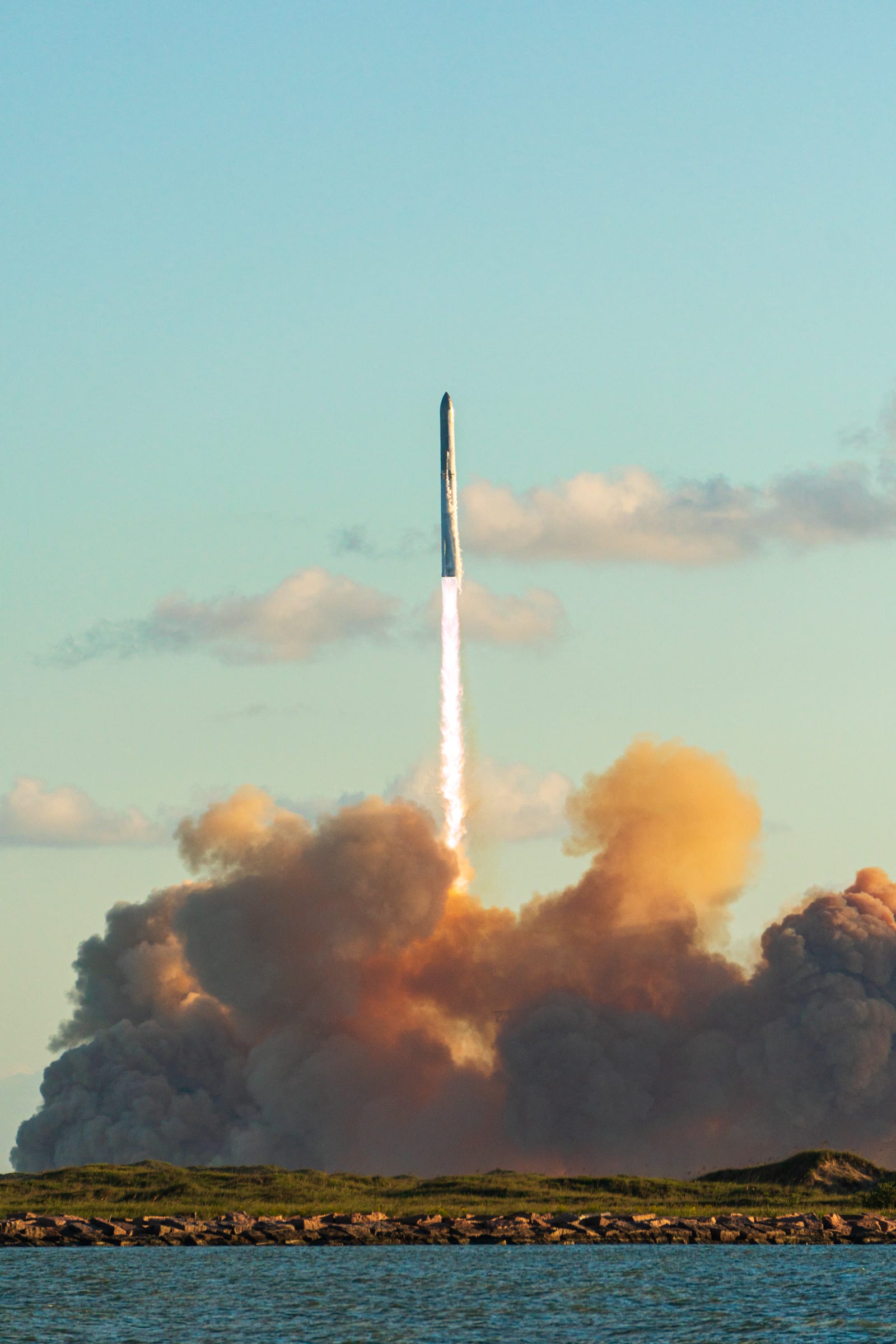
Sundar Pichai framed the experiment as a question: "Can our TPUs survive and operate in space? Well, we're going to find out." 1 If the schedule holds, the answer rides uphill on Thursday, October 1: MVP, a refrigerator-sized satellite carrying four Trillium TPUs and about one kilowatt of solar power, built with Planet Labs and flying on a SpaceX rideshare 23. Gemini runs in bursts of roughly 15 minutes before the chips shut down so radiators can shed heat 2. Prediction markets flagged the booking within hours 4.
Google pays the rocket and owns the rocket company
Google is paying SpaceX to launch the test of its own skepticism 2. Alphabet also holds roughly 6% of SpaceX, a stake its second-quarter filing valued at $94.1 billion: $80 billion eligible for early release sale, $14.1 billion locked through the third quarter of 2027 56. SpaceX raised $85.7 billion in its June 12 listing, and the traded shares carry about $2 trillion of market value 56. The launch invoice is payable whatever the verdict.
Google's own math dates the payoff
Google's research says an orbital data center matches a ground one on energy cost only once launch prices fall below about $200 per kilogram, a threshold it dates to the mid-2030s 25. A Falcon 9 flight today runs some $2,700 per kilogram 7. The company selling that flight promises about 1 gigawatt of space compute a year by the end of 2027, on AI1 satellites designed for 150 kW each, roughly 150 times MVP's draw 28. At 150 kW apiece, that gigawatt means around 6,700 satellites a year, and SpaceX has asked regulators for up to a million 8.
Hardware has receipts, economics do not
MVP's chips arrive pre-tested: vibration runs to sustained 10g loads with components seeing 50 to 100g, and a radiation dose greater than a five-year mission delivers 23. Planet Labs shares closed 7.57% higher on September 24 and rose again premarket, about 10.7% above their September 18 close 9. None of that prices a kilogram.
Google's orbital break-even sits about 13 times below what Falcon 9 charges today
- Estimate
Data
| Value | |
|---|---|
| Falcon 9 today | $2,700/kg |
| Google's break-even line (estimate) | $200/kg |
| Starship projection (estimate) | $100/kg |
Starship is the case against the skeptic
The bigger rocket answers Google's own objection head on: investment bank projections put Starship's cost toward $100 per kilogram with payloads above 100 tons, well before Google's threshold date 7. Elon Musk says "the amount of compute in space will obviously round up to 100% of all compute" 2. If Starship lands near those projections, breakeven arrives early and Alphabet's $94.1 billion stake is the biggest winner in the room 6. The hedge pays when the skeptic is wrong.
Watch the price per kilogram
Thursday settles only whether the chips survive the ride 1. One trade report on September 28 dated the same flight to March 1, with no announced change of plan 10. Watch the ramp and the unlock calendar: a $47.2 billion tranche became sellable on September 9, the stock fell 5% to $146.35, and Musk's shares stay locked until 2027 11. A gigawatt a year by 2027 is a schedule; $200 per kilogram is an economy. The countdown is theater. The price of a kilogram is the trade.
How this brief was made
01Gathered & sourced386 channels · 1,347 articles▾
Agents swept 386 channels and ingested 1,347 articles, then de-duplicated and ranked them for signal.
02Verified & cross-validated11 claims · 33 data feeds▾
Every one of 11 load-bearing claims was checked against primary sources, with 33 live data feeds reconciling the figures and charts.
- 1Sundar Pichai (@sundarpichai), post on X, September 2026
- 2Teslarati, "Google just picked SpaceX for its first step into orbital AI", 24 September 2026
- 3DatacenterDynamics, "Project Suncatcher: Google to launch first space data center test in orbit next week", 25 September 2026
- 4Polymarket (@Polymarket), post on X, 24 September 2026
- 5CNBC, "No one wants AI data centers on Earth. Do they make sense in space?", 21 June 2026
- 6The Motley Fool, "Alphabet's Stake in SpaceX Just Swelled to $94.1 Billion, and Its Position in Anthropic Is Worth Even More", 27 July 2026
- 7SatNews, "Projected Starship Cost Collapse Redefines Low Earth Orbit Infrastructure Economics", 10 August 2026
- 8The Motley Fool, "Elon Musk's SpaceX Merged With xAI. Here Is How They Plan to Dominate With Orbital Data Centers.", 16 July 2026
- 9Blockonomi, "Planet Labs (PL) Stock Surges on Google Suncatcher Satellite Launch Timeline", 25 September 2026
- 10Light Reading, "Google sets 'Suncatcher' AI orbital data center test launch for March 1", 28 September 2026
- 1124/7 Wall St., "SpaceX Sinks 5% as $47.2B Insider Share Unlock Hits the Tape, AST SpaceMobile Drops 4%, Rocket Lab Slips 2%", 9 September 2026
03Reviewed & edited2 human editors▾
2 editors read the draft against the evidence, tuned the framing, and signed off before it shipped.
Become a contributor
Reporting on the business of AI and want it read? We take pitches from outside contributors who bring primary sources and a number worth arguing about.
Deepdive
AI-generated from this story and its cited sources. Not investment advice.