HBM takes 30% of the wafers and 13% of the bits, and conventional DRAM pays for it
HBM will take nearly 30% of DRAM wafers in 2027 but yields only about 13% of the bits, so a 10-point share shift displaces conventional memory at two to three times that pace. PC and mobile buyers pay the bill while Samsung races SK hynix for the HBM4 lead.
 Richard Tangthree-minute read
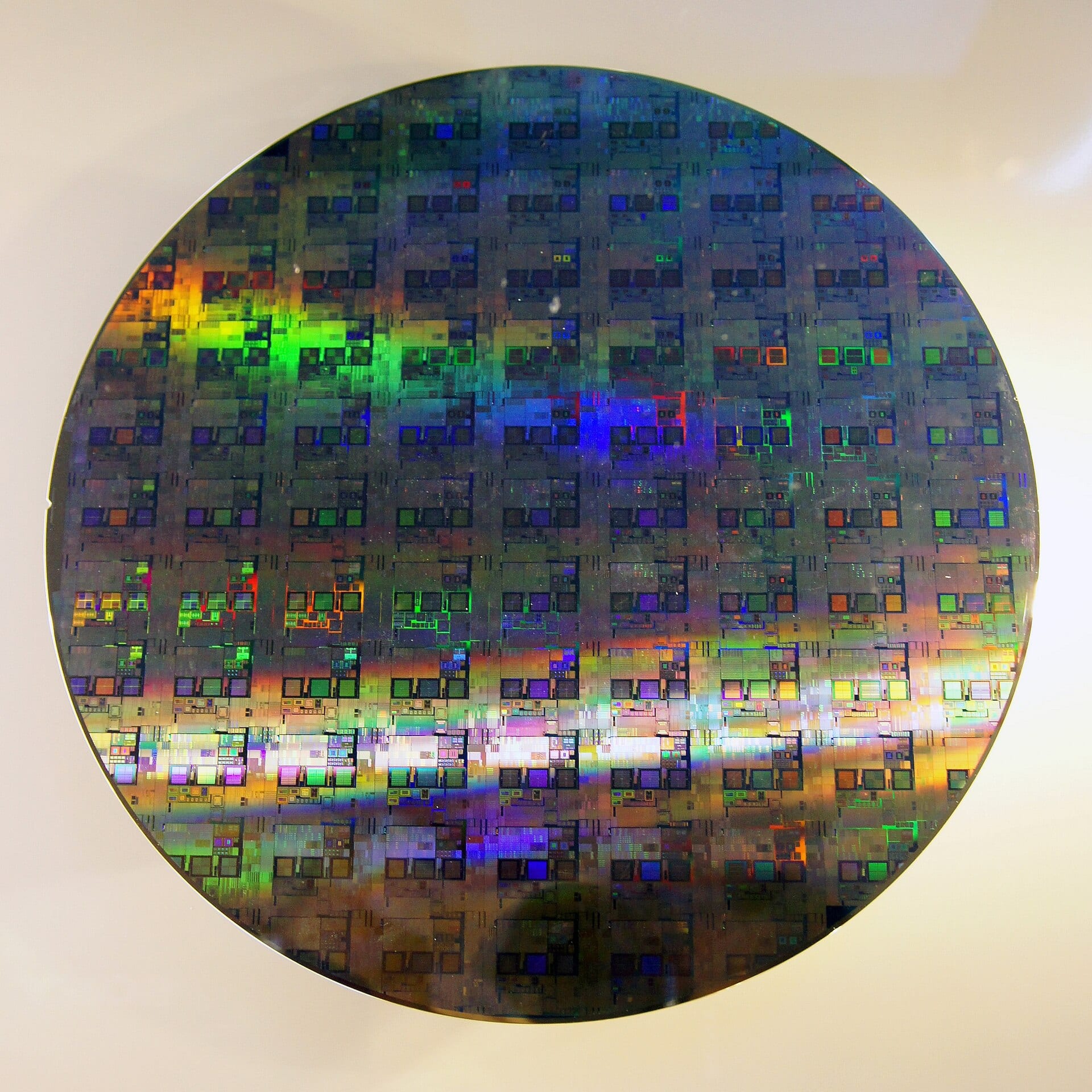
Samsung's production chief put a number on the AI memory squeeze this week: high-bandwidth memory will consume nearly 30% of the DRAM industry's wafer capacity next year, up from about 20% today, and Samsung's own HBM lines will lift wafer input roughly 40%, from about 180,000 wafers a month to 250,000 13. The wires stopped at the headline. The arithmetic underneath is what moves prices for everything with a memory chip in it.
The real conversion rate is three times the headline
HBM is not ordinary DRAM at a premium. It stacks dies vertically and packages them beside the accelerator, and each HBM die occupies roughly three times the wafer area of the same capacity in DDR5 1. Micron's−1.28% — Micron, down 1.28 percent today CFO Mark Murphy has described the same trade ratio, about three to one in the HBM3 generation and rising with each new stack generation 2. TrendForce's own estimate makes the gap concrete: HBM will take 30% of DRAM wafers next year but produce only 13% of the bits 4. So a 10-point wafer shift displaces conventional DRAM output at two to three times that pace, because those wafers were producing three times the bits 1. That crowding-out is why TrendForce now projects 2027 blended HBM prices up 121% year over year, and why server DDR5, PC and mobile DRAM stay expensive 14. Samsung itself says the two compete for the same wafers 3.
HBM takes 30% of the wafers, makes 13% of the bits
- Estimate
Data
| Value | |
|---|---|
| 2026 HBM wafer share | 20% |
| 2027 HBM wafer share (estimate) | 30% |
| 2027 HBM share of bits (estimate) | 13% |
Whose money this moves
Buyers of ordinary memory fund the AI buildout whether they like it or not: AI servers take both the HBM and the high-capacity DDR5 beside the CPU, so PC and smartphone DRAM are what get squeezed out 4. For Samsung, the trade is concentrated in one company: it holds about 40% of the global DRAM market 4, and its HBM4 family is set to go from roughly 40% to 80% of its HBM shipments next year 1. It is chasing SK hynix−1.69% — SK hynix, down 1.69 percent today, whose HBM revenue share fell from 58% to 50% between the first and second quarters of 2026 while Samsung's rose from 21% to 33% 4. UBS projects Samsung takes the HBM bit-share lead in 2027, 41% to 39% 4.
Samsung cut SK hynix's HBM revenue-share lead from 37 to 17 points in one quarter
- SK hynix
- Samsung
Data
| SK hynix | Samsung | |
|---|---|---|
| Q1 2026 | 58% | 21% |
| Q2 2026 | 50% | 33% |
Conventional DRAM is the scarcer book
Into Micron's fiscal fourth-quarter report after today's close, the asymmetry is the point. On my reading of 2, the five-year agreements with price floors cover roughly 40% of Micron's revenue, but the source does not say which products they cover, so the displaced conventional volume may not carry the same protection. If Samsung is right about the capacity conversion, the conventional side is the scarcer, higher-torque position, and the HBM ramp is the price of getting there. The wafer counts Samsung itself gave 3 show the conversion already underway; whether HBM4 yields hold at the pace Samsung's share targets require is the link still being tested.
Get Chips by email, free
How AI demand is reshaping chipmakers, memory and the fabs behind them. In our daily email, every weekday.



Reader comments
0 comments