Intel beats and guides December down on memory costs, and the stock falls more than 20% after hours
Intel beat September estimates and grew data-center revenue 78%, then guided December to $15 to $16 billion against a $17 billion consensus; a stock that had more than doubled fell more than 20% after hours. The AI buildout's memory bill has arrived inside a mega-cap's guidance.
 Vincent Jiang · 3 min read
Intel−26.05% — Intel, down 26.05 percent today beat the September quarter and guided December down anyway. Revenue rose 21% to $16.5 billion, adjusted earnings of 52 cents cleared a 40-cent estimate, and data center and AI revenue grew 78% 1. December is the problem: guidance of $15 billion to $16 billion in revenue against a $17.07 billion consensus, 25 cents of earnings against 43 cents, and gross margin stepping down from 43% to 38% 12. The shares, up more than 100% this year, fell more than 20% in extended trading 23.
Two breakout quarters, then a December guide back toward $15 billion
- Revenue
- Estimate
Data
| Revenue | |
|---|---|
| Q3 '23 | $14.2B |
| Q4 '23 | $15.4B |
| Q1 '24 | $12.7B |
| Q2 '24 | $12.8B |
| Q3 '24 | $13.3B |
| Q4 '24 | $14.3B |
| Q1 '25 | $12.7B |
| Q2 '25 | $12.9B |
| Q3 '25 | $13.7B |
| Q4 '25 | $13.7B |
| Q1 '26 | $13.6B |
| Q2 '26 | $16.1B |
| Q3 '26 | $16.5B |
| Q4 '26 guide (estimate) | $15.5B ($15–16B) |
Memory prices are the mechanism
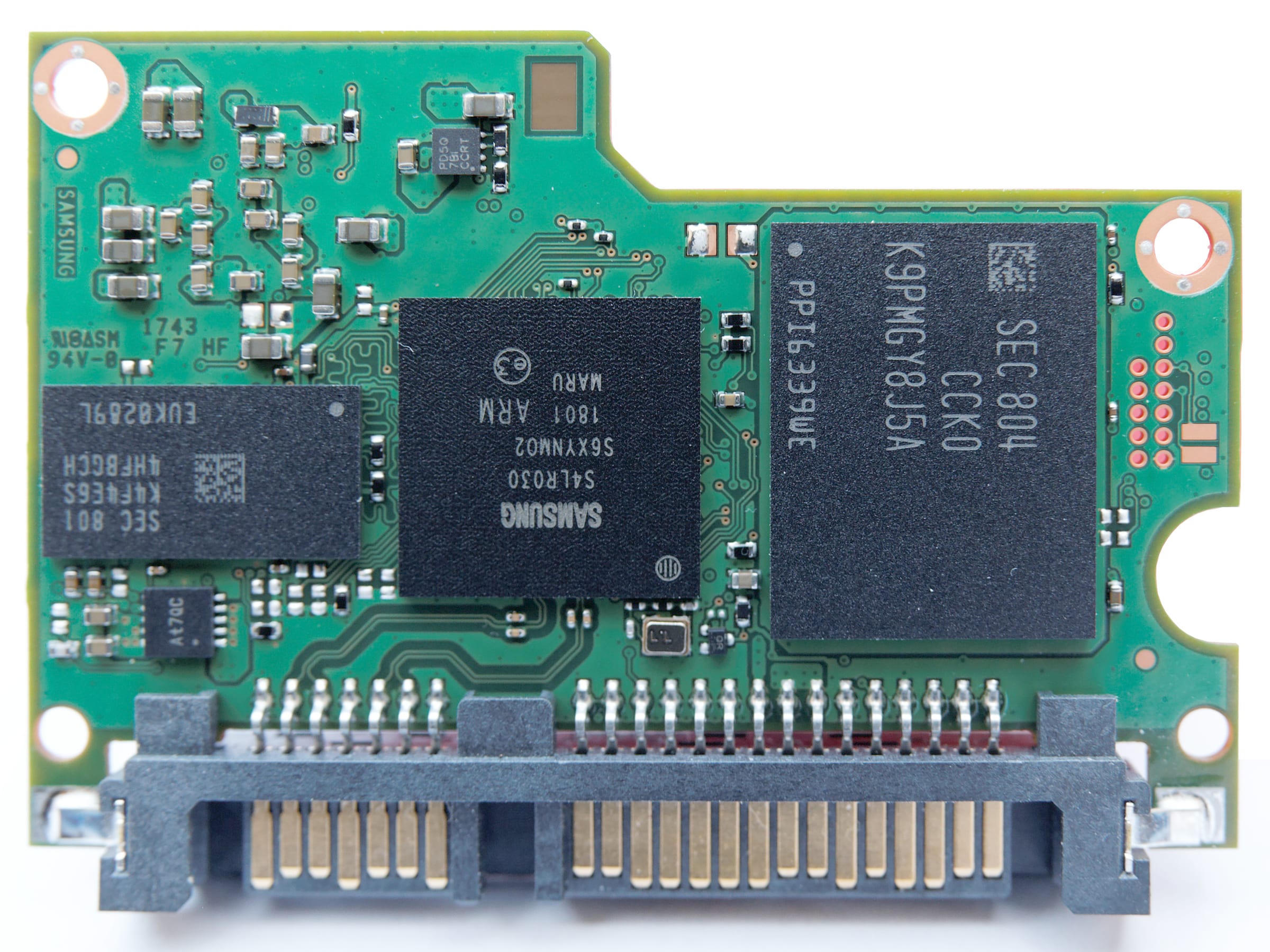
The cause is the AI buildout's appetite for memory. Samsung, SK Hynix−6.47% — SK Hynix, down 6.47 percent today and Micron−8.46% — Micron, down 8.46 percent today have shifted wafer capacity into high-bandwidth memory for AI accelerators, which consumes roughly three times the silicon per gigabyte of laptop DRAM 45. Contract prices for LPDDR5X, the memory in most laptops, jumped 89% in the second quarter, and HP−8.63% — HP, down 8.63 percent as of its last quote now puts memory at about 35% of a laptop's cost 4.
The PC slump runs through at least 2027
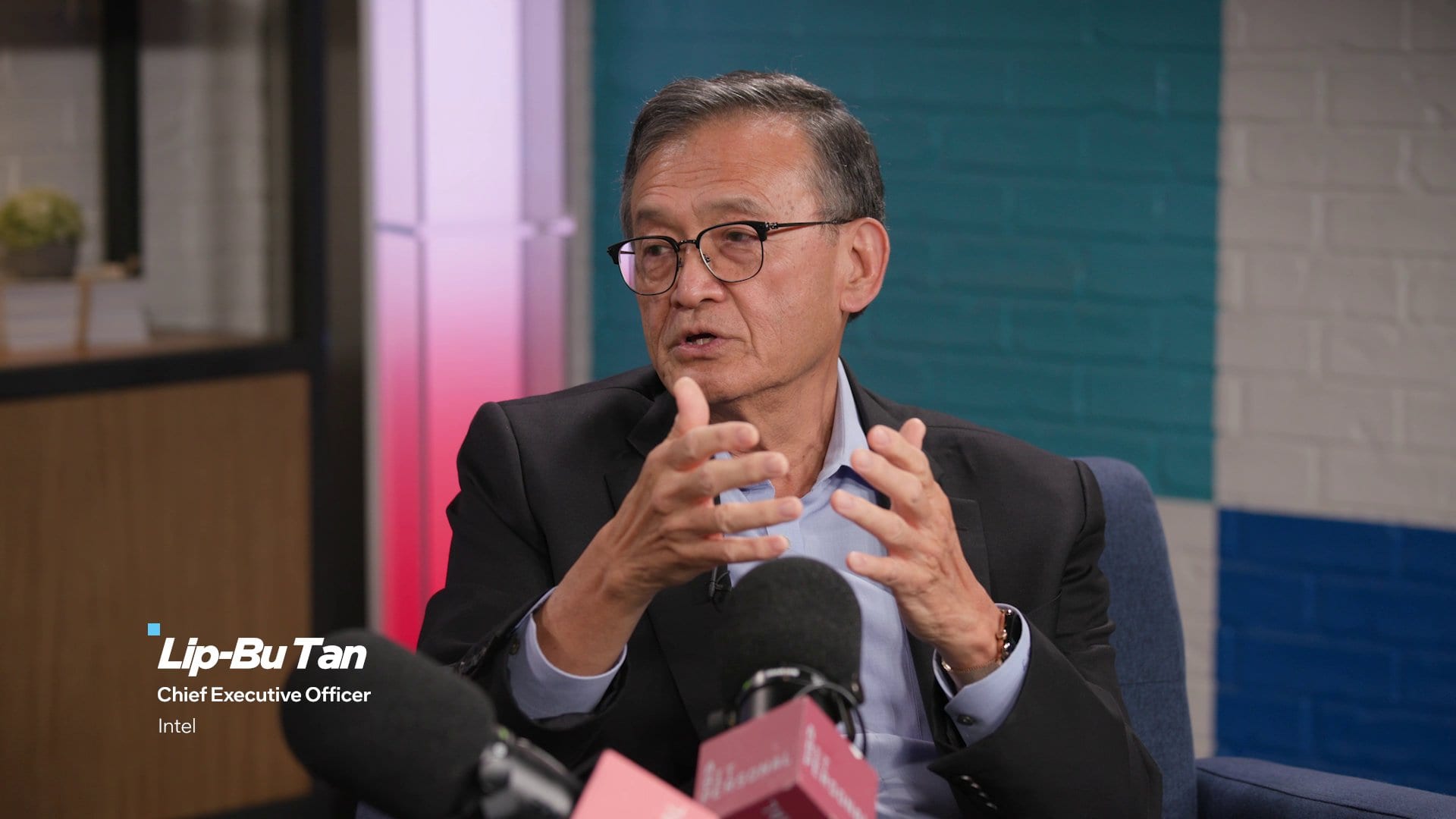
PC shipments fell 4% in that quarter, Counterpoint Research estimates, and TrendForce says PC makers have hit the limit of what they will pay for memory 36. Intel projects the PC market down 12% this year and 10% more in 2027, a slump chief financial officer David Zinsner sees running at least through the first half of 2027 13. "In 2027 it is going to be a very severe issue to all of us," chief executive Lip-Bu Tan said 1.
The shortage pays SK Hynix and charges Intel
A day earlier, SK Hynix posted quarterly revenue of about $78 billion, up 328%, with about $62 billion of operating profit, and said its output is effectively sold out through 2029, with shortage projected through 2030 5. Intel pays from both pockets.
Client computing, nearly half its revenue, fell 5% to $8.1 billion, roughly $0.9 billion below estimates 12. The data center unit left demand unfilled for lack of raw materials and after an October explosion at its Kiryat Gat fab in Israel, worth about $300 million of December revenue and 200 basis points of margin 12.
The AI buildout grew Intel's fastest business by 78% and then billed it through the PC market the buildout itself is shrinking.
Intel's AI side grew 78% in Q3 while its PC base shrank 5%
Data
| Value | |
|---|---|
| Data Center & AI | 78% |
| Foundry | 58% |
| Total company | 21% |
| Client Computing (PC) | -5% |
Server demand against a shrinking PC base
The bull case is intact: that data center growth was Intel's best in 15 years, foundry revenue rose 58% and is still loss-making, Oracle−6.74% — Oracle, down 6.74 percent today committed this week to deploying next-generation Xeon processors, and the demand side is funded by quarters like Amazon's−10.62% — Amazon, down 10.62 percent today $75.9 billion of capital spending 378.
Either way, memory costs have moved from supplier earnings into a mega-cap's guidance. Zinsner expects a similar fab hit in the first quarter 2. AMD−8.67% — AMD, down 8.67 percent today reports next week and Nvidia−2.77% — Nvidia, down 2.77 percent today in mid-November 3; the tell is whether server demand outruns a PC base that memory prices keep shrinking 1.
Get Chips by email, free
How AI demand is reshaping chipmakers, memory and the fabs behind them. In our daily email, every weekday.