Besi's chief says ASML is a collaborator in bonding, not the rival investors priced
A SemiAnalysis report that ASML is building a hybrid-bonding tool cut 13% off Besi in the week to October 16. A week later Besi's chief executive called ASML a collaborator while booking record orders, and the chipmakers proving the technique are Chinese fabs that cannot buy ASML's lithography at all.
 Richard Tangfour-minute read
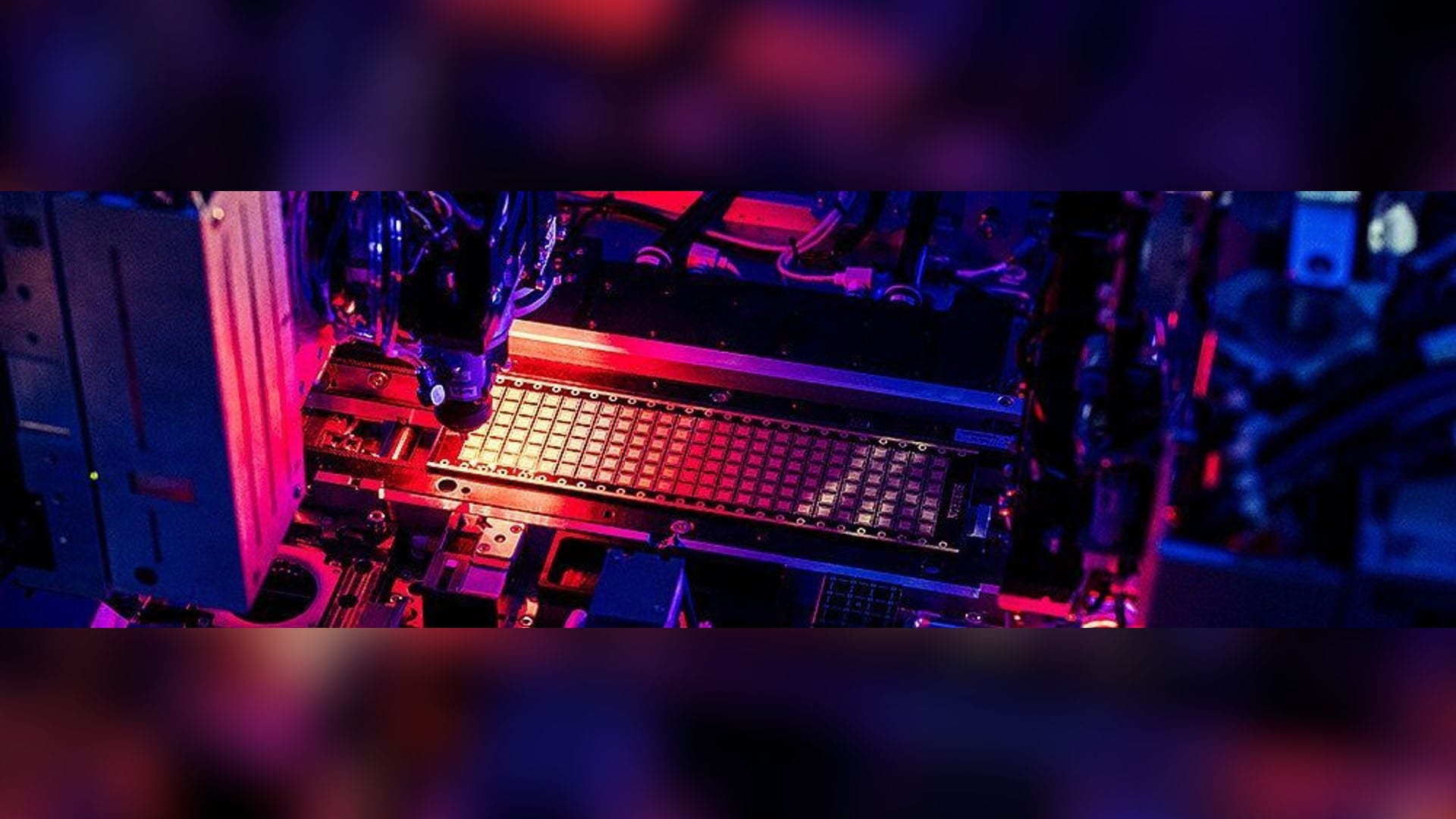
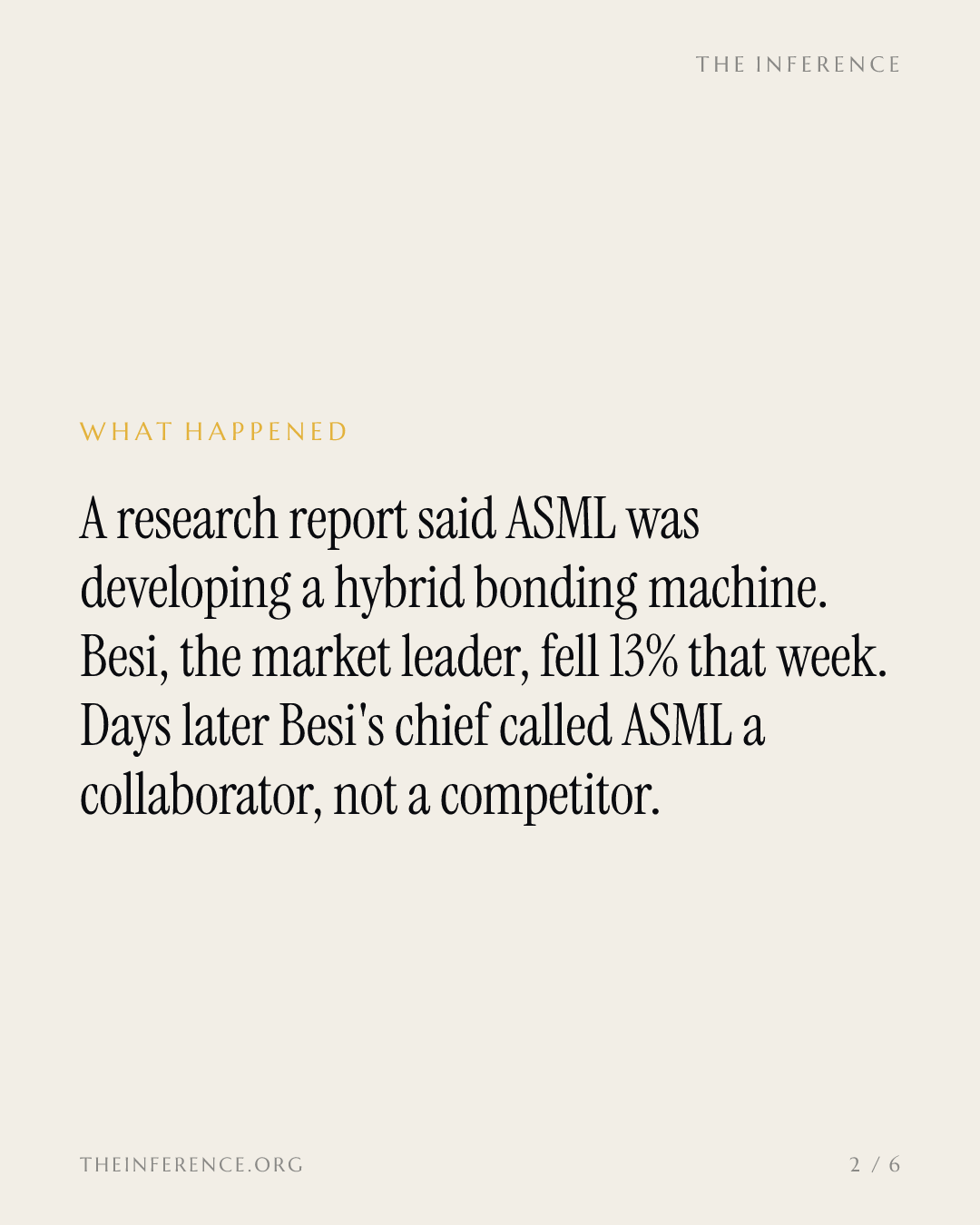
The chip-bonding war the market priced this month may not exist. On Thursday October 15, research firm SemiAnalysis reported that ASML+5.10% — ASML, up 5.10 percent today, the Dutch maker of the printers behind advanced chips, had filed 27 patent families on hybrid bonding and was developing a die-to-wafer bonder with two Dutch partners, Prodrive Technologies and VDL ETG 1.
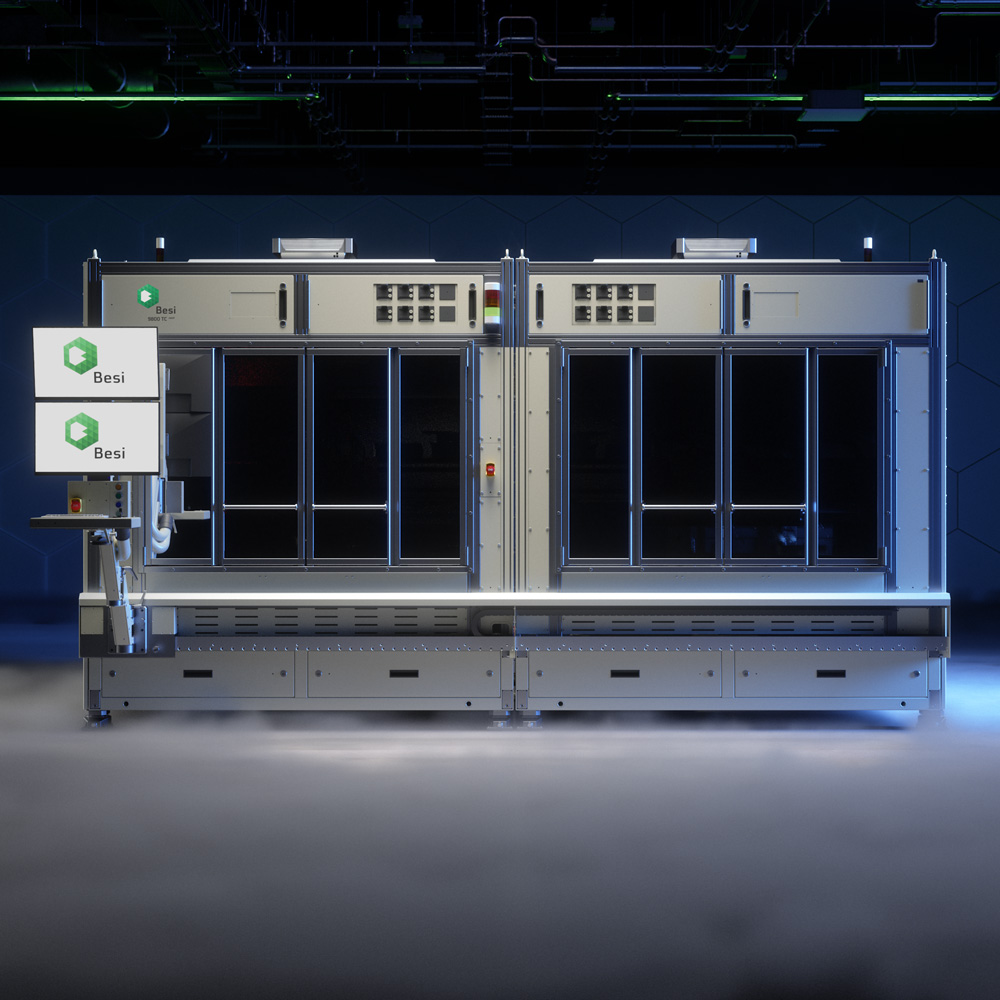
Besi+1.77% — Besi, up 1.77 percent today, a fraction of ASML's size but the leader in hybrid bonding, fell 13% that week 23. A week later, on October 22, Besi chief executive Richard Blickman said "We do not view ASML as a hybrid bonding competitor" and described joint work on how precisely Besi's machines place chips 4.
We covered Besi's record orders on October 22 and ASML's record quarter on October 28; what is new since is Blickman's on-record denial, the partners named beside ASML, and ChangXin Memory Technologies'−4.98% — ChangXin Memory Technologies, down 4.98 percent today first high-bandwidth-memory output.
Stacking buys density where printing is barred
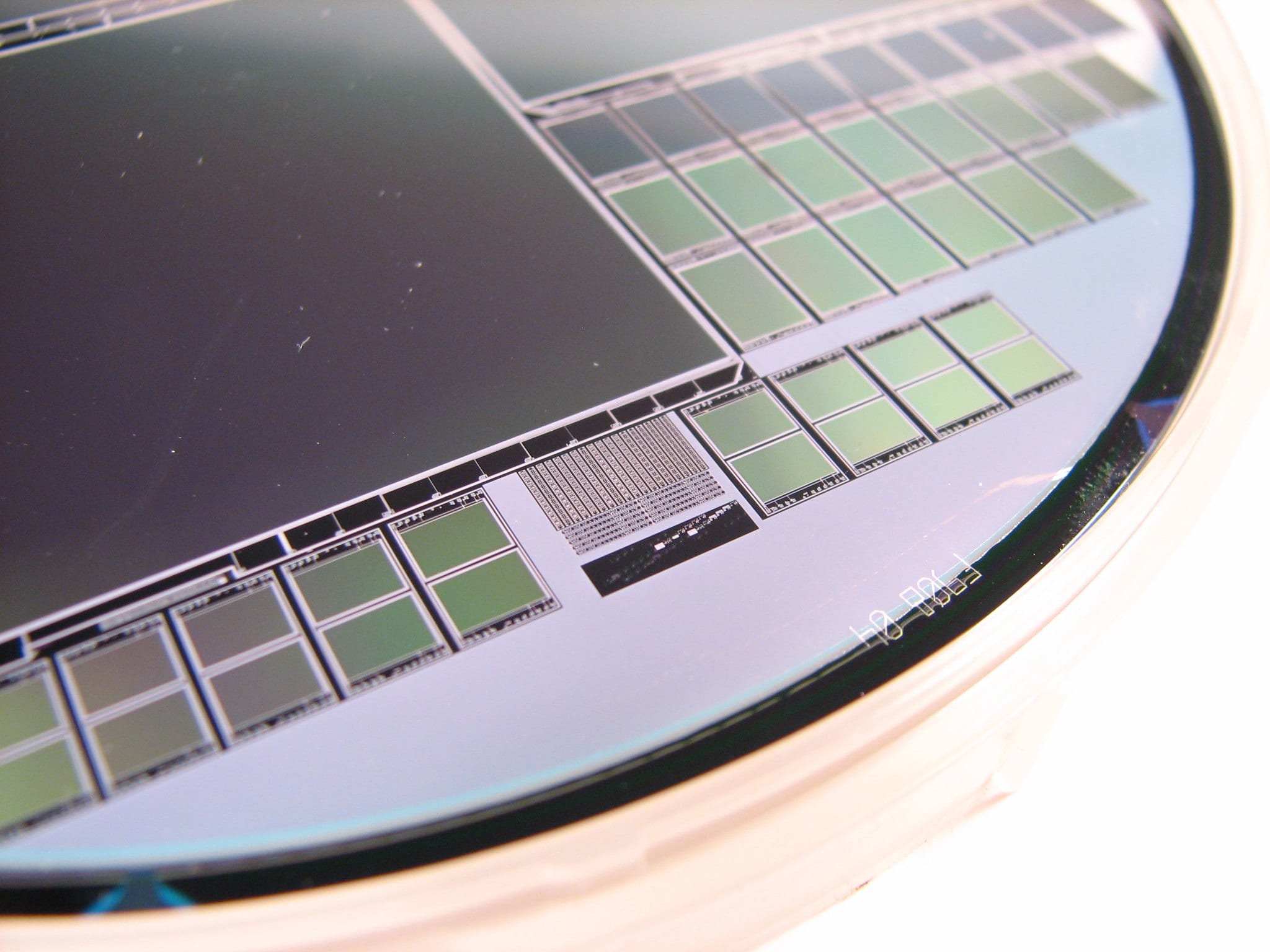
Hybrid bonding joins finished chip surfaces copper to copper, with no solder in between, so stacked chips run denser and cooler. That is what high-bandwidth memory, the stacked memory inside AI accelerators, needs. Density gains can now come from adding layers on top of a wafer, not only from printing finer lines. Huawei says its Kirin 9050 phone chip carries more than 50 million hybrid bonds 1.
Built that way, it reached 53.5% higher transistor density 1. ChangXin, China's memory-chip maker, has begun HBM3E output, the current generation of that stacked memory, on a 4F-square cell design that raises density using older lithography machines, at yields of 20 to 30% 15. Huawei and ChangXin cannot import ASML's extreme ultraviolet printers at all 1.
The order book is real, the rival is unconfirmed
Besi booked €342.6 million of third-quarter orders, and its shares have roughly halved since June on fears like this one 4. Cumulative demand for its bonding systems this year runs above 215 machines 6. Blickman says ASML's interest is "3D transistor stacking inside the chip over the next decade and not in competing with Besi", which is his position, not proof of what ASML will ship 4.
ASML itself has confirmed nothing 2. Bank of America−0.48% — Bank of America, down 0.48 percent today cut Besi to neutral on October 6 on this exact fear, yet it does not assume ASML takes significant share: manufacturers still struggle to stack logic or memory at the required accuracy, and that precision is what ASML sells 7.
SemiAnalysis itself says bonding yield turns on alignment accuracy and particle control, a lithography craft 1. If ASML ships a placement tool, it could sell to the bonding incumbents as easily as against them.
ASML needs a layer it does not own
ASML just posted the strongest quarter in its history and says supply planned for 2027 and 2028 will not fully meet demand; customers are asking for slots as far out as 2030 8.
China bought a third of its output in 2025 and is guided to about a fifth this year under export rules, a squeeze we covered on October 5 8. Bonding is the substitute Chinese fabs are actually using, and their domestic tool supplier is tiny: Piotech, a Chinese maker of bonding equipment, booked $20.3 million of bonding revenue last year 1.
Record sales, and ASML still says supply will fall short
Data
| Revenue | |
|---|---|
| Q4 '24 | $9.64B |
| Q1 '25 | $8.38B |
| Q2 '25 | $9.02B |
| Q3 '25 | $8.8B |
| Q4 '25 | $11.42B |
| Q1 '26 | $10.08B |
| Q2 '26 | $10.62B |
| Q3 '26 | $13.27B |
None of that record quarter priced a second franchise. ASML's only public words on the field are that it is studying "which directions the 3D integration industry will evolve" 1. Its stock fell 8% that week: Bank of America and Jefferies−2.51% — Jefferies, down 2.51 percent today cut their price targets, while Barclays−1.53% — Barclays, down 1.53 percent today, Citi+0.62% — Citi, up 0.62 percent today and UBS raised theirs 3.
The roadmap, the order book and the yields decide it
Watch whether ASML commits to a 3D-integration plan beyond that standing sentence 1; whether Besi's fourth-quarter orders hold and this year's bonding demand converts into revenue on schedule 6; and whether ChangXin's yields climb past 30%, which would show China can reach AI memory without extreme ultraviolet lithography at all 5. For holders the choice is between two different assets: Besi's order book is money already booked, and ASML's packaging business is a capability without a launch date.
Get Chips by email, free
How AI demand is reshaping chipmakers, memory and the fabs behind them. In our daily email, every weekday.