Issuers blocked 26 tokenized-stock listings onshore. Coinbase is building the other 2,000 offshore.
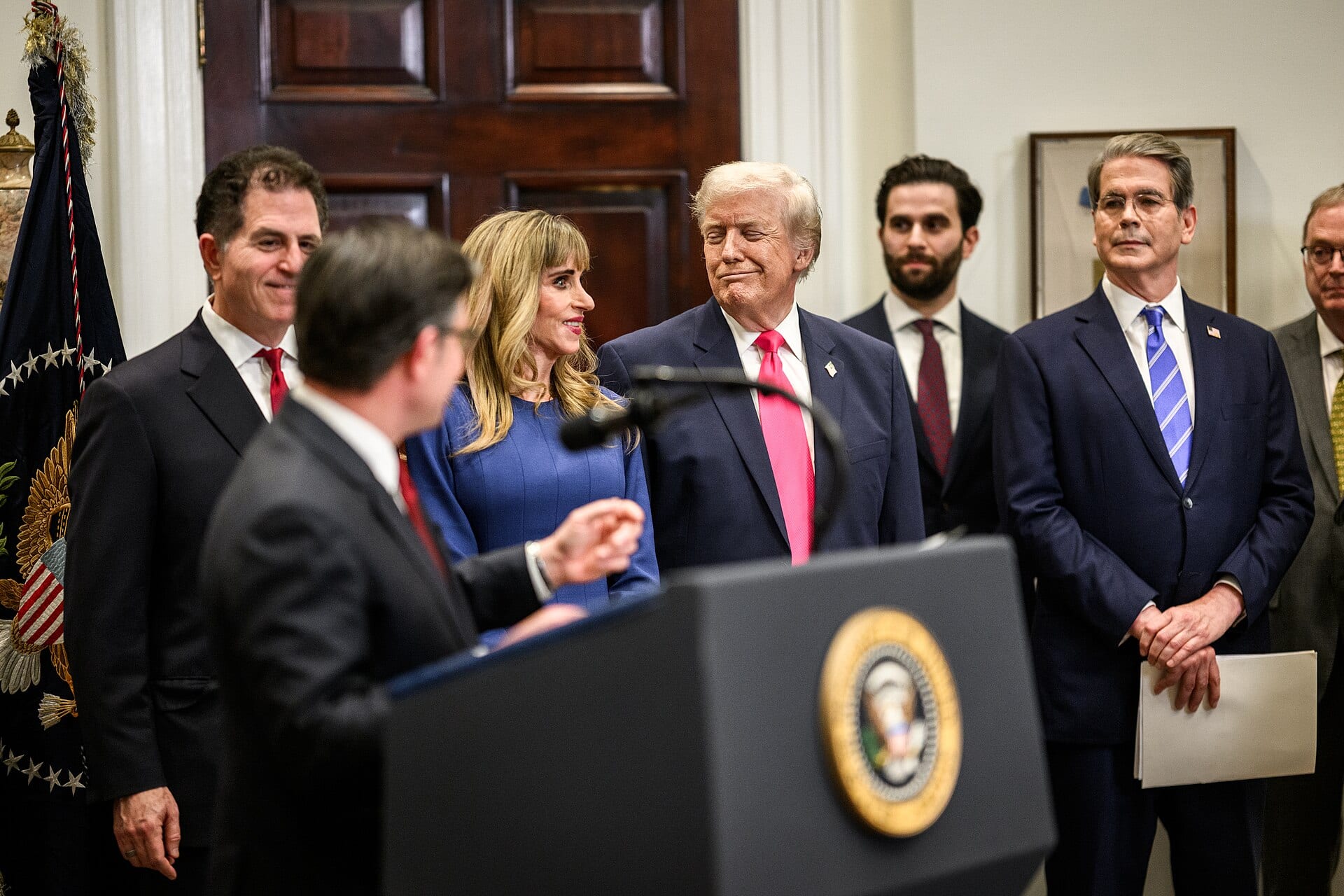
Under the SEC's Innovation Exemption, 26 issuers have now vetoed OKXICE's plan to trade tokenized versions of their shares. Coinbase is racing the same product to Abu Dhabi, where no veto exists.
 Richard Tang · 2 min read
The SEC's new Innovation Exemption was meant to put US stocks on-chain, and the first venue to try it just found the issuer door closed from the inside. Twenty-six companies, from Microsoft−0.66% — Microsoft, down 0.66 percent today and Alphabet+1.10% — Alphabet, up 1.10 percent today to Goldman Sachs+1.42% — Goldman Sachs, up 1.42 percent today, Cisco−1.21% — Cisco, down 1.21 percent today, Wells Fargo+1.82% — Wells Fargo, up 1.82 percent today and now IBM+0.40% — IBM, up 0.40 percent today, Oracle+0.24% — Oracle, up 0.24 percent today, Intel+0.11% — Intel, up 0.11 percent today and IonQ−2.20% — IonQ, down 2.20 percent today, have blocked OKXICE, the OKX and Intercontinental Exchange−0.56% — Intercontinental Exchange, down 0.56 percent today joint venture, from tokenizing their shares. Coinbase's−1.56% — Coinbase, down 1.56 percent today answer is telling: it is building the same product offshore, in Abu Dhabi, where the veto does not exist.
The consent rule does the damage
The mechanism matters more than the list of names. The Exemption gives qualifying venues five years to test round-the-clock blockchain trading of stocks, and gives issuers thirty days to object before their shares go on-chain. Objecting costs nothing and locks nothing in, so legal and investor-relations teams do the rational thing: they say no. Twenty-three of the sixty-two companies OKXICE notified on October 4 had opted out by October 26. 1 The framework tilts every decision toward silence or refusal, and the venue cannot build a market from refusals.
Coinbase went where the veto cannot follow
Coinbase understood that in August. It took an Abu Dhabi license and now tokenizes about seven US stocks there, with plans to reach 2,000, betting on demand from investors who cannot open a US brokerage account. 23 No issuer veto operates in that jurisdiction. Whether those tokens carry real legal rights to the underlying shares is exactly what Coinbase itself flags as the open question, alongside liquidity and portability. 2
A $2 billion prize by 2028
The business case explains the urgency. Bernstein expects the non-trading lines, prediction markets, derivatives and tokenization, to bring Coinbase roughly $2 billion of revenue by 2028, up from about $600 million earlier this year, while spot trading stalls. 4 Tokenization is the growth story, and it will be built where consent is optional or absent. The risk sits with the token holder.
The 2,000-stock roadmap settles the dispute
The Abu Dhabi roadmap, from seven stocks to 2,000, is the number that settles the dispute. If it ships, offshore venues eat the onshore roadmap the SEC wrote. If issuers sue over unconsented offshore tokens of their shares, the legal question Coinbase sidestepped returns. Start learning how tokenized equity actually conveys rights: that detail decides who wins.~ZERO-WIDTH~
Get Economy by email, free
How AI moves rates, banks, payments and the wider economy. In our daily email, every weekday.