Meta's Ohio data center faces Tuesday's vote with 90.5% of 10,202 hearing comments against
A database logged one day before the midterms counts 10,202 public comments at US local hearings: 90.5% negative, water the top complaint, AI mentioned in a fifth. More than 40 ballot measures on Tuesday put the bill on builders' permits, pipes and wires.
 Vincent Jiangthree-minute read
A recall vote rides on Meta's data center
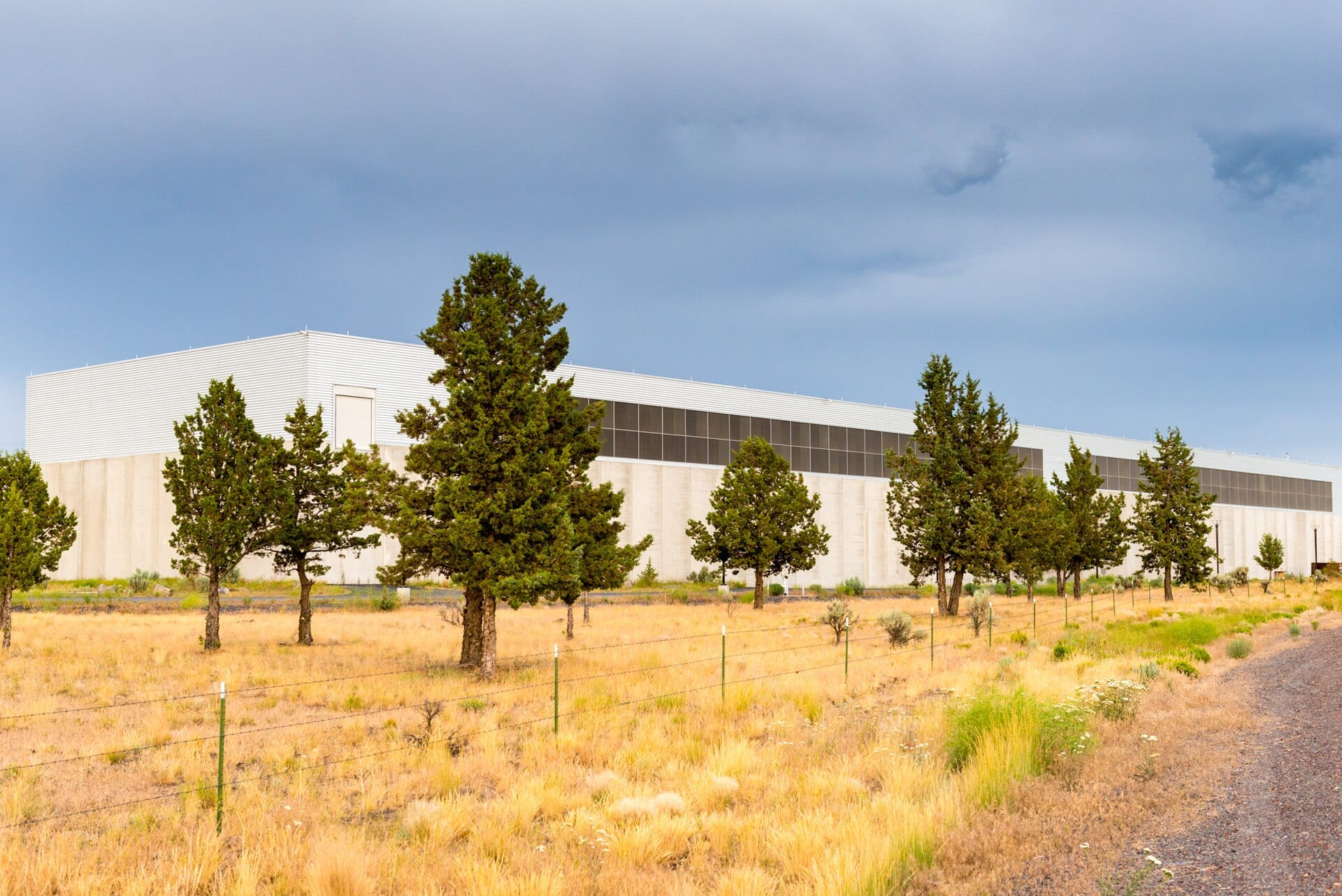
In Piqua, Ohio, a city of about 20,000, Tuesday's ballot asks two questions at once: should Meta+1.07% — Meta, up 1.07 percent today build its data center here, and should the mayor and two city commissioners who backed it keep their jobs? 1 The recall is the sharp edge of a revolt that now has a ledger. A site called American Sentiment, run by Prophecy Gov, a San Francisco startup whose day job is selling AI assistants to city staff, has counted 10,202 public comments from 417 local government meetings across the country this year. 234
The cost of the mood is already booked. Forty-five projects worth $68 billion were delayed or blocked by local opposition in the second quarter alone, according to the researcher Data Center Watch, and more than 40 data-center measures sit on November 3 ballots, from bans in about a dozen Ohio communities to a rezoning vote on a proposed Amazon+0.21% — Amazon, up 0.21 percent today site in Wilmington, Ohio. 1
The complaints are water, secrecy and quality of life
The record is blunt. Of the 10,202 comments, 90.5% were negative and 7% positive; 73% of the meetings heard no supporter at all, and the supporters who came were outnumbered six to one. 2 Water use led the complaints, followed by quality of life and a lack of transparency about the projects. Just 21% of commenters mentioned AI in any way. 2
One group held the line. Some 79% of self-described union workers spoke in favor of data centers, against 3% of property owners and 3% of residents; even among people who work in data centers, only 40% did. 2
In the hearing room, only union workers speak for data centers
Data
| Value | |
|---|---|
| Union workers | %79 |
| Data center workers | %40 |
| Property owners | %3 |
| Residents | %3 |
The ad market flipped against the buildings
Campaign money matches the hearing room. Pew Research Center coded 20,751 Facebook and Instagram political ads that mentioned data centers: in January, supportive ads outnumbered critical ones, 42% to 31%; by October, 57% opposed and 3% supported. 5
The spending is one-sided in cash as well as tone. AdImpact, an ad-tracking firm, counts $173 million spent on almost entirely negative data-center commercials this general election, $140 million of it from Democrats, and when Axios asked it to name one overtly positive spot, it could not find one. 6
Data-center political ads flipped from net supportive in January to 19-to-1 against by October
- Anti-data center
- Pro-data center
Data
| Anti-data center | Pro-data center | |
|---|---|---|
| Jan | %31 | %42 |
| Feb | %52 | %14 |
| Mar | %42 | %30 |
| Apr | %57 | %19 |
| May | %57 | %6 |
| Jun | %64 | %6 |
| Jul | %60 | %6 |
| Aug | %62 | %8 |
| Sep | %61 | %8 |
| Oct | %57 | %3 |
Builders answer with a billion dollars
The industry's case is on the table. Amazon Web Services chief Matt Garman, in a 3,000-word post on October 2, called the water fears a myth, pledged more than $1 billion of community investment over five years, and warned that the roughly 100 moratoriums then pending could cost the United States the AI race. 8
Hearing comments also self-select for the angry. Yet a September Quinnipiac poll found 72% of voters opposed to a data center in their own community, up from 65% in March, and local vetoes bend only so far: after Boulder City, Nevada residents stopped a $3 billion project on a city-owned tortoise preserve, the developer won approval on neighboring federal land. 1
So far, opponents are four for four
Tuesday counts the rooms anyway, and the pattern so far is four-for-four: every data-center measure decided earlier this year went for tighter controls. 7 December brings a $55 billion bond vote on a ServerFarm project in Clarksville, Arkansas, and January could bring a referendum in Coweta County, Georgia, forced by 14,000 signatures against a $17 billion campus, if a judge allows it. 1
The scarcest input in the AI buildout is no longer power or water; it is a room willing to say yes.
Get Data Center by email, free
Who is building AI's data centers, and who is paying for them. In our daily email, every weekday.