Michael Burry closed his Oracle and Caterpillar puts as too expensive after a $4.2 trillion AI selloff
Michael Burry kept his Nvidia and semiconductor-ETF puts but shut his Oracle and Caterpillar puts, saying premiums got too rich after a $4.2 trillion AI-trade selloff. The same night, David Tepper's Appaloosa opened a $172 million Oracle stake.
 Richard Tangthree-minute read
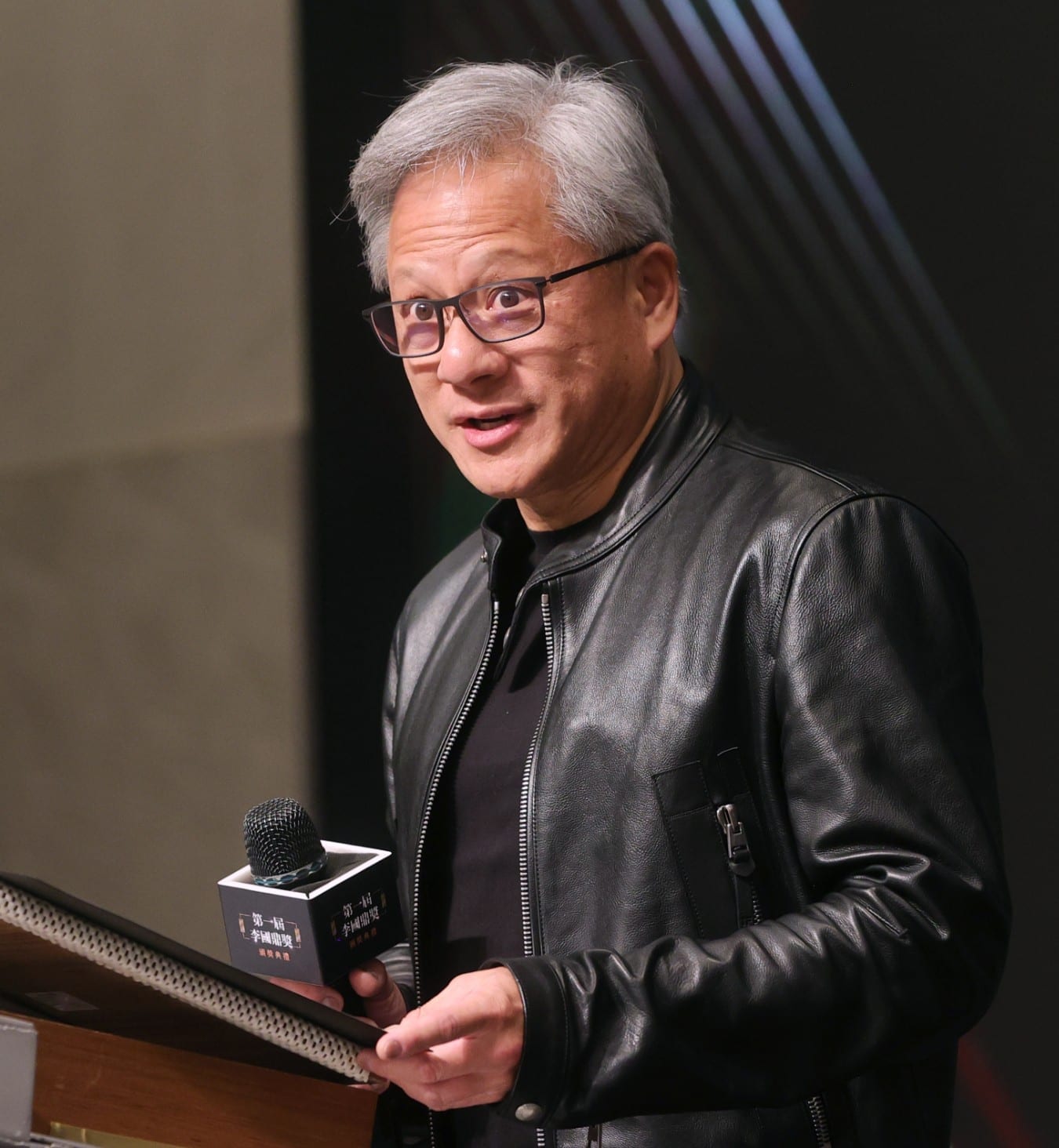
Two disclosures crossed Monday night, and they agree: for the AI trade, the binding constraint has moved from the view itself to the cost of expressing it. Michael Burry, the investor of The Big Short fame, said he closed his Oracle−4.98% — Oracle, down 4.98 percent today puts and the last of his Caterpillar puts because "puts, with the higher volatility of late, are getting expensive," and that he will look at outright short positions instead 2. The same day, David Tepper's Appaloosa filed a new $172 million Oracle stake alongside bigger Nvidia−4.19% — Nvidia, down 4.19 percent today, SpaceX−1.13% — SpaceX, down 1.13 percent today and memory positions 14.
Burry's bear view is intact; the wrapper repriced
Burry still holds puts on Nvidia, the Nasdaq 100, a semiconductor fund, MetLife+0.49% — MetLife, up 0.49 percent today and Palantir−4.85% — Palantir, down 4.85 percent today 2. In late September he covered his stock shorts in Nvidia, Micron−7.39% — Micron, down 7.39 percent today and Caterpillar and replaced them with puts, arguing the AI bubble could burst "sooner than later" 6. Then the fall arrived: $4.2 trillion has come off data-center suppliers since June, by the Financial Times' count, and Nvidia chief executive Jensen Huang resigned on November 11 357.
Implied volatility, the swing an option charges for, finished last week near the top of Nvidia's own year 8. After a rout, insurance prices the fire: the extra premium is income to whoever sold it, and buying protection now means paying for the move that already happened 9.
Tepper sold the chip designers and bought the compute
A 13F, the quarterly holdings filing every large US fund must file, shows positions as of September 30, so it records where the dip was bought, not where anyone stands today 4. Appaloosa exited AMD−5.33% — AMD, down 5.33 percent today, Broadcom−4.02% — Broadcom, down 4.02 percent today and Qualcomm−2.88% — Qualcomm, down 2.88 percent today entirely and raised Nvidia, Micron, Lam Research−6.58% — Lam Research, down 6.58 percent today and a previously small SpaceX position 1. The swap suggests a distinction: merchant chip designers out, the companies that own and supply the compute in. Both camps cooled on Alphabet−3.94% — Alphabet, down 3.94 percent today in the same weeks: Appaloosa cut its stake while Burry moves to donate his, on a less favorable view of the next five to six years 12.
Tepper exited AMD, Broadcom and Qualcomm and bought Oracle, Nvidia and SpaceX
Tepper sold the chip designers and bought Oracle, Nvidia, SpaceX and memory
Data
| Value | |
|---|---|
| SpaceX | 3.66M shares |
| Oracle | 1.25M shares |
| NVIDIA | 0.47M shares |
| Micron | 0.28M shares |
| Lam Research | 0.24M shares |
| Broadcom | -0.15M shares |
| AMD | -0.2M shares |
| Qualcomm | -0.25M shares |
| Alphabet | -0.85M shares |
The orders are real; the money is the question
That selloff is a repricing of expectations, not a tally of canceled projects 5. Caterpillar still carries a record $78 billion backlog even after losing about 44 percent of its market value since June 3. What investors are repricing is financing costs, electricity supply and permitting for new projects 5. Nvidia reports today after the close, its first call since Huang left, with options pricing a 7.7 percent one-day move, and the result will test whether the orders behind that backlog keep converting 78.
He kept the short and stopped paying for it
Burry also added Adobe+2.17% — Adobe, up 2.17 percent today at about $246, the software name whose free-clone pitch we covered in October; his case is that file formats, enterprise contracts and an installed base hold up where AI models do not 2. He has not abandoned the AI short. He has stopped overpaying to hold it, and that is the lesson that generalizes: when a view gets expensive to express, the expression migrates, and the money flows to whoever prices that first.
Get Economy by email, free
How AI moves rates, banks, payments and the wider economy. In our daily email, every weekday.
Reader comments
0 comments