Nanya Technology earned an 85.7% gross margin on DDR4 as buyers paid 24% more in three months
Nanya, the Taiwanese memory maker with no HBM line, repriced its legacy DRAM book into record profit and an 85.7% gross margin, while the buyers who cannot redesign away from DDR4 paid 24% more in three months.
 Vincent Jiang · 3 min read
A retirement that got canceled
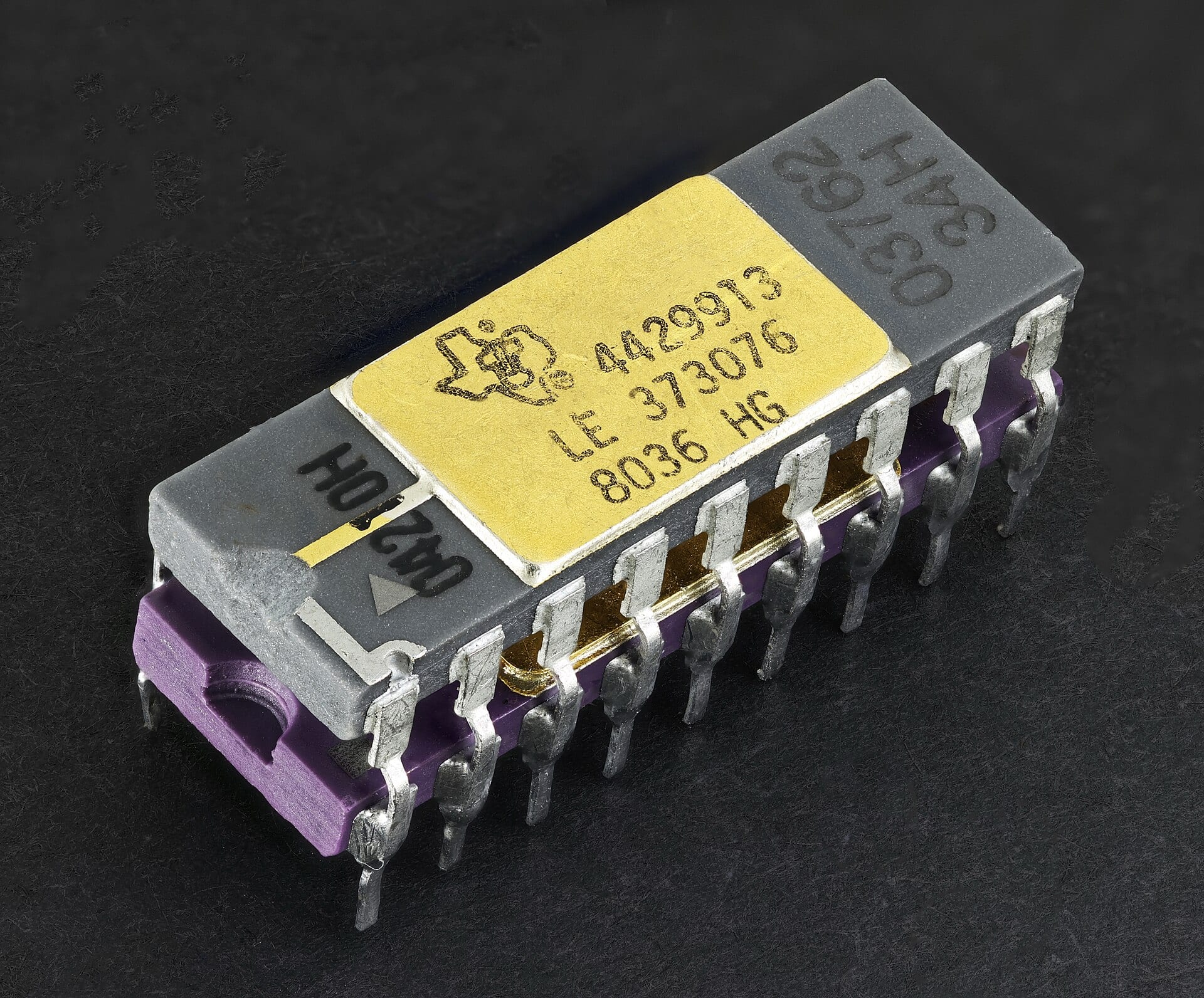
DDR4 was supposed to die on schedule 1. The memory standard inside PCs, factory equipment and cars was meant to fade as its successor DDR5 took over; instead its contract price rose 24% over the past three months, beating DDR5's 20% gain, on Barclays+0.68% — Barclays, up 0.68 percent today data reported October 25, 2026 1. Supply retired faster than demand did.
One quarter, NT$87.6 billion of profit
Nanya Technology+6.52% — Nanya Technology, up 6.52 percent today, the Taiwanese pure-play still making older-generation DRAM at scale, just booked the best quarter in its history: revenue of NT$133.65 billion, up 61.9% from the second quarter and 611.7% from a year earlier, and record net profit of NT$87.63 billion 12. Downstream, Gartner projects average PC prices up about 17% this year on memory costs 3.
No HBM, wider margins than HBM
The strange part: Nanya builds no high-bandwidth memory at all. Gross margin hit 85.7%, up from 79.5% in Q2, operating margin reached 80%, and President Pei-Ing Lee told investors that margins on every DRAM line now outperform HBM itself 123.
Margins and growth in Nanya's record quarter
Data
| Percent | |
|---|---|
| Gross margin | 85.7% |
| Operating margin | 80% |
| Revenue, QoQ | 61.9% |
| Revenue, YoY | 611.7% |
A gigabyte of HBM, the stacked memory behind AI accelerators, eats roughly three times the wafer area of a gigabyte of DDR5, so each wafer Samsung, SK hynix+2.37% — SK hynix, up 2.37 percent today and Micron+2.77% — Micron, up 2.77 percent today moved toward AI memory withdrew several times its share from conventional supply 13. DDR4 alone still carries 12-14% of global DRAM demand, because factories and cars cannot redesign around a new standard in one cycle 2.
Price did the work, contracts hold it
Nanya sold less to earn more: average selling prices rose more than 60% quarter over quarter while bit shipments fell by a mid-single-digit percentage, and management said over half the jump came from low-priced long-term contracts signed in the 2024-25 downturn rolling off 24. Buyers are now locking supply in, with long-term agreements covering 50-70% of capacity and three-year deals exceeding 20% of output 2.
Winbond, the other large Taiwanese legacy supplier, took NT$82.33 billion of quarterly revenue, up 37.6% 1. Murata, the world's largest capacitor maker, is making the same move in passives, dropping consumer and automotive parts earning under 5% gross margin, with final orders in 2028 and last shipments in 2029, to free capacity for AI servers 56.
Nanya's whole book repriced faster than the DDR4 market
Data
| Value | |
|---|---|
| Nanya ASP, Q3 vs Q2 | 60% |
| DDR4 contract, 3 months | 24% |
| DDR5 contract, 3 months | 20% |
Every memory cycle ends the same way
The bear case comes from Nanya itself: December-quarter prices improve only gradually, a slower pace than Q3, shipments stay flat until new output arrives in the second half of 2027, and the NT$346.6 billion Fab 5A reaches 30,000 wafer starts a month only at the end of 2028 12. Third-party estimates put peak undersupply at 13.9% in the fourth quarter of 2027 1. At TWD 422 on October 20, well under its 52-week high of TWD 569, the market is already pricing the windfall as temporary 7.
January decides what this was
The next reading is dated: Nanya reports on January 14, 2027 7. If 2027 contracts carry the DDR4 premium, the margin becomes a fixed cost line for buyers through 2028; if prices stall, this was a timing story 7. The margin sits with whoever stayed, not with whoever led.
Get Chips by email, free
How AI demand is reshaping chipmakers, memory and the fabs behind them. In our daily email, every weekday.