Nvidia gives away LangChain's agent software, and DXC, which licenses it, posted bookings down 10%
Nvidia's October 30 NemoClaw post ships LangChain's tuned Deep Agents harness free, with its own sandbox and tracing bolted beside it. The enterprise paying to license that layer, DXC, printed the other half of the story on October 29: agent usage six times higher, bookings down 10 percent, a cut to the year.
 Vincent Jiangthree-minute read
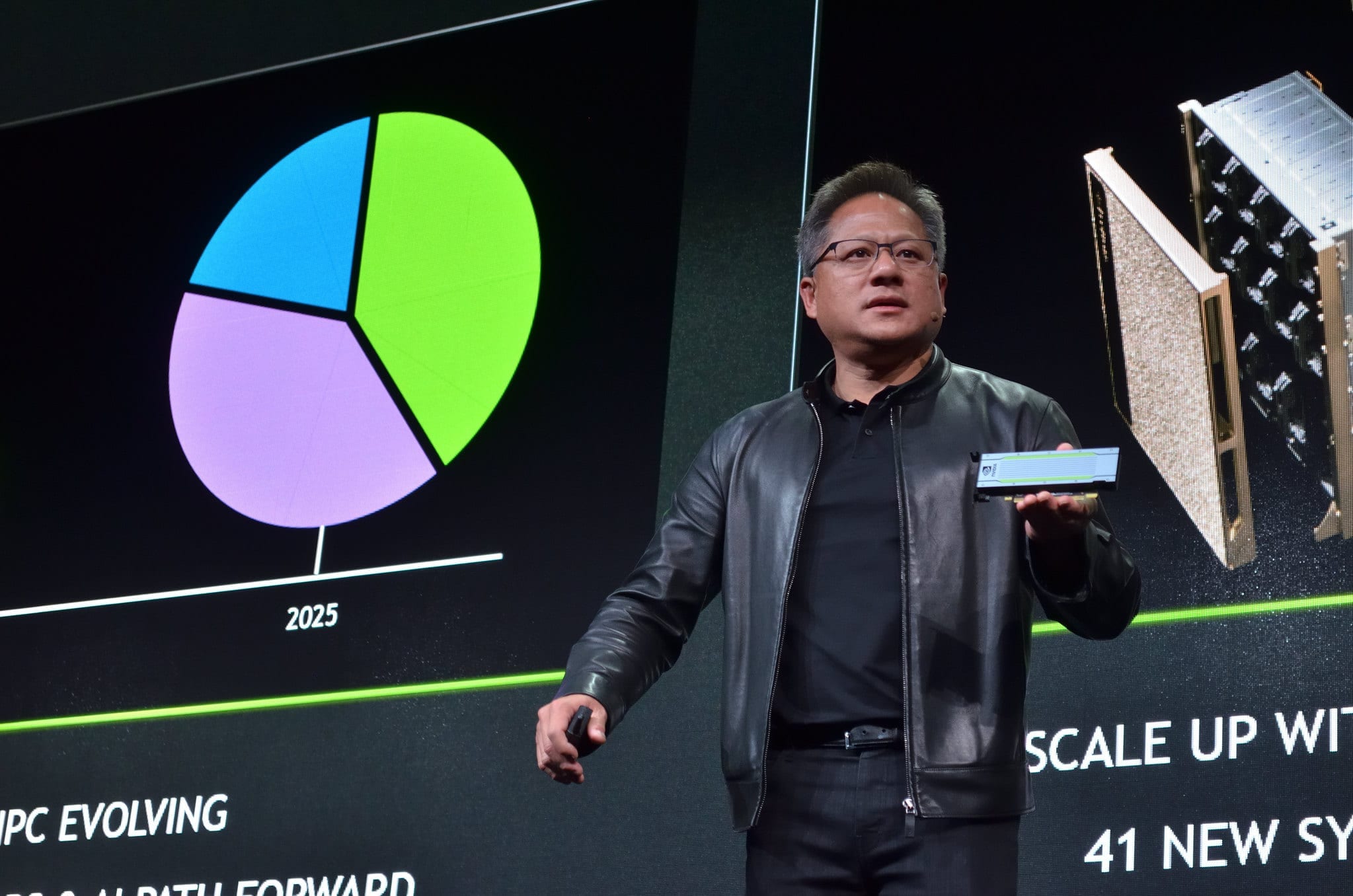
On October 30, 2026, Nvidia−4.19% — Nvidia, down 4.19 percent today published a developer post expanding NemoClaw, its open agent stack, to three supported harnesses: OpenClaw, Hermes Agent and LangChain$25M — LangChain, private, latest valuation $25M Deep Agents 1. The Deep Agents blueprint packages tuning LangChain did in July: adjusting prompts, tools and middleware for Nvidia's Nemotron 3 Ultra without retraining the model, which Nvidia says brought it to near-frontier performance at roughly 10x lower cost per run than leading closed models 1. LangChain's own launch release put a number on it: an aggregate eval score of 0.86 at $4.48 per run, against $43.48 for the next closest model, about a tenth 2.
Nvidia now hands that tuning out for nothing, with its OpenShell policy sandbox and NeMo Relay tracing shipped beside the harness 1.
The enterprise paying to license that layer printed a rough quarter
DXC Technology−0.20% — DXC Technology, down 0.20 percent today, the IT services firm that licenses LangChain to run Oasis, the agent platform it sells to enterprises 3, reported fiscal second quarter 2027 revenue of $3.03 billion on October 29, down 4 percent but ahead of the FactSet−0.21% — FactSet, down 0.21 percent today estimate of $2.98 billion 4. The rest was uglier: bookings fell 10 percent, book-to-bill was 0.8, and free cash flow came in at $91 million 3. DXC cut full-year guidance to a 5 to 5.5 percent organic revenue decline and non-GAAP EPS of $2.25 to $2.50, against the FactSet estimate of $2.58 4.
Usage compounds, bookings do not
Oasis utilization rose sixfold quarter over quarter, two pilots are running with new customers, and more than 5,700 employees have earned AI certifications since June 3. But customers now ask for two-year contracts where they used to sign five 3, and the revenue line shows what that does to a services business:
DXC revenue fell year over year in all ten quarters through June 2026
Data
| Revenue | |
|---|---|
| Q1 '24 | $3.39B |
| Q2 '24 | $3.24B |
| Q3 '24 | $3.24B |
| Q4 '24 | $3.23B |
| Q1 '25 | $3.17B |
| Q2 '25 | $3.16B |
| Q3 '25 | $3.16B |
| Q4 '25 | $3.19B |
| Q1 '26 | $3.13B |
| Q2 '26 | $3B |
The only segment that grew was insurance software, $394 million, up 23.1 percent, and mostly on a one-time contract modification 5. That is also the unit DXC confirmed is in ongoing discussions to sell; Reuters reported advanced talks at $2.4 billion on October 19 4.
Insurance is the only DXC segment that grew in fiscal Q2 2027
Data
| Q2 FY2027 revenue | |
|---|---|
| Consulting and Engineering | $1.21B |
| Global Infrastructure Services | $1.43B |
| Insurance Software | $0.39B |
The bill lands up-stack, where Nvidia sits
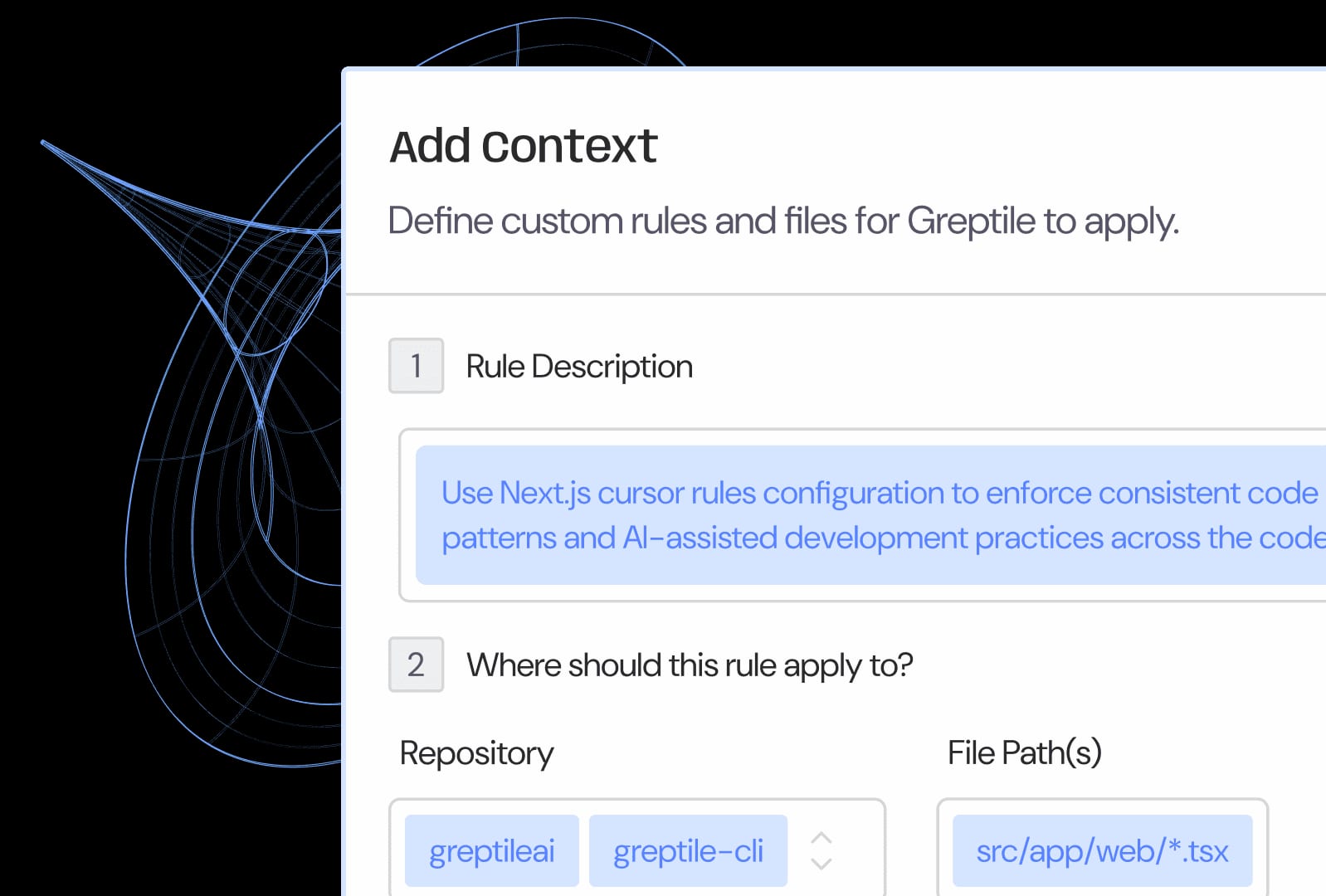
Nvidia gives the harness away and charges for what surrounds it: the Nemotron model, the OpenShell runtime, the NeMo Relay, the silicon 1. LangChain's July release argues the systems around the model, the memory, traces and tuning data, are the enterprise's own IP worth paying to own 2. The catch is that Nvidia's blueprint ships its own relay beside the harness, while LangChain's paid product, LangSmith, counts more than 7,000 customers including Nvidia itself 2. One free harness layer, two distributors, two owners of the tracing bill.
What the free stack still owes
The strongest counterpoint to the bearish split: DXC's management says enterprise AI is complex enough that outside providers still get paid, and a free harness leaves LangSmith's observability business untouched 32. But the free stack bleeds too. In August, researchers found a flaw in NemoClaw's Ollama configuration that let a single web page poison the model behind an OpenClaw agent; it is patched on macOS and Linux, and not on Windows 7. That is the trust and safety market DXC is selling into with its agent assurance offerings 5.
What prices every agent framework
Watch two readings. DXC guides fiscal Q3 organic revenue down about 6 percent and non-GAAP EPS to about $0.55 3; whether sixfold Oasis usage converts shows up there, and in whether the $2.4 billion insurance sale closes 45.
Then watch whether Nvidia's blueprint becomes a paid NeMo license 1. The Inference covered DXC's LangChain license and Salesforce's−1.53% — Salesforce, down 1.53 percent today January 2027 harness bundle in its October 30 Platforms piece; the new facts since are the third free bundle and DXC's own numbers on what a paying enterprise gets back 1. Harness: free. Sandbox, relay, model, silicon: priced somewhere.
Get Platforms by email, free
The cloud, data and developer software AI is built on. In our daily email, every weekday.


Reader comments
0 comments