OpenAI-backed Merge Labs licensed Butterfly Network's ultrasound chip for brain interfaces; Q3 due October 29
Butterfly's ultrasound-on-chip is now the hardware inside two brain-computer-interface startups backed by OpenAI money, and Thursday's Q3 is the first print that could show licensing revenue against a loss-making quarter. The market has priced none of it.
 Richard Tangtwo-minute read
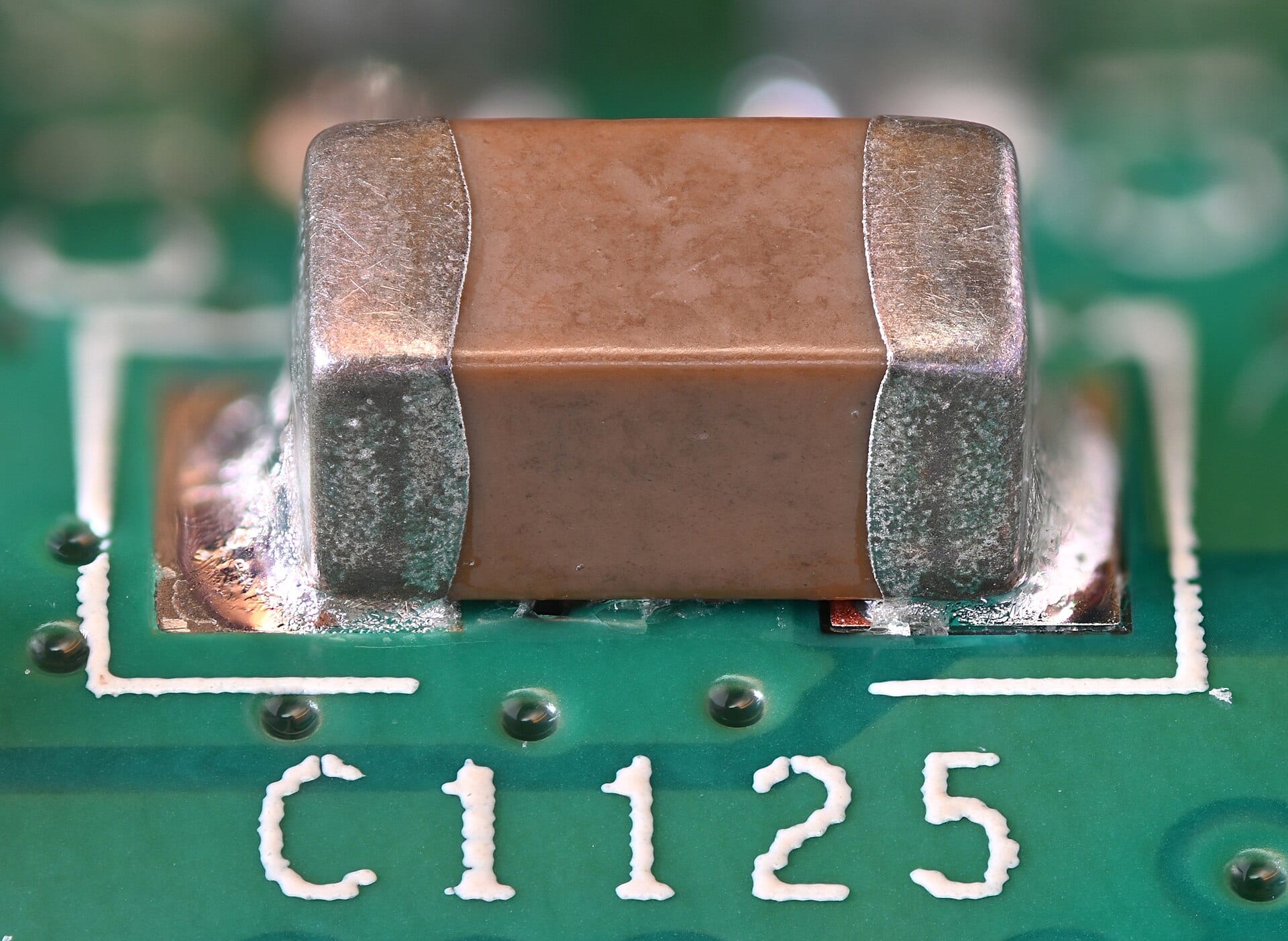
Butterfly Network+2.76% — Butterfly Network, up 2.76 percent as of its last quote makes a semiconductor ultrasound chip, and since September that chip has been sold twice as brain-interface hardware: Merge Labs, the startup seeded by OpenAI$1.18T — OpenAI, private, latest valuation $1.18T and Bain Capital, licensed it on September 1 and made Butterfly its exclusive CMOS-MEMS ultrasound partner, paid in upfront and milestone payments, hardware commitments, access fees and royalties on future sales 257. Bridge Neurotech followed on October 6 257. Nobody prices this 257.
The stock fell 6.76% last week to $6.76 on no company news, and Thursday's Q3, due before the open on October 29, is the first report where the licensing line can show up 2.
One chip design, many products
The mechanism matters because it changes what Butterfly is selling. In a hospital probe, one chip is one exam; in a licensed interface program, one chip design earns fees and royalties on someone else's product category. Merge Labs raised $252 million to build ultrasound brain interfaces; Bridge, launched with $13.5 million from General Catalyst, is already enrolling a human study on probes built from Butterfly's chips 571011. Neither deal's dollar value is disclosed, so the royalty economics cannot be modeled yet 571011.
Thursday is the test
The question is whether any of it reaches revenue. Consensus wants $28.37 million and a loss near $0.035 a share, but the June quarter already hinted: revenue rose 39% to $32.6 million and gross margin hit 71.4%, helped by higher-margin Embedded licensing, with the adjusted EBITDA loss cut to $1.4 million 18. If Q3 shows a growing licensing line against a still-negative net margin, the margin math starts to bend; if it is another quarter of probes, the story stays the old one 18.
Revenue has reaccelerated into the quarter where licensing could show up
Data
| Revenue | |
|---|---|
| Q1 '24 | $17.66M |
| Q2 '24 | $21.49M |
| Q3 '24 | $20.56M |
| Q4 '24 | $22.35M |
| Q1 '25 | $21.23M |
| Q2 '25 | $23.38M |
| Q3 '25 | $21.49M |
| Q4 '25 | $31.51M |
| Q1 '26 | $26.53M |
| Q2 '26 | $32.61M |
The filings show a board positioning for the chip game. Director Michael Noonen joined on October 9, filed a Form 3 owning no shares, then took 37,037 RSUs vesting from October 2027 only if he stays; he brings three decades of semiconductor leadership from GlobalFoundries+4.83% — GlobalFoundries, up 4.83 percent today and NXP+2.84% — NXP, up 2.84 percent as of its last quote 1348. Meanwhile insiders sold $2.97 million of stock in 90 days, and director Louise Phanstiel's August buy at $8.68 sits well underwater 1348.
Analysts see $10 to $15; the stock closed last week at $6.76
Data
| Value | |
|---|---|
| Spot (Oct 24 close) | $6.76 |
| TD Cowen | $10 |
| Needham | $10 |
| Canaccord | $10 |
| Consensus | $11.17 |
| Evercore | $15 |
What the market is still paying for
The sell side reads the VCOM alliance, one iQ3 probe per incoming medical student, as the catalyst: education deals drive installed base and data 126. That is real, but it is still the probe business. Analysts see $10 to $15; the tape says they are paying for probes, and royalties are the proof they should not 126.
Get Chips by email, free
How AI demand is reshaping chipmakers, memory and the fabs behind them. In our daily email, every weekday.