RTX Locked In Seven Years of SM-6 Money; the Next Army Missile Went to Five Rivals
The Navy put up to $25 billion behind Raytheon's SM-6 to refill a magazine the CBO says is half gone, while the Army split its next strike missile five ways with no disclosed prices. Congress has appropriated none of it.
 Vincent Jiangtwo-minute read
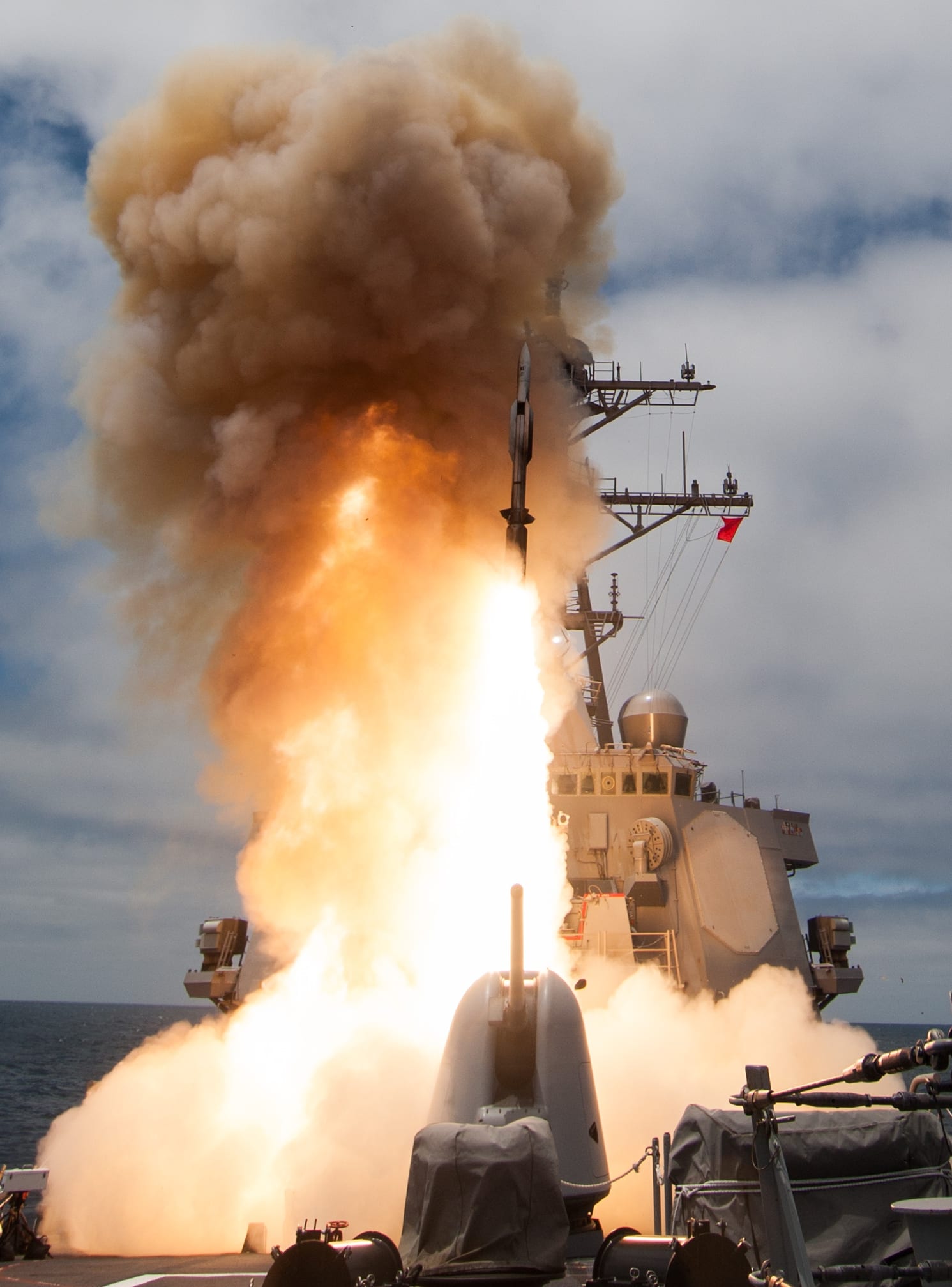
The Navy signed Raytheon, the RTX−1.27% — RTX, down 1.27 percent today missile unit, into a five-plus-two-year agreement worth up to $25 billion for SM-6 interceptors on 1 October 1, two weeks after the Congressional Budget Office estimated the United States has "probably used between one-half and two-thirds" of its Patriot, THAAD, SM-3 and SM-6 inventory since June 2025 1. CBO puts the Iran war at about $38 billion through 1 August, growing roughly $3 billion a month, and says rebuilding the interceptor stockpile would probably take at least five years even with faster production 2. Pentagon inspectors counted $22.3 billion spent on munitions alone through 30 June 2.
The refill is one seven-year signature
The award is sized to reset production rather than top it up. Earlier SM-6 contracts bought roughly 125 missiles a year, at about $6 million each in the fiscal 2025 request against CBO's $4 million estimate 1. RTX said in February that SM-6 output would rise past 500 a year under munitions deals running as long as seven years 3. The Army, in parallel, committed up to $59 billion to further Patriot interceptors 1.
Refill ceilings of $59 billion and $25 billion stand over a $1.2 billion production award
Data
| Value | |
|---|---|
| Patriot interceptors (Army) | $59B |
| SM-6 (Navy, RTX) | $25B |
| PrSM Inc. 2 (Lockheed) | $1.2B |
The growth tier is a five-way bet
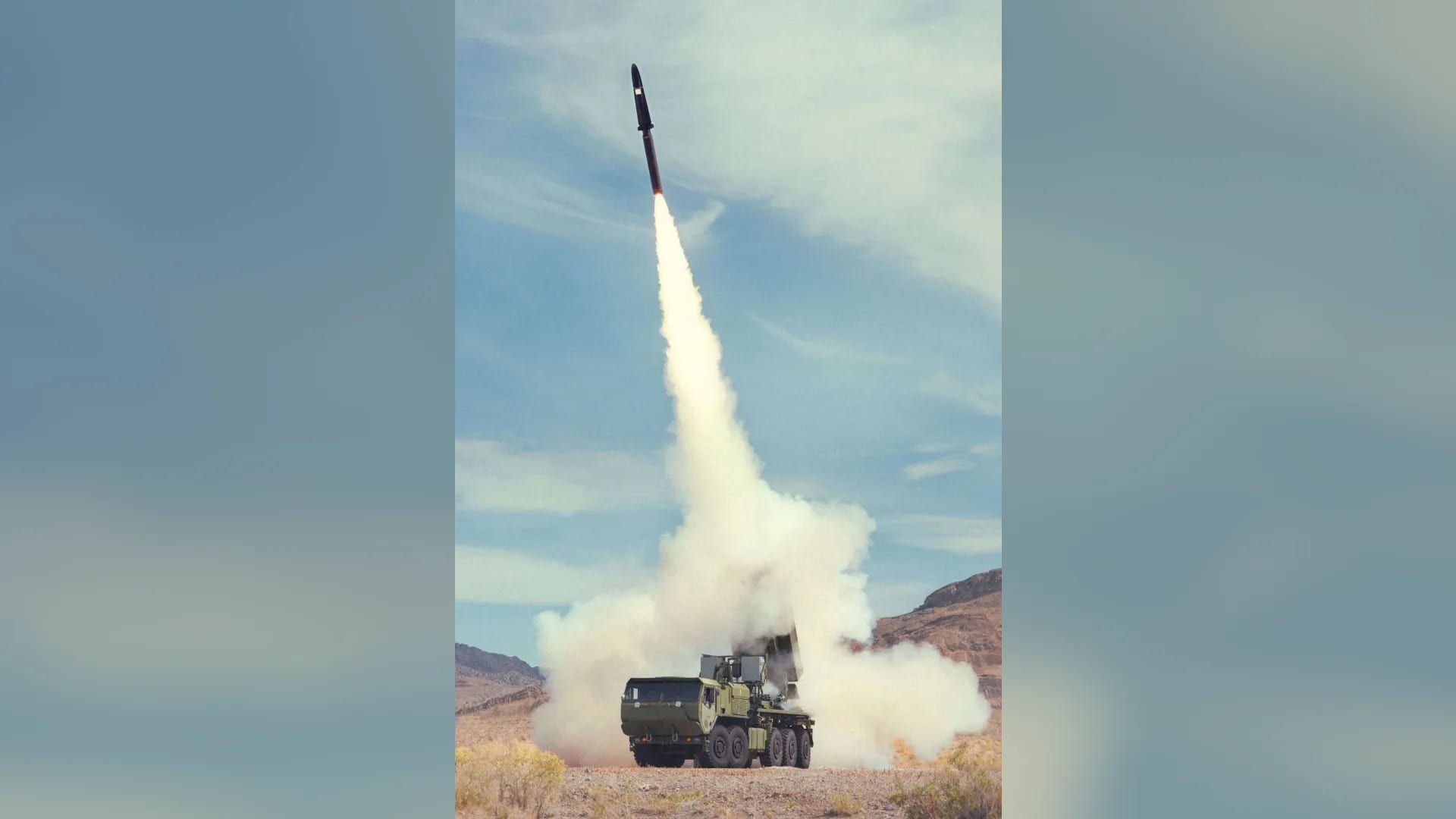
The next franchise is not being handed to anyone. On 29 September the Army signed five prototype agreements for Precision Strike Missile Increment 4, a 1,000-kilometre-plus weapon fired from HIMARS at moving ships, with Anduril$124.31B — Anduril, private, latest valuation $124.31B, Castelion~$1B — Castelion, private, latest valuation ~$1B, Lockheed Martin−1.11% — Lockheed Martin, down 1.11 percent today [LMT], Mach Industries~$570M — Mach Industries, private, latest valuation ~$570M and RTX [RTX] 458. No award values were disclosed 4. A competitive fly-off and down-select are set for fiscal 2027, follow-on work for fiscal 2028 45.
Lockheed keeps the present: up to $1.2 billion for Increment 2 production signed 21 September 4, on top of an Army plan to buy 1,000 Increment 1 missiles a year through fiscal 2032 5. Castelion, one of the venture-backed three, carried its Blackbeard hypersonic missile on a Super Hornet at Patuxent River on 18 September, a carriage test on the road to early operational capability 67.
The money is the part Congress has not signed
None of the ceilings is appropriated. A continuing resolution is expected to hold into early December with no fiscal 2027 defense budget 1. RTX holds the only signed sole-source ceiling and a disclosed ramp 13. Lockheed holds production while its next missile is contested 4. Anduril, Castelion and Mach hold prototype wins with no disclosed prices and no public marks 45. The announcements set the demand; the appropriations set the revenue.
Get Robotics & Defense by email, free
Robots, self-driving vehicles, drones and AI in defense. In our daily email, every weekday.


Reader comments
0 comments