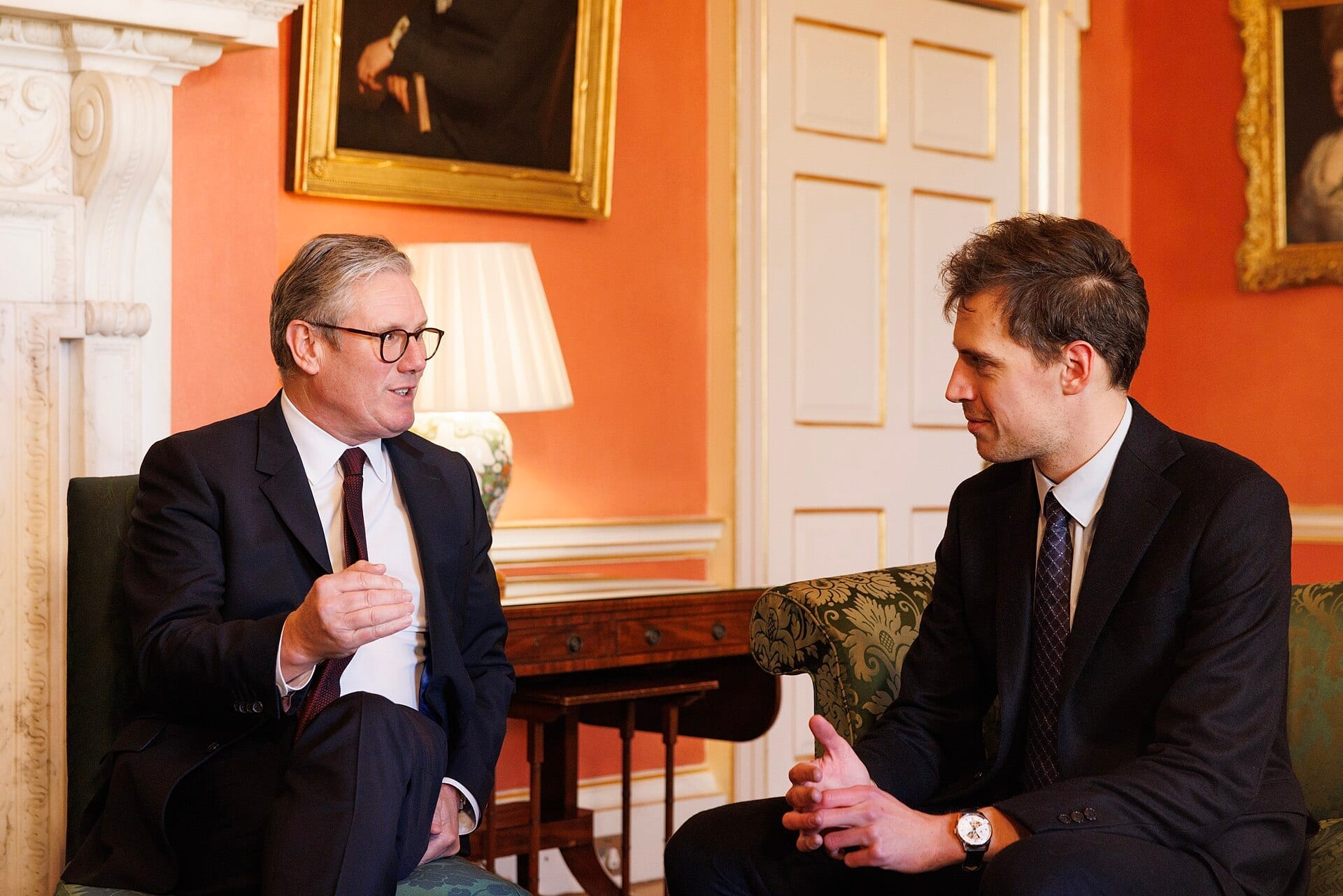
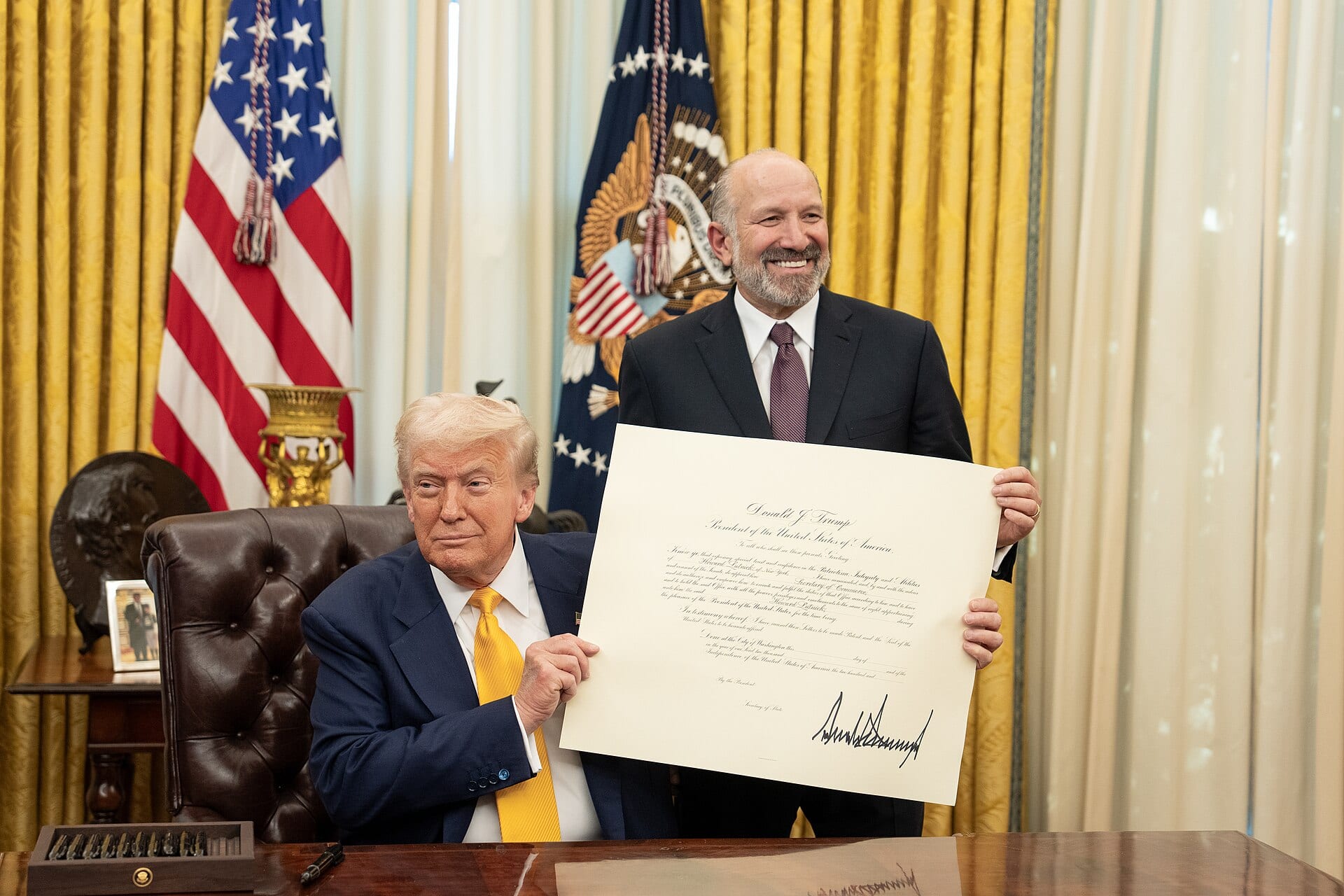
Sen. Tom Cotton asks Commerce to blacklist CXMT, which could cost Apple a memory supplier
The Arkansas Republican's Entity List letter seeks the first rule that would actually stop U.S. firms from buying ChangXin's memory, something the administration has lacked since it objected in August. If it lands, Apple and European data centers lose their cheapest DRAM, and Micron, Samsung and SK Hynix keep the field.
 Richard Tangthree-minute read

Sen. Tom Cotton of Arkansas asked Commerce Secretary Howard Lutnick today to put ChangXin Memory Technologies−2.61% — ChangXin Memory Technologies, down 2.61 percent today on the department's Entity List, the blacklist that bars U.S. companies from doing business with a firm and cuts it off from American technology 1. The letter aims at the ladder CXMT is actually climbing: AI-server memory built from ordinary chips, not the high-bandwidth memory it still cannot make at yield.
CXMT found a way into AI servers that skips HBM
The company, China's largest maker of DRAM, the workhorse memory in computers and phones, told the Chinese business outlet Blue Whale Finance this week that its DDR5 dies have reached 32 gigabits and that its top server module claims the highest speed class of the MRDIMM standard 2. MRDIMM is the side door: a small controller chip drives banks of ordinary DDR5 fast enough for AI servers, replacing the vertical die-stacking that defines high-bandwidth memory, or HBM 2.
That stacking is exactly where CXMT fails. Reuters reports its first HBM, called HBM3E, enters limited production within two months at yields of 20 to 30 percent 3. SK Hynix−4.15% — SK Hynix, down 4.15 percent today, the market leader, runs near 70 3. MRDIMM lets CXMT sell into AI-server demand with the commodity dies it already makes well.
Washington has an opinion about Chinese memory. It still has no rule
Lutnick said in August that the administration is "not in favor" of Apple+0.02% — Apple, up 0.02 percent today buying Chinese memory and had told the company so plainly 5. But commodity parts bought off the shelf need no export license, which is why HP−0.47% — HP, down 0.47 percent today and Acer already ship CXMT memory in products sold outside the U.S., and why Apple, reported in August to be weighing CXMT for iPhones and Macs during the AI-driven shortage, stayed free to sign 51.
An opinion was never going to stop a purchase. Only the Entity List does that, and Apple's early-summer request for assurance that CXMT would stay off the list already got its answer: no 5. Micron−2.60% — Micron, down 2.60 percent today lobbied for exactly this outcome, with about $250 billion of U.S. expansion behind it 5.
Apple and European buyers would pay; the HBM three are protected
If the listing lands, Apple loses a supplier it has been testing, and the European data centers Citi−0.17% — Citi, down 0.17 percent today calls the realistic channel for CXMT's server memory lose the cheap option 52. Micron, Samsung and SK Hynix, the only three HBM makers, keep the commodity field to themselves 1.
Micron's quarterly revenue rose sevenfold as the memory shortage ran
Data
| Micron revenue | |
|---|---|
| Q3 '24 | $7.75B |
| Q4 '24 | $8.71B |
| Q1 '25 | $8.05B |
| Q2 '25 | $9.3B |
| Q3 '25 | $11.32B |
| Q4 '25 | $13.64B |
| Q1 '26 | $23.86B |
| Q2 '26 | $41.46B |
| Q3 '26 | $54.23B |
The threat the market keeps repricing arrives slowly
October's global memory rout was set off by a CXMT roadmap with no specifications and no qualified customer 7, and it priced the wrong end of the company. CXMT's slice of world DRAM revenue more than doubled in a year before slipping back last quarter as Samsung ramped 12, a climb we charted when the third-quarter numbers landed. The cash underneath did not slip: $8.1 billion of third-quarter profit, earned on the shortage 4.
CXMT's share of world DRAM revenue more than doubled in a year, then slipped
Data
| CXMT share of world DRAM revenue | |
|---|---|
| Q2 2025 | 4% |
| Q1 2026 | 8% |
| Q2 2026 | 10% |
| Q3 2026 | 9% |
If Lutnick writes the rule, the moat holds and buyers outside it pay more for every AI server they build. If he does not, CXMT keeps climbing on shortage profits. Micron, the only U.S.-listed memory pure-play, closed near $811 today; BofA's−0.20% — BofA, down 0.20 percent today October target is $1,550 2. The fight is not in high-bandwidth memory yet. It is in the commodity memory that pays for it.
Get Policy & Labor by email, free
The rules governments write for AI, and what AI does to jobs. In our daily email, every weekday.