Technoprobe, 10% owned by Teradyne, guides 2026 revenue up nearly 70% with no bank debt
The Italian probe-card monopolist behind Nvidia and TSMC wafer testing raised guidance twice and says it can survive a crash, on the same day its 10 percent shareholder Teradyne posted a record AI quarter and guided flat.
 Vincent Jiang · 3 min read
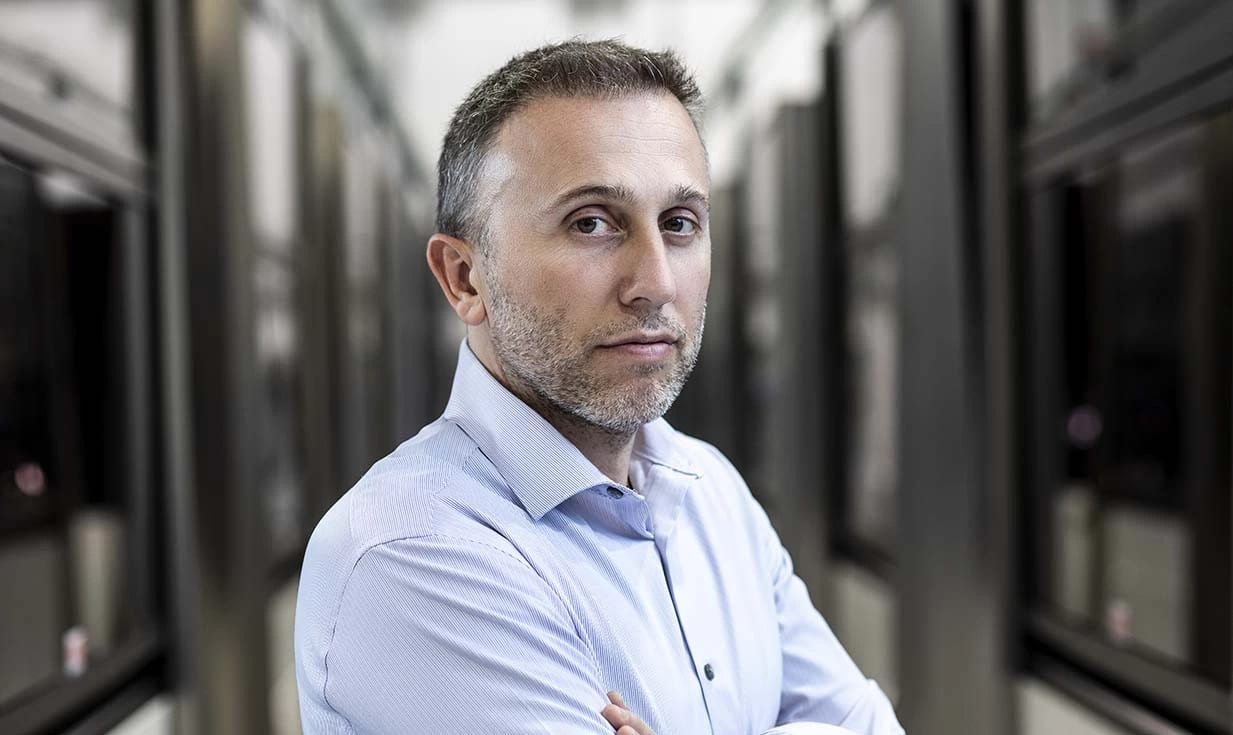
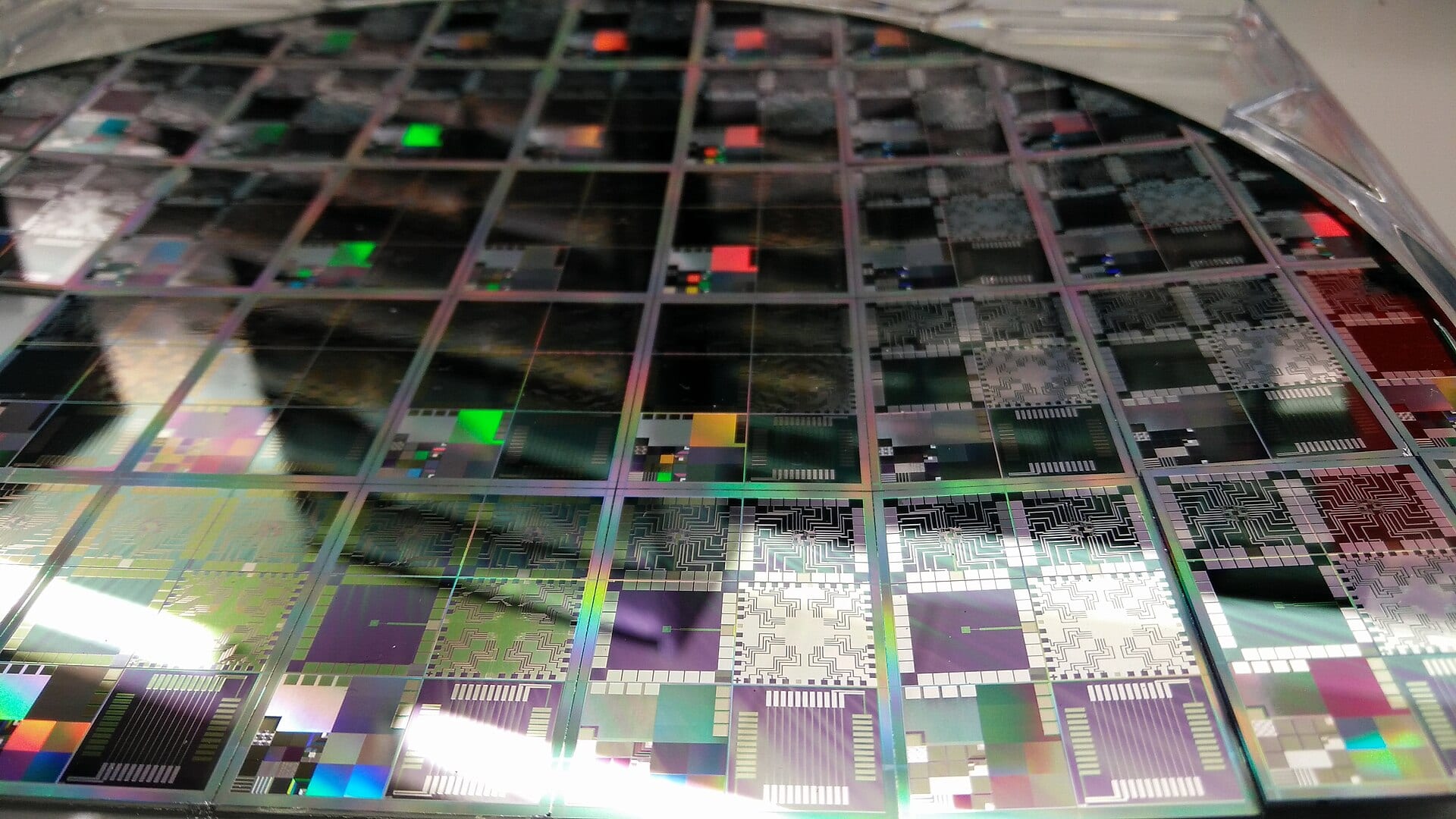
Stefano Felici runs the company every AI chip must pass through before it ships. His Technoprobe+3.36% — His Technoprobe, up 3.36 percent today, founded in 1993 in a garage in the Lecco area of Italy, makes the probe cards used to test wafers for Nvidia−0.25% — Nvidia, down 0.25 percent today, Intel+0.19% — Intel, up 0.19 percent today, Apple−0.28% — Apple, down 0.28 percent today, Samsung and, above all, TSMC+0.44% — TSMC, up 0.44 percent today 1. In an interview published on October 27, the CEO put his own market share at an average 60 to 70 percent and said the group is "ready to face even the bursting of the AI bubble": no bank debt, all investments funded from cash 1.
The confidence rests on the fastest guidance in the sector. Technoprobe expects 2026 revenue of €1.05 to 1.10 billion, up almost 70 percent, with an EBITDA margin of 46 to 48 percent, revised upwards twice in a year 1. A $350 million budget for R&D and capacity runs to the first half of 2027 1.
There is also a geopolitical bet. A $35 million China deal raises a local partner's stake in its DIS subsidiary to 30 percent, an attempt to become "a strategic supplier" in a country where Technoprobe was "not a priority" under US-China trade tensions 1.
The shareholder testing its own thesis
Here is the wrinkle. Teradyne−4.18% — Teradyne, down 4.18 percent today, the US tester maker that holds 10 percent of Technoprobe 1, reported its own record AI quarter on October 27: $1.306 billion of revenue, up 70 percent year on year, with record memory and integrated-systems test revenue. Yet its fourth-quarter guide of $1.250 to 1.350 billion merely straddles the third quarter, no repeat of the jump 3.
The same release shows the cost of the boom: $336 million of cash absorbed into inventories and prepayments in one quarter, against modest asset builds a year earlier 3.
Teradyne's AI test boom: four quarters of jumps, then a flat Q4 guide
- Teradyne revenue
- Estimate
Data
| Teradyne revenue | |
|---|---|
| Q3 '25 | 0.77B |
| Q4 '25 | 1.08B |
| Q1 '26 | 1.28B |
| Q2 '26 | 1.33B |
| Q4 '26 guide (estimate) | 1.3B |
The bull case Felici himself cites
The counterweight is demand, and it is dated. The same Milan trading session that put Technoprobe in the spotlight ran on SK hynix results confirming DRAM and HBM volumes virtually sold out until 2029, with a memory shortage expected to persist to 2030; analysts at Banca Akros read the whole test-equipment chain as favored 2. Teradyne also agreed on October 12 to invest $300 million in FormFactor, the other probe-card leader, a consolidation of the consumable layer its own flat guidance quietly questions 4.
Felici splits both camps: client announcements from Nvidia to AMD+1.56% — AMD, up 1.56 percent today are "very bullish", yet "it is impossible for the market to keep growing at this rate forever", and a pause would be a chance to push R&D harder 1. Shareholders who bought at the September FTSE MIB-promotion high of €38.10 have already given back a third of the price at around €25; whoever buys the dip is betting the man with no debt priced the correction correctly 1.
Get Chips by email, free
How AI demand is reshaping chipmakers, memory and the fabs behind them. In our daily email, every weekday.