Zhongji Innolight reports Thursday down 50% with full 2027 orders and a reported US import ban
Zhongji Innolight, the world's largest optical transceiver maker, reports Q3 on October 29 down more than 50 percent from its record high, with full 2027 order books on one side and Nvidia's Taiwan-only partner list plus a possible US import ban on the other.
 Vincent Jiang · 3 min read
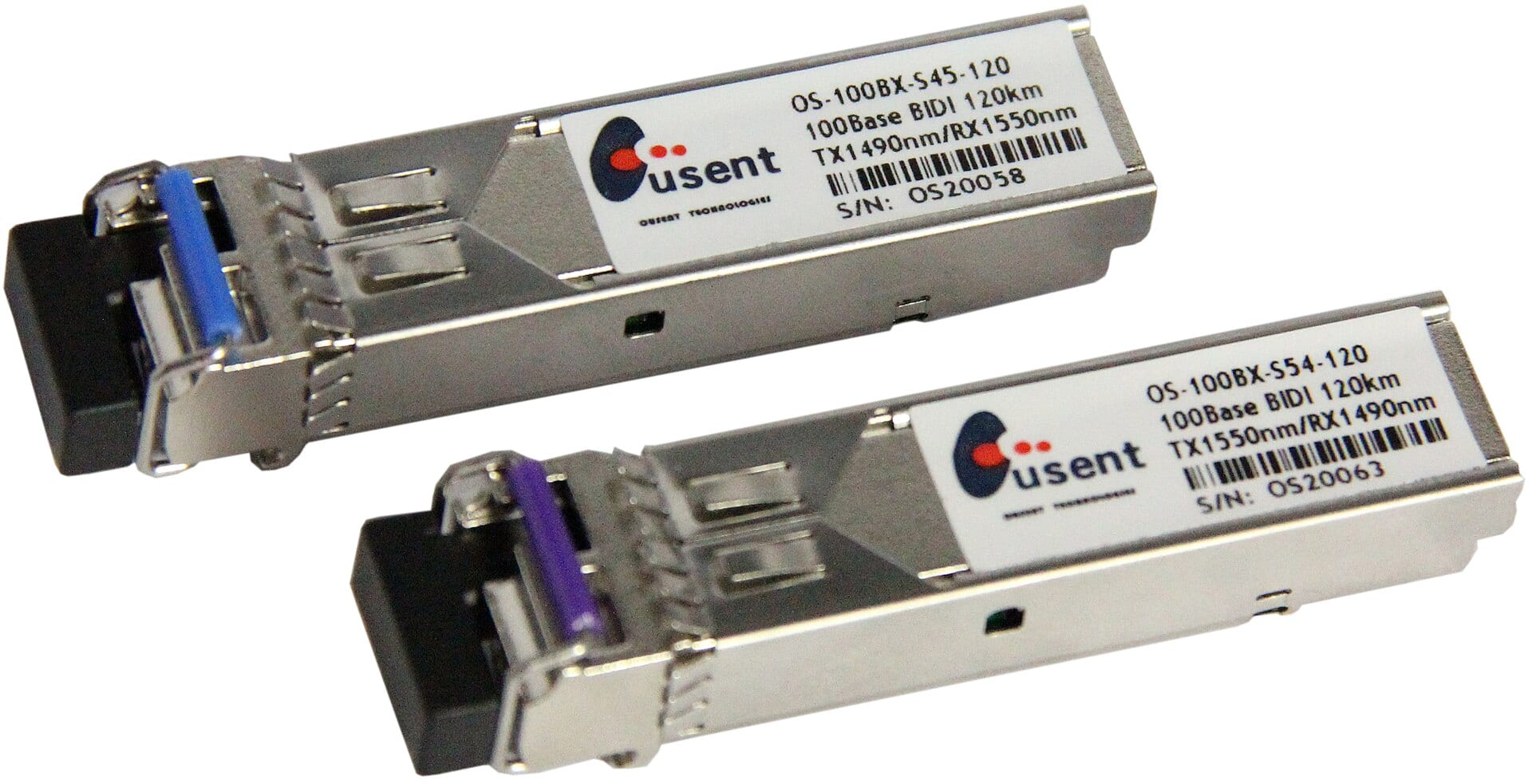
Zhongji Innolight+10.28% — Zhongji Innolight, up 10.28 percent today, the world's largest maker of optical transceivers, reports third-quarter results on Thursday, October 29, with the stock down more than 50 percent from its record high on Bloomberg's count 1 and about 60 percent off its peak on Decrypt's 2. The two figures are measured from different points, but they agree on the shape: one of the AI trade's core suppliers is deep in drawdown two days before it reports.
The company sells about 95 percent of its product overseas 3, into the same US data centers whose spending the market now doubts. Its first-half attributable net profit rose 241.70 percent year on year on shipments of 800G and 1.6T modules 3. Yet in the month to October 23 the shares fell 37.19 percent, and its peer Eoptolink lost 43.51 percent 3. The defenses the companies raised did not hold the price.
Three shocks hit in three weeks
On October 22 Nvidia−0.25% — Nvidia, down 0.25 percent today named Taiwanese partners for a fifteenfold optical-engine capacity build by mid-2027 4. No mainland company appeared on the list, and the market read it within hours: Innolight lost 8.8 percent that day, Eoptolink 12.3 percent. 4
Washington's move came next. The Trump administration is reportedly drafting a ban on US imports of new Chinese optical transceivers 5. Chinese firms supply roughly two-thirds of global units by volume, and Counterpoint Research judges that Western rivals lack the cleanroom capacity and packaging scale to absorb that volume within 12 to 24 months. 5
The third shock was the tape itself. Mainland stocks have lost about 2.4 trillion dollars since May 2; the STAR 50 fell 40 percent in under four months, erasing some 480 billion dollars, and still trades near 100 times earnings against roughly 30 for the Nasdaq 100 2. AI companies are 42 percent of Chinese market value and 57 percent of trading, per Goldman Sachs+1.42% — Goldman Sachs, up 1.42 percent today. 2
The mainland AI hardware selloff, measured from each peak
Data
| Value | |
|---|---|
| Innolight | -60% |
| Eoptolink | -60% |
| STAR 50 | -40% |
| CSI 300 | -20% |
The defense ran for a day
At noon on October 23, five Shenzhen-listed optical companies issued announcements in the same moment: production normal, order books full 3, overseas clients placed 2027 orders and some gave demand guidance into 2028 3. The ChiNext flipped from about minus 3 percent to about plus 2 percent intraday. 4
The reversal ran on short covering, not new money, and Innolight closed lower again on October 26. 4 Meanwhile the buyers kept borrowing. SpaceX−2.57% — SpaceX, down 2.57 percent today closed 40 billion dollars of debt financing to purchase GPUs arriving in the first and second quarters of 2027 3, and Meta's−1.04% — Meta, down 1.04 percent today third-quarter free cash flow turned negative at 2.12 billion dollars, its first negative quarter in more than a decade. 3
What Thursday settles
Camp one holds that China's AI hardware is bubble collateral priced near 100 times earnings 2. Camp two holds that full order books and 241.7 percent profit growth are being given away 3. The print is the first hard answer: hold orders and margins and the collapse looks like a mispricing; pause guidance and the Nvidia partner list, the US ban and the debt-funded buildout were early, not wrong. 13
Three lines on the 29th: revenue pace, guidance wording, and Nvidia's next list
Watch third-quarter revenue and margin against the 241.7 percent first-half pace 3, any wording change to the 2027 orders and 2028 demand guidance 3, and whether mainland names appear when Nvidia names partners for its next capacity phase 45. The 2027 order book should carry the quarter itself; the stock's direction from here depends on whether Nvidia's next partner list includes mainland names 4 and whether Washington finalizes the import ban. 5
Get Chips by email, free
How AI demand is reshaping chipmakers, memory and the fabs behind them. In our daily email, every weekday.