Tesla's 274-square-mile robotaxi map has 41% of Austin unbookable, at a 168x earnings multiple
Tesla's largest-ever day-one robotaxi map landed the same week independent address checks showed its advertised zones are 22 to 41% unusable, and shareholders are paying 168x forward earnings for the polygon, not the cars.
 Vincent Jiangthree-minute read
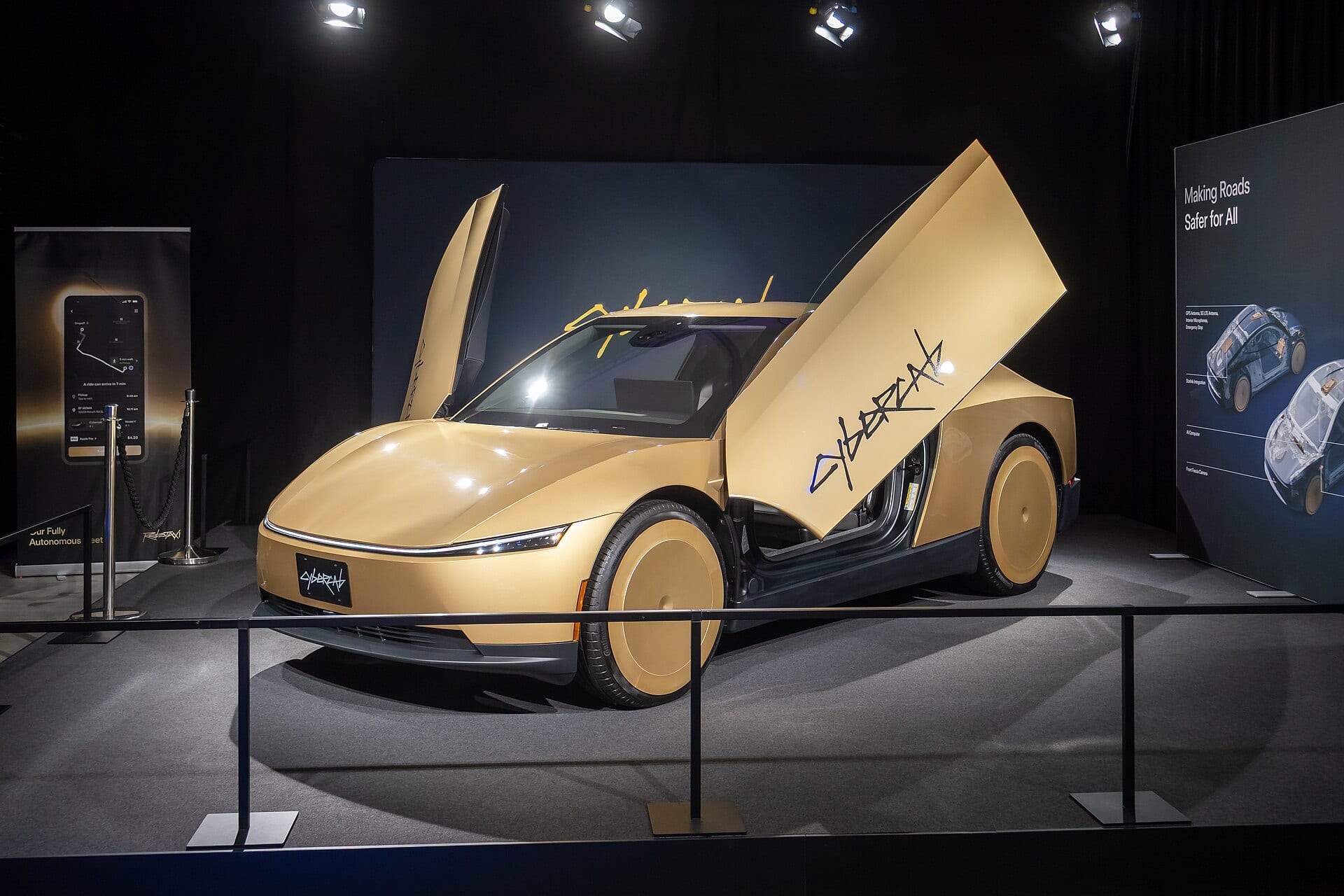
At 5 a.m. on November 9, 2026, Tesla+0.79% — Tesla, up 0.79 percent today began carrying paying riders with no one in the driver's seat in San Antonio, its eighth unsupervised Robotaxi city and its fifth in Texas 1. The launch map, posted just after midnight, is the largest day-one geofence Tesla has ever drawn: about 274 square miles covering roughly one million residents and 721,000 jobs, more than four times Waymo's 59-square-mile San Antonio footprint 1. The stock rose 5% on the news, closing in on a 168x forward earnings multiple against a five-year average of 108x 3.
The polygon is the easy part. Drawing a map costs Tesla nothing; staffing it with cars and keeping riders safe is where the money and the risk sit.
The map is not the service
Independent checks show a pattern: Tesla's advertised area overstates what the app will actually book. Koby Pierce, an independent tracker who tests thousands of real addresses in the Robotaxi app, has measured six cities and found bookable land between 59% and 78% of the advertised geofence 1.
In every city tested, less than 80% of Tesla's advertised map takes a ride
In all six cities tested, Tesla's real service area falls short of its advertised map
Data
| Value | |
|---|---|
| Austin | 59% |
| Miami | 61% |
| Orlando | 70% |
| Fort Worth | 72% |
| Houston | 74% |
| Dallas | 78% |
In Austin, the flagship market with 453 unsupervised vehicles, about 41% of the advertised map, mostly the east side, would not accept a pickup or drop-off 1. San Antonio carries the same asterisks from day one: the airport sits inside the polygon but is not served, and as of Monday morning no Robotaxi had even been logged on the city's streets 1. Waymo already runs airport trips there 1.
A small fleet carrying a big multiple
Fleet counts tell the scale honestly. Tesla runs 666 unsupervised vehicles nationally against Waymo's more than 4,000; outside Austin, fleets are tiny, 24 cars in Fort Worth and five in Miami 13. That is the base a 168x multiple leans on, with Tesla's operating margin down from 16.8% in 2022 to 2.6% in the third quarter of 2026 and analysts not expecting earnings to top 2023 levels until 2028 3.
Tesla's operating margin has run under 11% for two straight years and was 2.6% in Q3 2026
Data
| Operating margin | |
|---|---|
| Q4 '23 | 8.2% |
| Q1 '24 | 5.5% |
| Q2 '24 | 6.3% |
| Q3 '24 | 10.8% |
| Q4 '24 | 6.2% |
| Q1 '25 | 2.1% |
| Q2 '25 | 4.1% |
| Q3 '25 | 5.8% |
| Q4 '25 | 5.7% |
| Q1 '26 | 4.2% |
| Q2 '26 | 1.4% |
| Q3 '26 | 2.6% |
San Antonio is also the first US city where two fully driverless commercial services compete for the same riders, and Waymo arrives stress-tested, having survived an April flood that forced a fleet-wide software recall and a five-month halt before relaunching in September 4.
What to watch
Tesla expanded Austin to 443 square miles the same day, up 178 square miles since mid-September 1. The rate of map growth is now ahead of the rate of fleet and ride growth, and the gap between the two is the number that decides whether the multiple holds. Watch three readings: Robotaxi Tracker's car count per city, Pierce's bookable-area check on San Antonio, and whether robotaxi revenue appears in results by the second quarter of 2027, as Musk has indicated 3.
An earlier count of Tesla's Texas fleet by the Texas DMV and the sworn robotaxi answer behind Tesla's $30 billion credit line are covered in 5 and 6.
Get Robotics & Defense by email, free
Robots, self-driving vehicles, drones and AI in defense. In our daily email, every weekday.