Two prices for the same AI fear: Xero is discounted 58% while Sage prints a record high
UBS says the sell-off only makes sense if Xero never raises a price again, while peer Sage just printed a 52-week high. The November 12 results will show which of the two prices is wrong.
 Richard Tang · 3 min read
Two prices for the same AI fear are pointing in opposite directions. UBS published a buy note on Xero this week arguing the sell-off only makes sense if the company never raises a price again 12, while Sage, the closest listed peer selling accounting software to the same kind of small businesses, hit a 52-week high 3. Both cannot be right, and Xero's November 12 half-year results will show which of the two is wrong 123.
What the discount assumes
Xero, the cloud accounting platform for small businesses and their bookkeepers, trades at A$63.70, 58.69% below its 52-week high of A$154.26 2. UBS's math is the useful part: at that price, the market is assuming roughly 7% annual revenue growth over four years with zero growth in average revenue per user from FY27 1. That is not a cautious forecast, it is a claim that a company which has just started bundling AI into its plans will never charge more for it.
UBS's channel checks say otherwise: accountants and bookkeepers are risk-averse and stick with what they know 1.
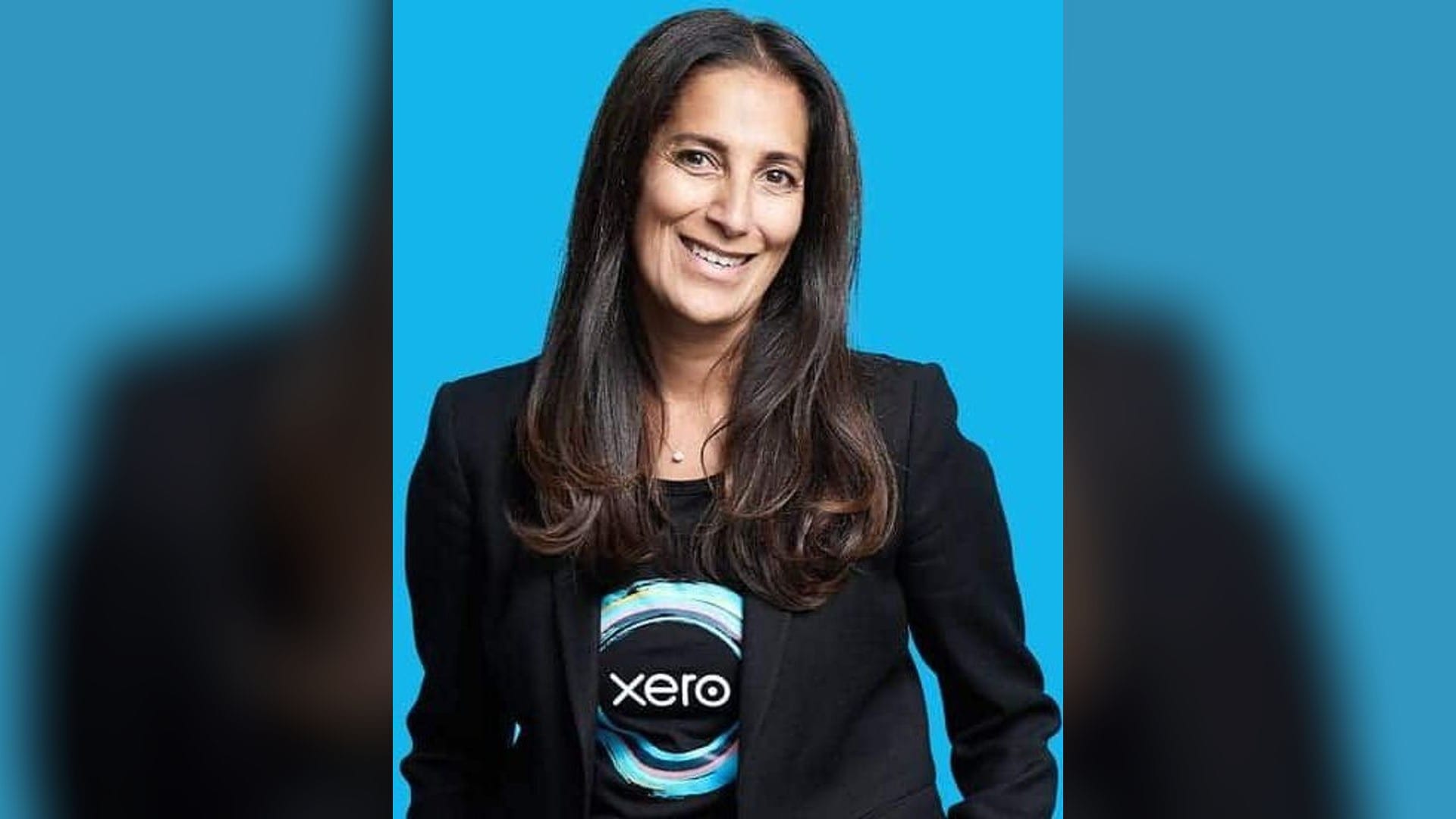
Xero's own record supports the defensiveness case. Its September slump took shares to a seven-year low with no profit warning or downgrade behind it, on an FY26 where operating revenue rose 31% and the customer base passed 4.9 million 56. The AI work is real, too: at Xerocon in August, CEO Sukhinder Singh Cassidy announced ChatGPT, Codex and Microsoft+0.64% — Microsoft, up 0.64 percent today integrations whose difference is the trusted accounting layer built on top of the models, and told the AGM that over 83% of Xeros use AI daily 14.
The control group
Sage sells cloud accounting, payroll and HR software to small and midsize businesses, largely the same buyer Xero serves. On October 22 it touched GBX 1,186.56, a 52-week high, up 3.7%, at a price-to-earnings ratio of 29.98 against Xero's 74.89 23. If AI genuinely threatens subscription accounting software, Sage's buyers should be running too. They are not, and Sage is adding to the AI bets with acquisitions of companies that help customers build AI applications 7.
The wrinkle worth holding: Sage's own analysts average a target of GBX 1,094.29, below the market 3. The sell side there is more bearish than the price; on Xero, UBS is far more bullish than the price. The market is paying full freight for one and demanding a deep discount from the other on nearly identical customer economics.
What decides it
Xero's FY27 half-year results land on November 12 6. The prints that matter are revenue growth and any sign of AI-driven pricing, the catalyst UBS itself names for a re-rate 1. If growth holds with business-as-usual price rises, the 7%-no-ARPU assumption breaks and the A$10.9 billion valuation has room to close toward the target 1. If growth slips, the bears were early rather than wrong.
The lesson for anyone watching the AI sell-off applies beyond one stock: fear repriced a software category on what AI might do, before checking what the risk-averse customers actually do. The gap between a model's capability and a customer's habit is where the value sits, and right now one of these two prices has not noticed.
Xero's price sits far below its high and far below UBS's target
- Estimate
Data
| Value | |
|---|---|
| 52-week high | A$154.26 |
| UBS target (estimate) | A$106 |
| Current price | A$63.7 |
| 52-week low | A$55.09 |
Get Platforms by email, free
The cloud, data and developer software AI is built on. In our daily email, every weekday.