Akamai's founder-CEO bought $2.6 million of its stock at $85.08, no trading plan
F. Thomson Leighton paid $85.08 a share in cash on the open market, with no trading plan, a day after Akamai closed $2.5 billion of 1% convertible debt. Every other claim on the company's upside starts above $102; his entry marks where the man running the AI build-out values the equity.
 Richard Tangthree-minute read

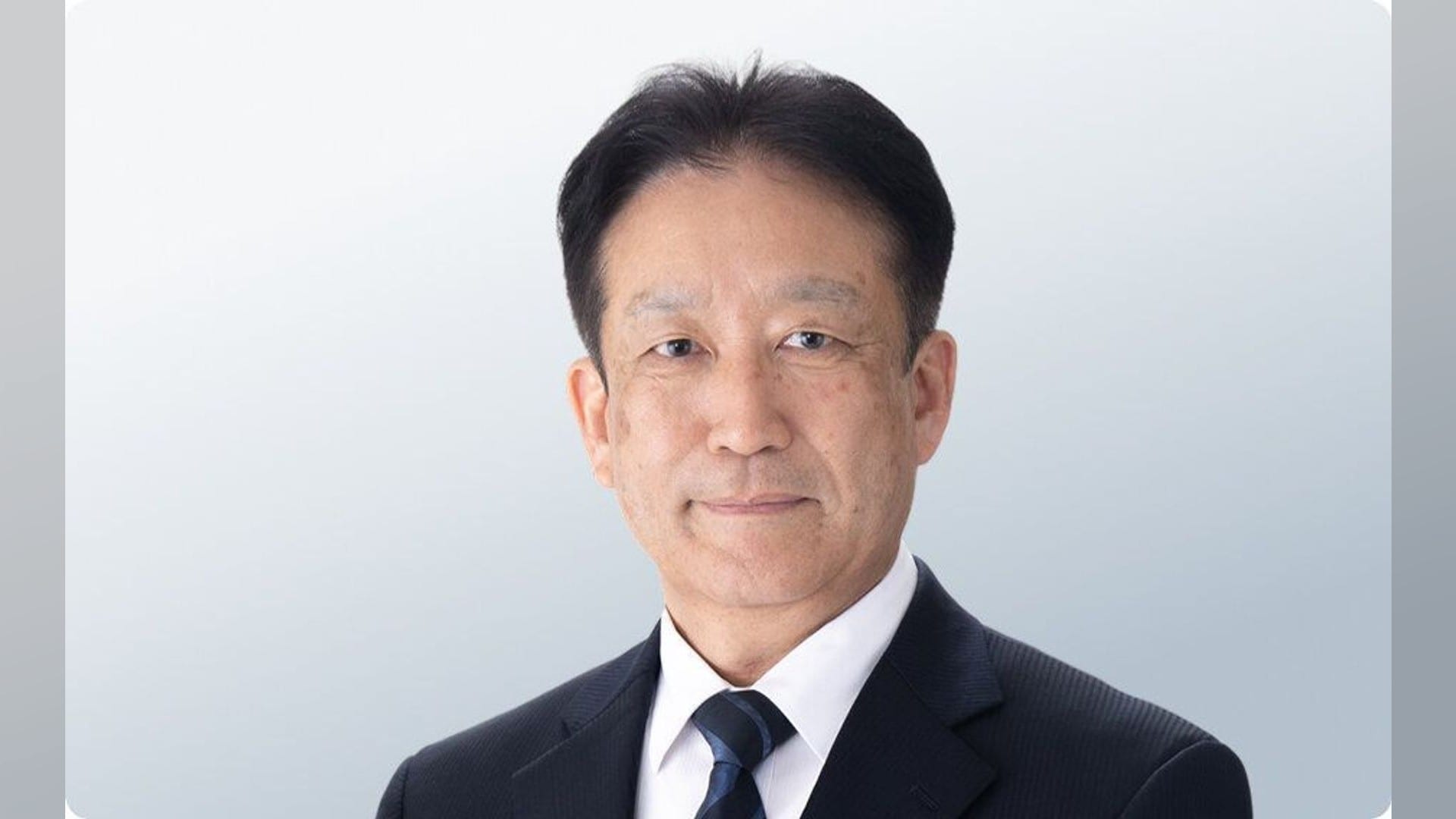
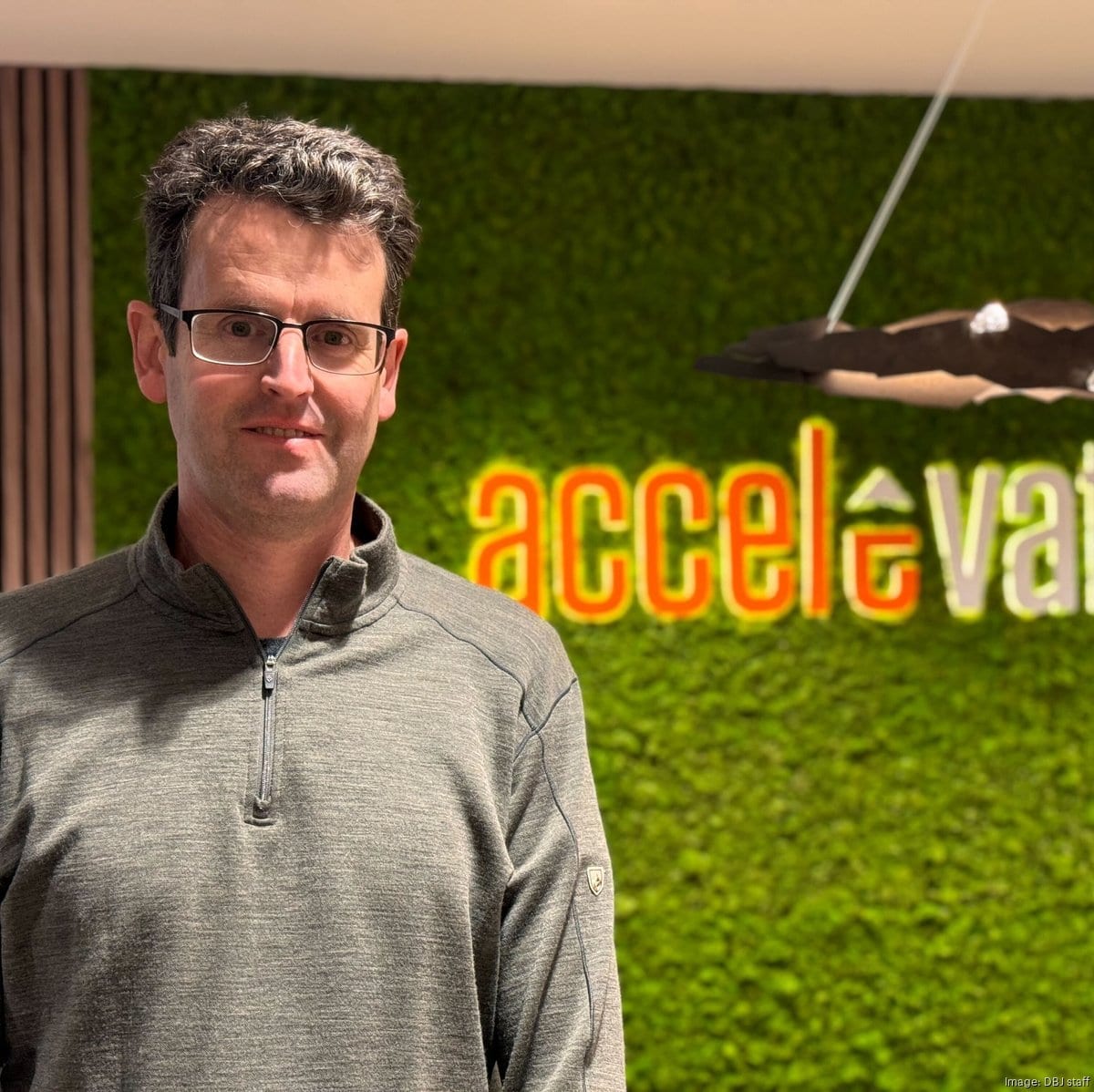
F. Thomson Leighton, who co-founded the cloud and security company Akamai−0.20% — Akamai, down 0.20 percent today and still runs it, bought 30,000 of its shares in the open market on November 13 1. The average price was $85.08, about $2.6 million of personal cash, and the Form 4 disclosing the trade was signed and filed the same day with no Rule 10b5-1 plan, the prearranged schedule executives normally trade on 1. The one participant in this capital structure paying full, unhedged cash for the equity is the man who knows whether the build-out behind it is on schedule.
The purchase was discretionary, and that is the information
Leighton bought through the revocable trust that holds most of his stake, in open-market purchases rather than option exercises 1. A buy this size is a footnote to what he already owns; the news is the timing and the missing plan, which together mark it as a decision made this week, in cash, at the market's price. It also landed in the quarter Akamai's own buyback went quiet: the company repurchased no stock in the third quarter, leaving its authorization unused while it raised money for the build-out 2.
Every other claim on Akamai's upside starts above $102
The financing his buy answers, which we priced earlier today, works like this: $2.5 billion of convertible notes at 1% interest, closed November 12 3. Of the proceeds, $284.4 million paid for a hedge against the lenders' conversion, partly offset by warrants Akamai sold to the deal's banks on the same shares 34. The notes convert at $102.37 and $112.41, the higher figure a 40% premium to the price on the day they were priced 4. Anthropic$350B — Anthropic, private, latest valuation $350B, the AI lab whose $11.6 billion, seven-year compute deal is what the money builds, holds its own warrant at $111.33 5.
The credit market was paid to want Akamai's upside; the founder paid cash to own the company.
Every door to Akamai's upside opens above $102
The founder paid $85.08 in cash; every other buyer was paid or protected
Data
| Value | |
|---|---|
| Close, 9 Nov | $80.29 |
| Founder's buy, 13 Nov | $85.08 |
| 2031 notes convert | $102.37 |
| Anthropic warrant | $111.33 |
| 2028 notes convert | $112.41 |
His cash underwrites a build-out that is already billing
The demand is contracted, not hoped for: Akamai's Cloud Infrastructure Services unit has signed more than $14 billion of multiyear commitments this year, two of the first three large deals are already generating revenue, and management expects CIS revenue to more than double in 2027 2. The cash leaves first: $1.7 billion in the fourth quarter for memory and components 32. A $1.15 billion convertible maturity lands next September 32.
That is why the corporate buyer stepped back and the founder stepped in. The next report has to show the build-out, the repayment and any buyback sharing one balance sheet. Until it does, the marker on this equity is the founder's entry price, and the claims above it belong to lenders who were paid to hold them.
Get Data Center by email, free
Who is building AI's data centers, and who is paying for them. In our daily email, every weekday.

Reader comments
0 comments