AST SpaceMobile, down 47% this year, faces a Viasat FCC objection and four carriers weighing their own bid
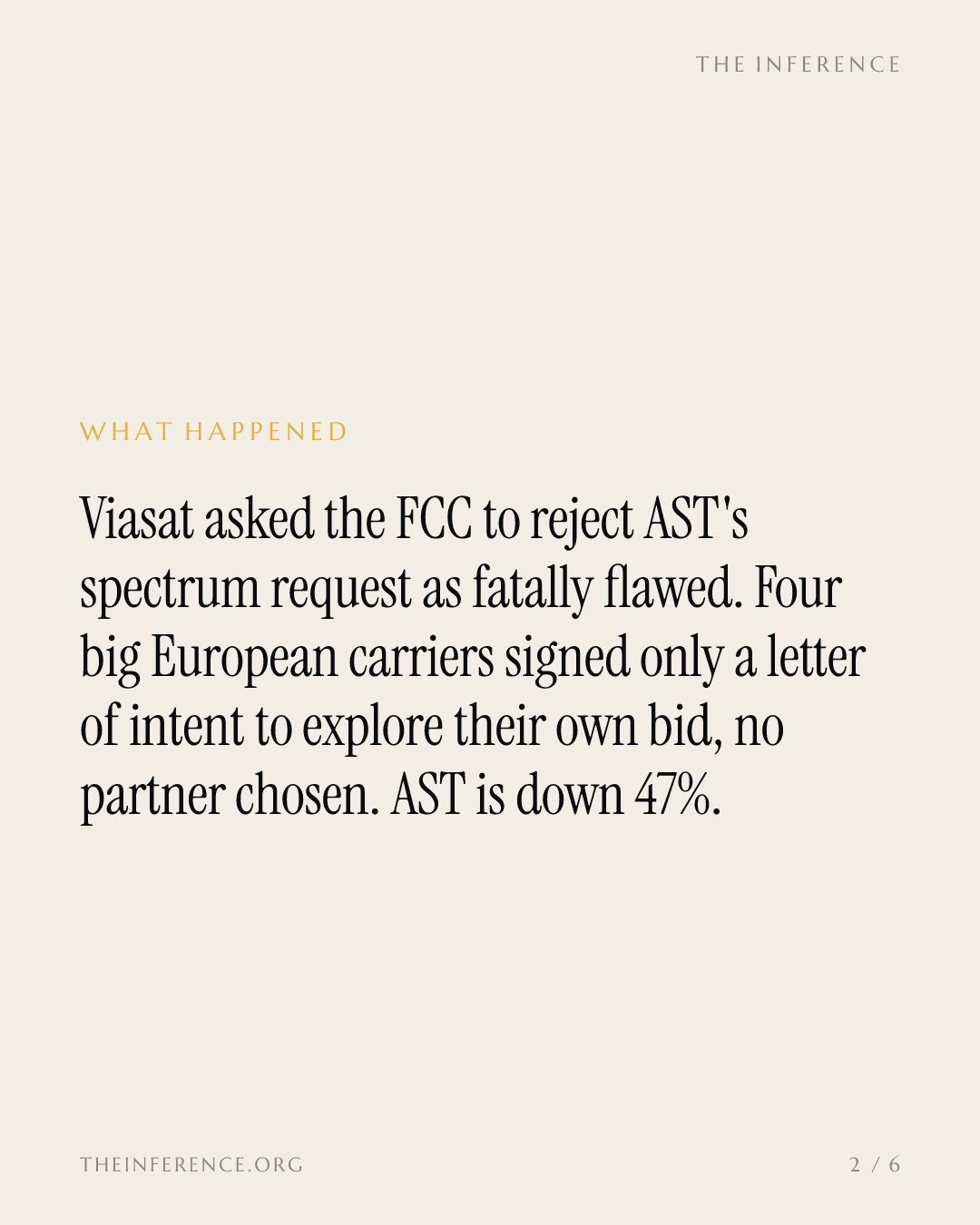
Viasat asked the FCC to throw out AST's overseas spectrum request, and four European carriers AST counts as partners signed only a letter of intent to explore their own satellite-spectrum bid, with no satellite provider chosen. The documentary record leans short; a dated year-end coverage milestone decides it.
 Richard Tangthree-minute read
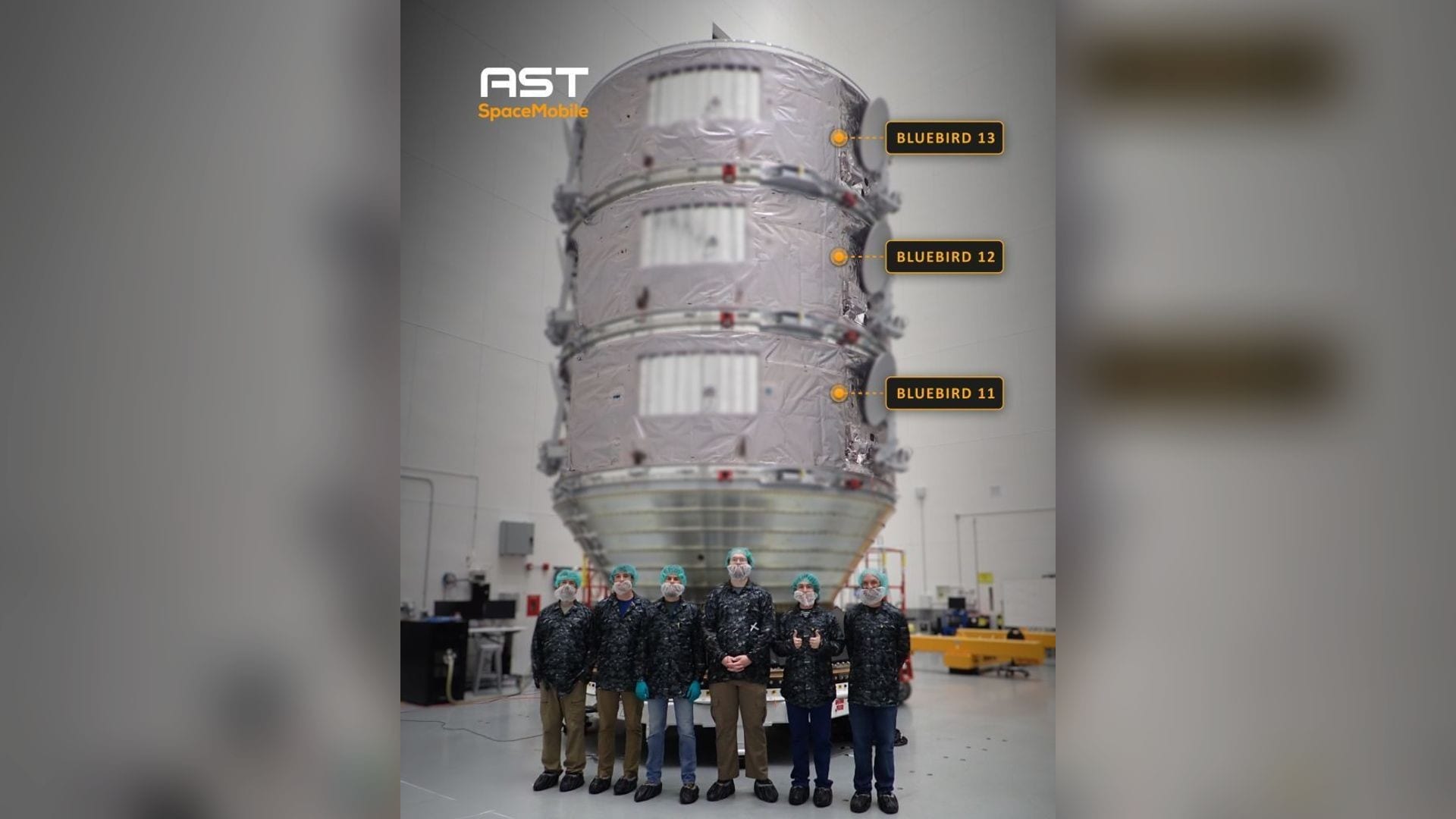
The moves that hit AST SpaceMobile−12.24% — AST SpaceMobile, down 12.24 percent today this week lean short, and for a documentary reason: the companies it needs as customers are choosing control over commitment. Viasat, a US satellite operator, asked the Federal Communications Commission to reject AST's overseas spectrum request as "fatally flawed," citing interference with its European Aviation Network in the 1980–1995 MHz band 1.
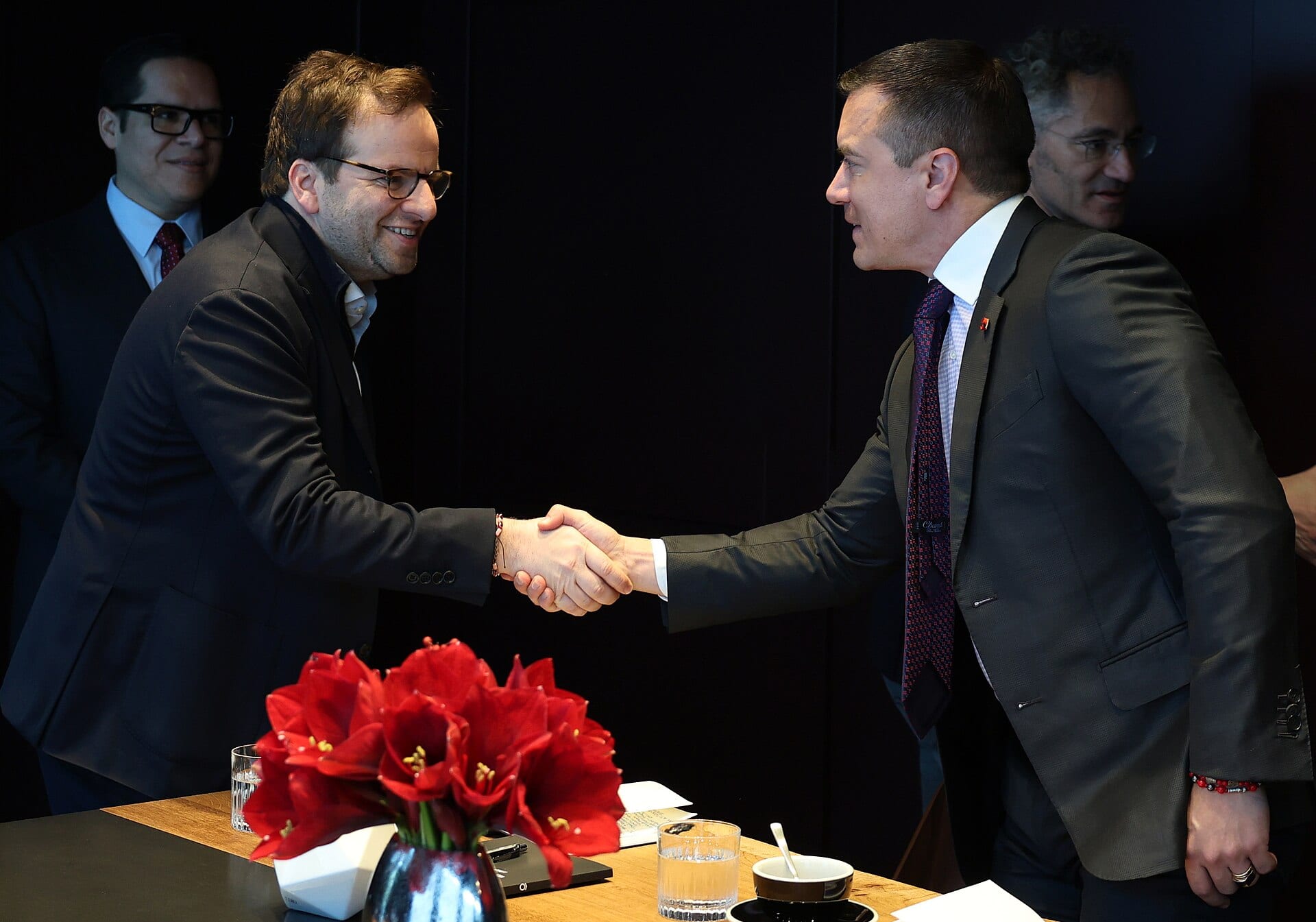
Deutsche Telekom, Orange, Telefónica and Vodafone, four of Europe's largest mobile operators, signed only a letter of intent to explore a joint bid for Europe's mobile-satellite spectrum, with the satellite partner still to be selected 2. AST, the listed pure play on connecting ordinary smartphones from space, fell on Thursday, October 22, for a third straight session, down 47% this year and squeezed by SpaceX's drive to become a fourth US carrier 3.
The satellite incumbent is up 71% this year; the phone-from-space pure play is down 47%
Data
| Value | |
|---|---|
| Viasat (VSAT) | 71% |
| Rocket Lab (RKLB) | -27% |
| Planet (PL) | -34% |
| AST SpaceMobile (ASTS) | -47% |
SpaceX's answer to the physics objection is to buy the ground
Mark Bayliss, a member of an FCC advisory council, framed the fork: SpaceX−1.13% — SpaceX, down 1.13 percent today could increasingly become the network, while AST could become the satellite layer used by existing networks 3.
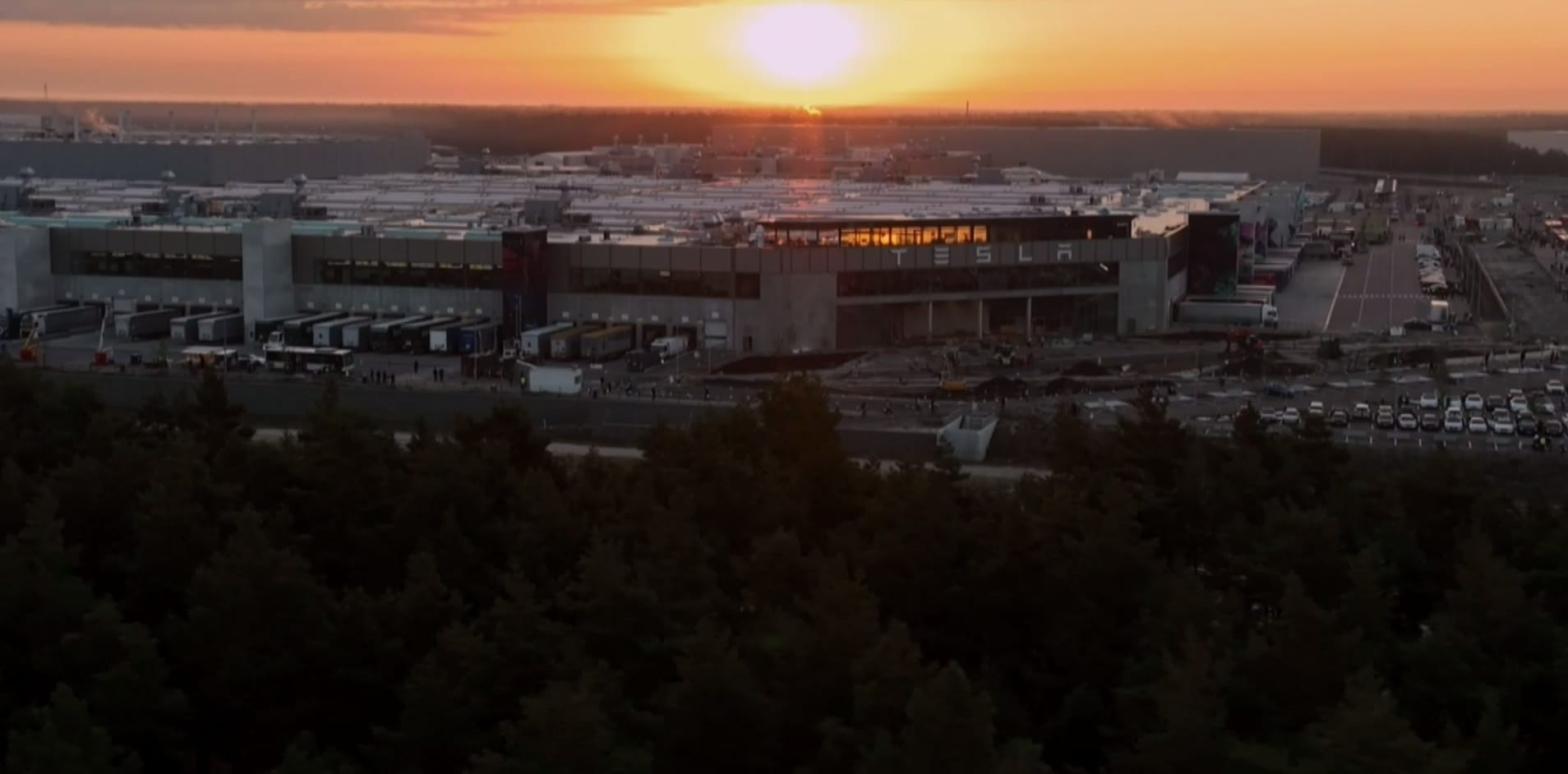
SpaceX is spending toward the first branch, in talks we covered as they lifted tower stocks to reach at least 80,000 US cell sites, including with the tower operator Crown Castle−1.62% — Crown Castle, down 1.62 percent today; the analyst firm TD Cowen prices that build above $80 billion 5. SpaceX can pay for much of it from inside: its AI business alone brought in $7.6 billion of revenue last quarter 4.
T-Mobile's finance chief, Pete Osvaldik, says even "a million satellites" cannot "break the fundamental laws of physics" 6. SpaceX's rebuttal is to buy its way past the objection: femtocells, small indoor base stations, inside buildings, and cell-site access everywhere else 65. Where carriers would rent a satellite layer from AST, SpaceX buys the pieces physics demands and owns the network that results.
Europe validated the satellite layer and left its seller contestable
The letter of intent is the bull case and the bear case in one document. AST welcomed it, calling the four signatories its own mobile network operator partners 1.
The operators want direct-to-device service, ordinary smartphones connecting straight to satellites, with ground infrastructure and coordination functions kept in Europe and no constellation of their own 2: precisely the layer AST sells through Satellite Connect Europe, its venture with Vodafone, which CCS Insight analyst Luke Pearce calls a credible contender 7. But the satellite partner is "still to be selected," and the operators say the bid "does not replace existing satellite partnerships" 2.
AST's own announcement still lists, among its risks, negotiating definitive agreements to supersede the preliminary agreements behind partnerships covering more than 3 billion subscribers 8. Rakuten, the Japanese carrier aiming at commercial service on AST satellites this quarter, is the committed exception; Japan's J-LEO disaster-resilience program stresses ownership and operating rights to safeguard communications in emergencies, and who controls the network mid-crisis is the point 3.
A dated milestone settles what the argument cannot
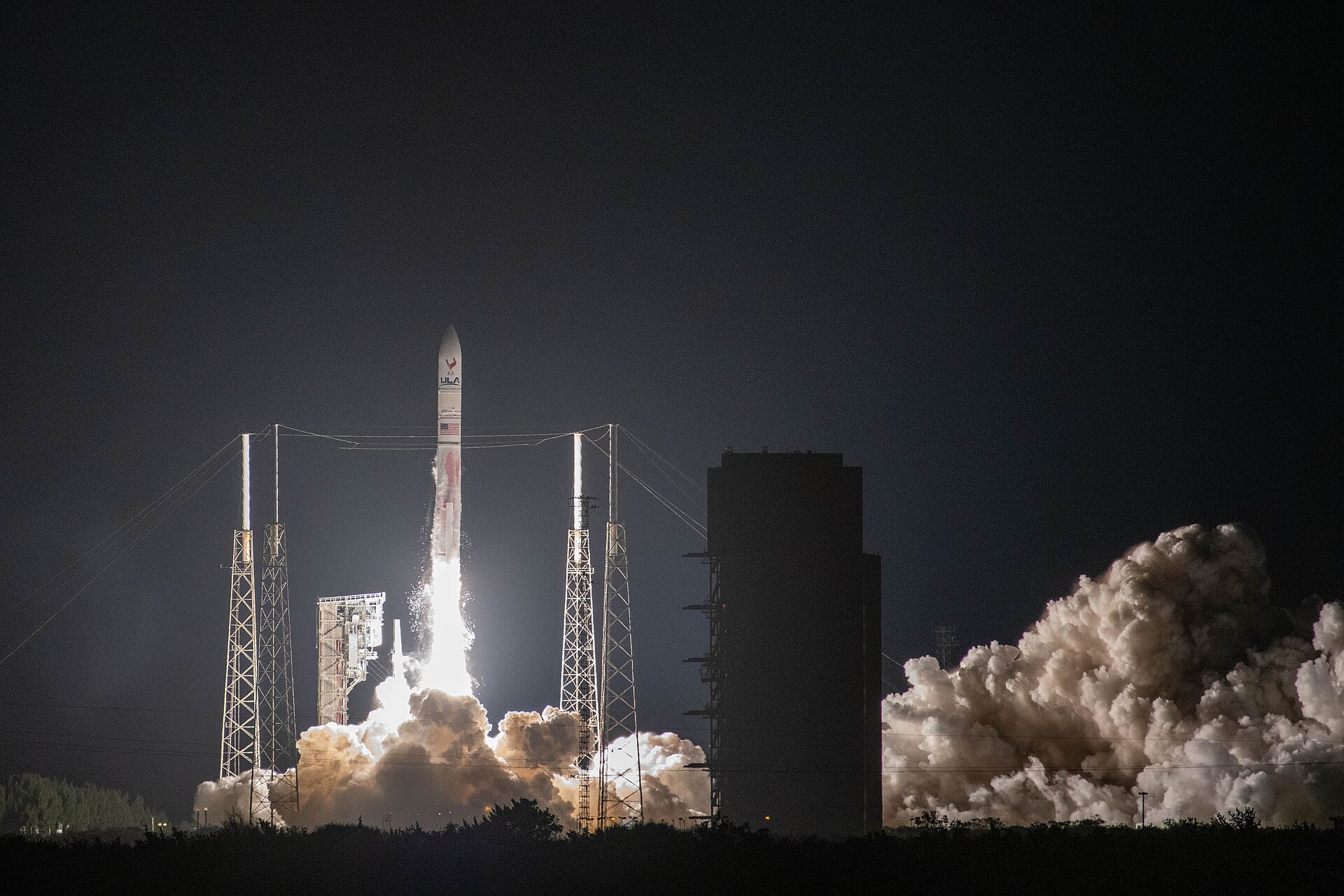
AST has enabled more than 3,000 US coverage cells; activating roughly 5,600, it says, is the prerequisite for initial, intermittent service in the US, Canada, Japan, the UK and Saudi Arabia before year-end 8. It has launched 13 satellites, against earlier guidance that about 25 were needed for intermittent US service, and the next launch schedule could come with third-quarter results on November 9, 2026 7.
The year-end milestone needs nearly twice today's cells and satellites
- In place today
- Needed for initial service
Data
| In place today | Needed for initial service | Change | |
|---|---|---|---|
| US coverage cells | 3,000 | 5,600 | +86.7% |
| Satellites launched | 13 | 25 | +92.3% |
The short case confirms on any of three: a missed year-end milestone, an FCC win for Viasat, or Europe naming another satellite partner 12. The bull case confirms on one, a carrier signed to a definitive contract 8. Until one lands, the evidence runs with the bears. The Stocktwits traders arguing that a fourth carrier forces operators toward AST have a trading view with no carrier commitment behind it, and the year-end milestone is the test 3.
Get Robotics & Defense by email, free
Robots, self-driving vehicles, drones and AI in defense. In our daily email, every weekday.
Reader comments
0 comments