NASA's safety panel counts 22 tanker flights for SpaceX's Starship; Musk says 6 to 8, Blue Origin waits
NASA has not picked between SpaceX's Starship and Blue Origin's Blue Moon Mark 2 for the first crewed lunar landing. Its safety panel now counts about 22 refueling flights per Starship landing; Musk says six to eight, and Administrator Isaacman lays out the timeline today.
 Richard Tang · 3 min read

NASA has not decided which lander carries the first Artemis astronauts to the lunar surface, and this week the deciding risk finally got a number. Charlie Precourt, a former astronaut speaking for NASA's Aerospace Safety Advisory Panel (ASAP) on October 22, 2026, said the last estimate for fueling a Starship lunar lander is "around 22" flights 1.
Elon Musk replied on X that the figure was "way too high" and the real count "more like 6 to 8" 2. Administrator Jared Isaacman lays out the Artemis schedule at Kennedy Space Center today 34. Between those two numbers sits the timing of the first crewed landing since 1972, and the split of NASA's lander business between two private companies 3.
The refueling count is really a flight-rate bill
Starship's lander must be topped up in Earth orbit by a depot ship fed by tanker flights, and moving cryogenic propellant between two spacecraft has never been demonstrated; only one Starship flight has reached orbit 56. At the panel's count, the tanker campaign for a single landing would exceed all fourteen Starship test flights to date, and even at twice-weekly launches by the end of 2027, filling the depot would take about three months 12.
By NASA's panel count, one landing's tanker flights top every Starship flight ever
- Estimate
Data
| Value | Range | |
|---|---|---|
| ASAP panel estimate, per landing (estimate) | 22 | — |
| Musk's claim, per landing (estimate) | 8 | 6–8 |
| All Starship test flights to date | 14 | — |
NASA's gate is an orbital propellant-transfer demonstration in early 2027 35. Musk's lower figure rests on newer, larger Starships carrying more propellant per flight, and November's Flight 15, which will attempt to catch both stages back at the pad under a return-to-launch-site license, is where the reuse that shrinks the bill gets built 12. Flight rate is the same constraint behind the orbital AI compute plans we sized up last week 12.
Blue Moon skips the tankers and inherits a grounded rocket
Blue Origin's Blue Moon Mark 2 uses no orbital refueling in its initial design; it launches on New Glenn and goes 24. NASA targets its uncrewed landing three months after SpaceX's, with the Mark 1 cargo lander booked for early 2027 3.
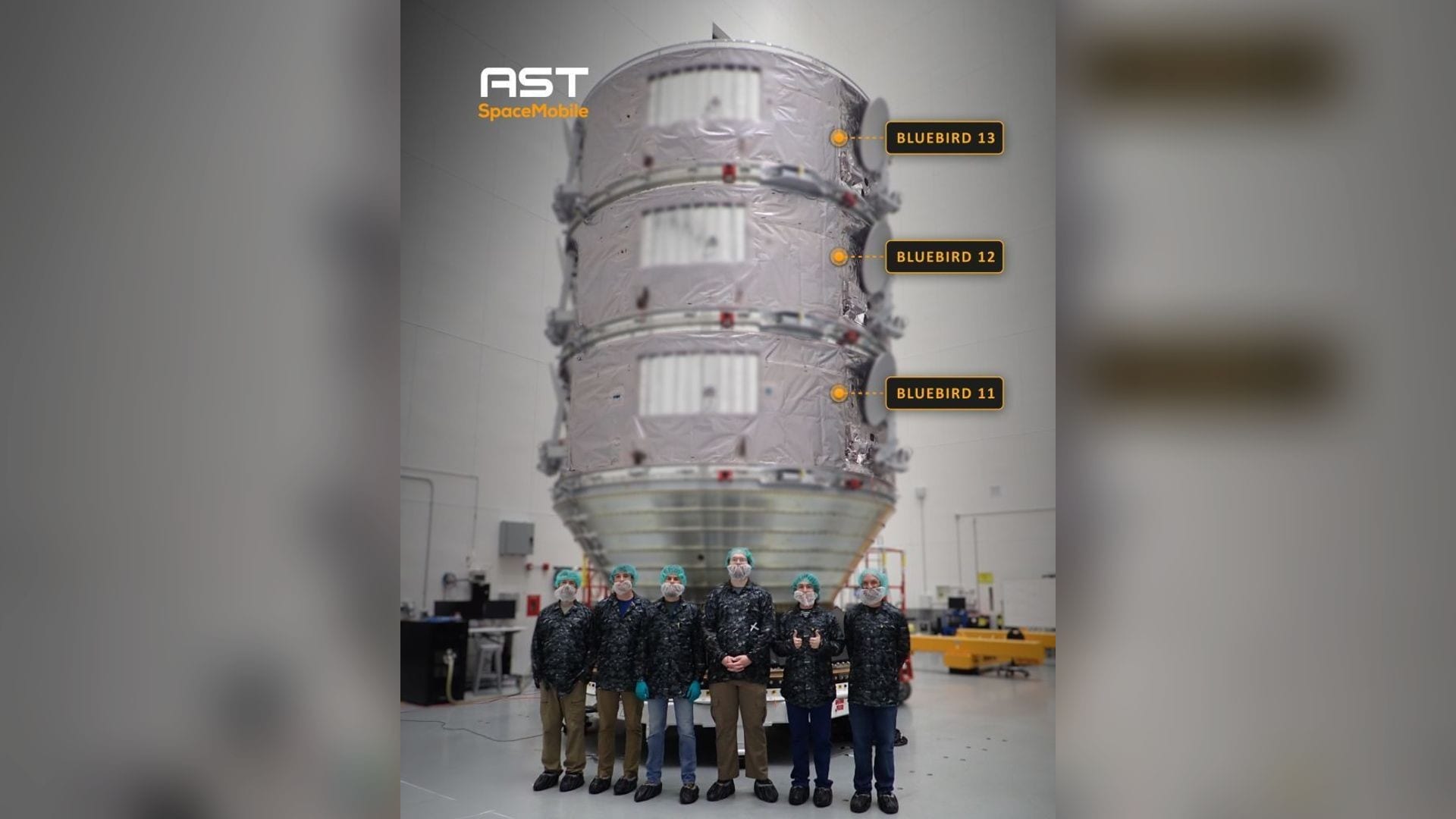
Its risk lives in the rocket below it: New Glenn has not flown since a May 28 pad explosion, Bezos is targeting a December return, and AST SpaceMobile+1.60% — AST SpaceMobile, up 1.60 percent today, a listed New Glenn customer, draws up its satellite deployment plan without counting on that 789. Blue Origin's $3 billion Florida expansion, including a factory sized for 150 upper stages a year, is a bet that cadence, not plumbing, is the binding constraint 7.
Early 2027 turns the argument into data
ASAP is about to formally recommend that NASA re-examine Artemis IV's objectives and potentially its architecture, and it notes NASA requires only one uncrewed landing test before crews board 5. The transfer demonstration settles the dispute the only way it can be settled.
If six-to-eight holds, Starship keeps its lead and the refueling gate never binds; if the panel is right, the gate sits on SpaceX's+1.77% — SpaceX, up 1.77 percent today schedule and NASA's undecided choice tilts toward the lander with no tankers 3. SpaceX is private, and retail traders already argue over it under the symbol SPCX, so the repricing lands first on holders of its cadence thesis 9. The next real number in this market will come from a tanker filling a ship in orbit.
Get Robotics & Defense by email, free
Robots, self-driving vehicles, drones and AI in defense. In our daily email, every weekday.