ASUS's 150% server growth just ran into a 32-server export-control problem
Chinese financing records name 32 ASUS servers fitted with Nvidia's restricted B300 chips inside a state-backed leasing deal covering more than 700 servers. Nvidia is investigating, and the finding lands just as ASUS moves PC production back into China and bets its year on server growth.
 Vincent Jiang · 3 min read
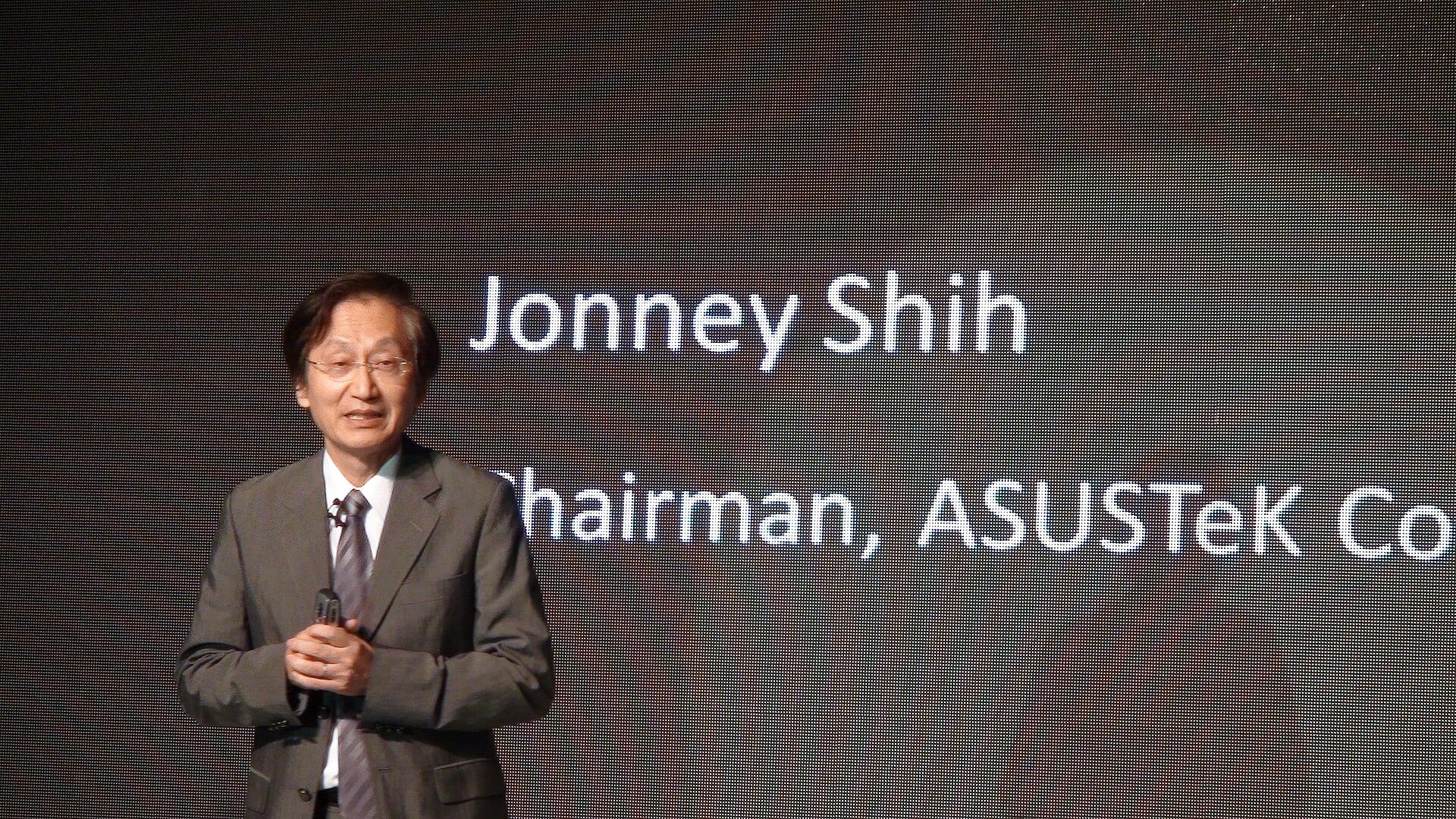
Thirty-two servers put ASUS in the file
Chinese financing records name 32 ASUSTeK+0.66% — ASUSTeK, up 0.66 percent today servers fitted with Nvidia's+1.50% — Nvidia, up 1.50 percent today B300, a Blackwell-class chip the United States effectively bars from export to China 1. The machines sat inside a larger arrangement of more than 700 servers bought by AI infrastructure developer Glory View Technology and financed through sale-and-leaseback deals with Semi-Tech Leasing Group, a lessor controlled by municipal governments in Shenzhen and Beijing 2.
Nvidia says it is investigating with its OEM customer, and ASUS says it complies with all applicable export laws 1. No enforcement action exists yet, which is exactly when this risk is cheapest to price.
The growth engine is the restricted product
Server revenue doubled year over year in the second quarter of 2026, and ASUS lifted its 2026 server growth target to at least 150 percent, company-claimed figures that accompanied a 230 percent jump in operating profit to TWD 19.6 billion 3. The B300 sits in the strictest US control category, ECCN 3A090.a, a presumption of license denial for China while the older H200 gets case-by-case review 4. The company's fastest-growing business is therefore the one product class a single adverse finding could freeze.
ASUS needs 150% server growth to outrun PC prices up about 40% this year
- Estimate
Data
| Value | |
|---|---|
| 2026 server growth target (estimate) | +150% |
| PC price rise 1H26, Taiwan | +30% |
| PC price rise 2H26, Taiwan, fcst (estimate) | +10% |
China carries the cost problem and the compliance problem at once
Nikkei reported in late October that HP, ASUS and Acer are moving some PC assembly from Thailand and Vietnam back into China, reversing the years-long "China+1" diversification as AI-driven component costs squeeze margins (single-source) 5. ASUS forecasts commercial PC prices in Taiwan rising nearly 10 percent in the second half of 2026 after surging almost 30 percent in the first half on memory and processor costs 6. Production is leaning back into China just as the China server demand carrying the growth story cannot legally be served with the best chips.
The money trail is state-backed, and the paperwork moved
The leaseback deals raised more than 3 billion yuan, about $450 million, for Glory View, and most of Semi-Tech's 11 billion yuan compute deployment points at a China Mobile computing hub in Ningxia 2. After initial scrutiny, Semi-Tech resubmitted filings to Chinese credit registries with hardware descriptions, supplier details and server model designations removed 27.
Enforcers are already inside this pattern: Taiwan indicted nine people in August over 130 diverted B300 servers, including a distribution manager at Nvidia's own Taiwan office, and gray-market B300 units trade at $40,000 to $60,000 against a $25,000 to $30,000 list price 4.
The defense is fair, and it does not close the file
ASUS is right that financing records are not export manifests, and that 32 machines named inside 700 establish no violation 1. But a state-linked lessor stripping hardware detail from its filings is the fact pattern regulators chase, and ASUS now sits in that file by name.
Two dates carry the verdict
ASUS reports results on November 10, 2026, where server guidance meets the probe's shadow 8. The US smuggling trial of a Super Micro−1.84% — Super Micro, down 1.84 percent today co-founder, scheduled to begin November 2, shows what this enforcement looks like when it matures 4. The tell is narrow: whether ASUS keeps its approved place on Nvidia's distribution whitelist, the gate that converts a pending B300 order into a sale 4.
Get Chips by email, free
How AI demand is reshaping chipmakers, memory and the fabs behind them. In our daily email, every weekday.