Centrus paid $116 million for its centrifuge casing maker as the stock hit a 52-week low
The only US company with a licensed centrifuge route to advanced-reactor fuel spent $116 million to own its casing supplier, and the stock hit a 52-week low the same week. The November 4 third-quarter report is the first reading on whether the build-out turns into enrichment revenue.
 Richard Tang · 3 min read
Centrus Energy−2.26% — Centrus Energy, down 2.26 percent today just bought the factory its uranium centrifuges cannot run without. On October 16, 2026, the American nuclear fuel supplier signed and closed the purchase of Westerman Holdings for about $116 million, mostly in cash, paying the trust that holds the company on behalf of its employees 1.
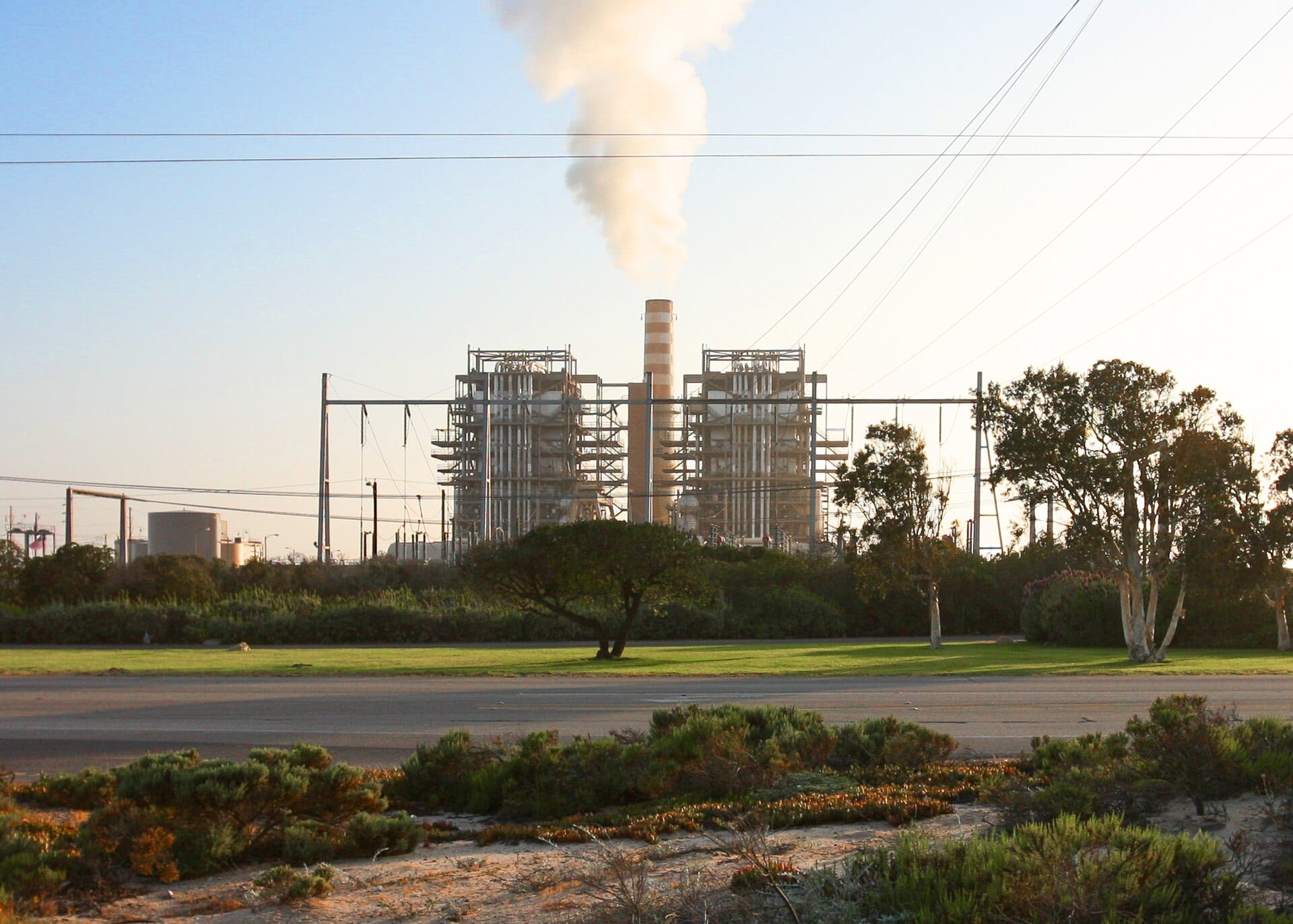
Westerman, founded in 1909, already fabricated the casings Centrus's centrifuges spin inside, and Centrus says owning it lowers project costs on its enrichment build-out 2. The deal buys certainty at the one link management controls. The market's fight is over a different link, and the first hard reading arrives on November 4 2.
The chain runs from an AI data center to a steel casing
Start at the power side. AI companies are signing long contracts for nuclear electricity because firm power has become a constraint on compute, and Google's agreement with Constellation this month underwrites 890 megawatts of upgrades at existing reactors 8. Downstream, nine of the ten designs in the Energy Department's advanced reactor program need High-Assay, Low-Enriched Uranium (HALEU), fuel enriched past what today's reactors take 9. The US does not yet make it at scale, and imports of Russian uranium become fully banned in 2028 9.
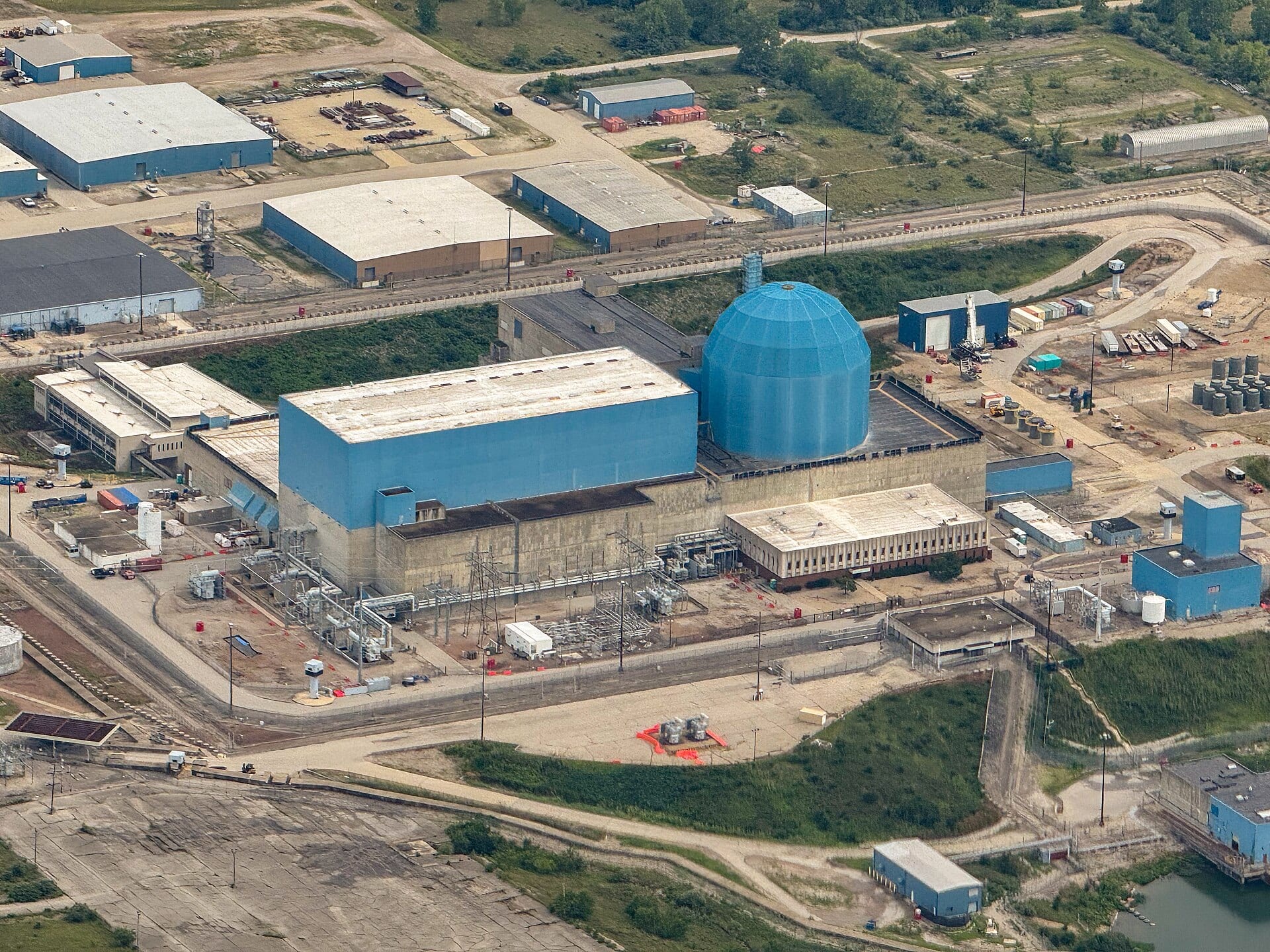
Centrus occupies that bottleneck. Its American Centrifuge Plant in Piketon, Ohio, the first US-owned enrichment plant to start production since 1954, is the country's only licensed, ready-to-deploy centrifuge route to that fuel 109. In December 2025 it launched a multi-billion-dollar capacity expansion due online in 2029, and since August it has signed HALEU supply contracts with the reactor developers X-energy$1B — X-energy, private, latest valuation $1B, Radiant and Antares, some of them prepaid 7.
A bigger cascade means far more machines, and every machine needs a casing. Westerman's roughly 400 people in Ohio, Oklahoma and Wyoming now work for the customer they used to sell to 2.
The spending is visible, the revenue is not
Only half the chain is real so far. Capital spending has risen every quarter for a year, funded with fresh equity including a $500 million September offering, while quarterly revenue has gone nowhere 117. The tape shares the doubt: the 8-K went out on October 19, the day the shares printed a 52-week low of $112.25, and they are down more than half this year 39.
Capital spending has climbed for a year while revenue oscillates with the seasons
- Revenue
- Capital spending
Data
| Revenue | Capital spending | |
|---|---|---|
| Q3 '24 | $58M | $1M |
| Q4 '24 | $152M | $1M |
| Q1 '25 | $73M | $2M |
| Q2 '25 | $155M | $4M |
| Q3 '25 | $75M | $4M |
| Q4 '25 | $146M | $10M |
| Q1 '26 | $77M | $23M |
| Q2 '26 | $176M | $72M |
Five targets, one question: when does demand pay
H.C. Wainwright kept a $300 buy target on October 22 4. Argus Research holds at $104, below the stock's own 52-week low 53. Everyone else lands between them 4.
Centrus targets range from $104 to $300 against a $110 tape
Data
| Value | |
|---|---|
| H.C. Wainwright, Buy | $300 |
| Consensus average | $227 |
| Guggenheim, Buy | $167 |
| Roth Capital | $115 |
| Argus, Hold | $104 |
What separates the two ends is not the supply chain, part of which Centrus now owns outright. It is when contracted demand becomes enrichment revenue, and Centrus's own filing flags "whether or when" commercial and government HALEU demand will materialize 2. Third-quarter results land after the close on November 4, with the call the next morning 6.
The argument was never about the casings. It is about whether the reactors are ready to pay.
Get Power by email, free
How AI's hunger for electricity moves utilities, power plants and the grid. In our daily email, every weekday.