China's CXMT guides gross margin up to 80% as Senator Cotton presses to blacklist it
Five days after Senator Tom Cotton asked the Commerce Department to blacklist China's CXMT, the memory maker told investors gross margin could reach 80% through 2028, on record quarterly revenue built on long-term supply agreements rather than US sales. The capacity those margins fund will set memory prices for US memory maker Micron and South Korea's Samsung and SK hynix into 2028.
 Richard Tangthree-minute read
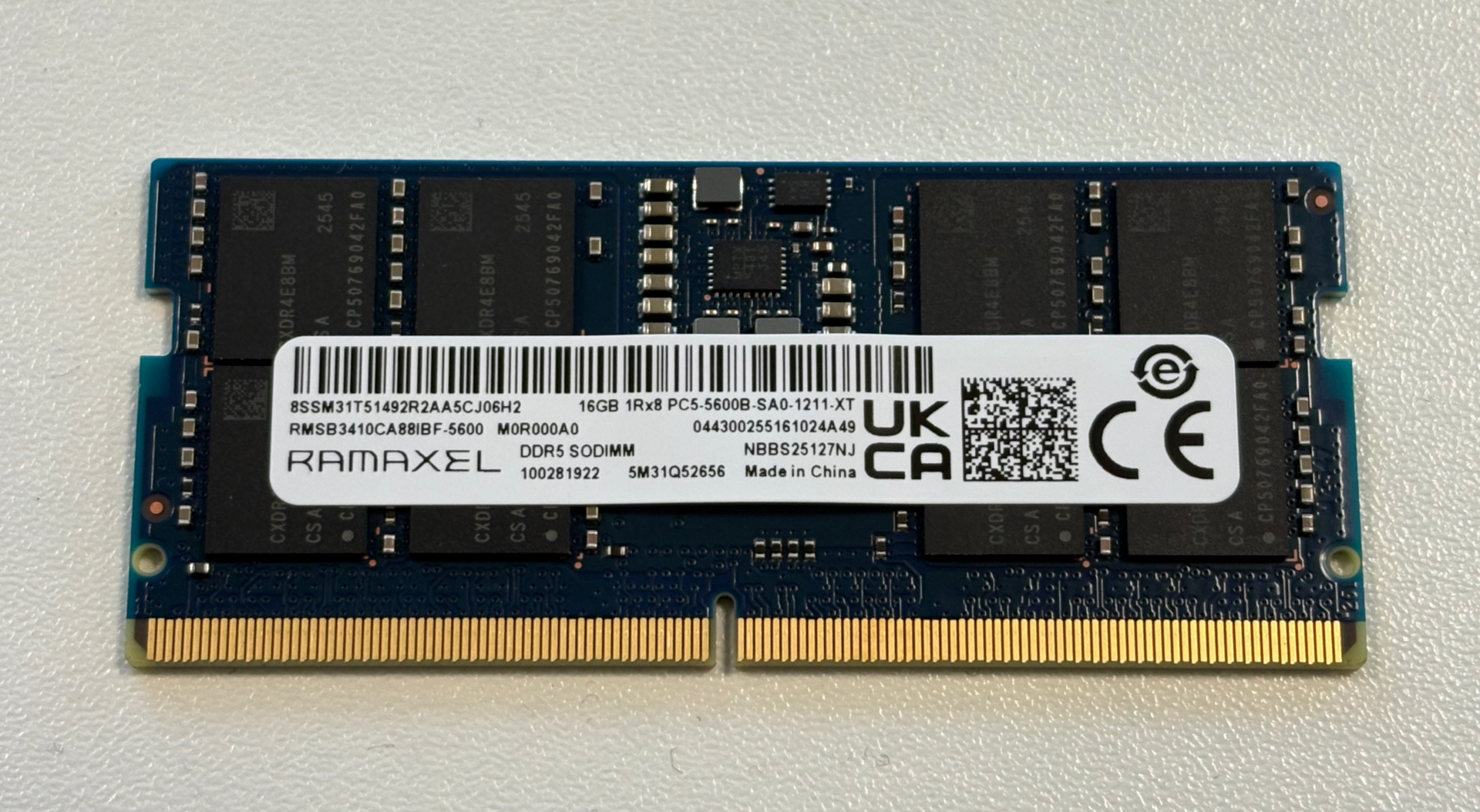
ChangXin Memory Technologies+1.60% — ChangXin Memory Technologies, up 1.60 percent today, China's largest memory maker and the world's fourth-largest producer of DRAM, the commodity memory chips inside computers and phones, told investors on November 17 that gross margin could reach as high as 80% across 2026 to 2028 134. Third-quarter revenue hit a record CNY118.71 billion 2. That quarter was 613% bigger than a year earlier, on capacity expansion, rising wafer-fab utilization and DRAM prices that have held firm through a shortage running since 2025 2.
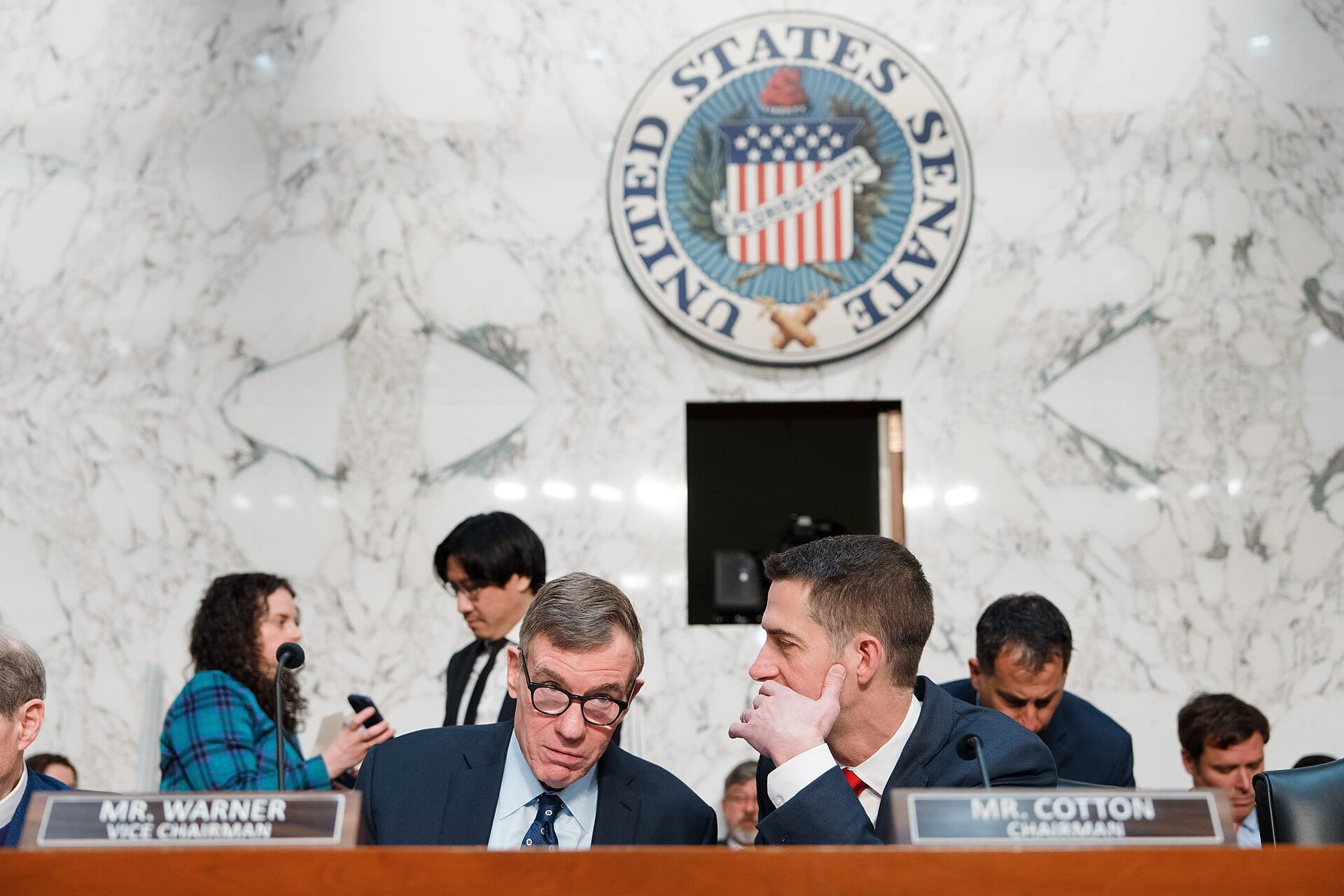
Set that beside Senator Tom Cotton's November 12 letter urging a US blacklist 3, and the mismatch is the story. The growth CXMT just reported barely runs through the United States, and the capacity those margins fund is what will set memory prices everywhere else.
The demand is contracted, not American
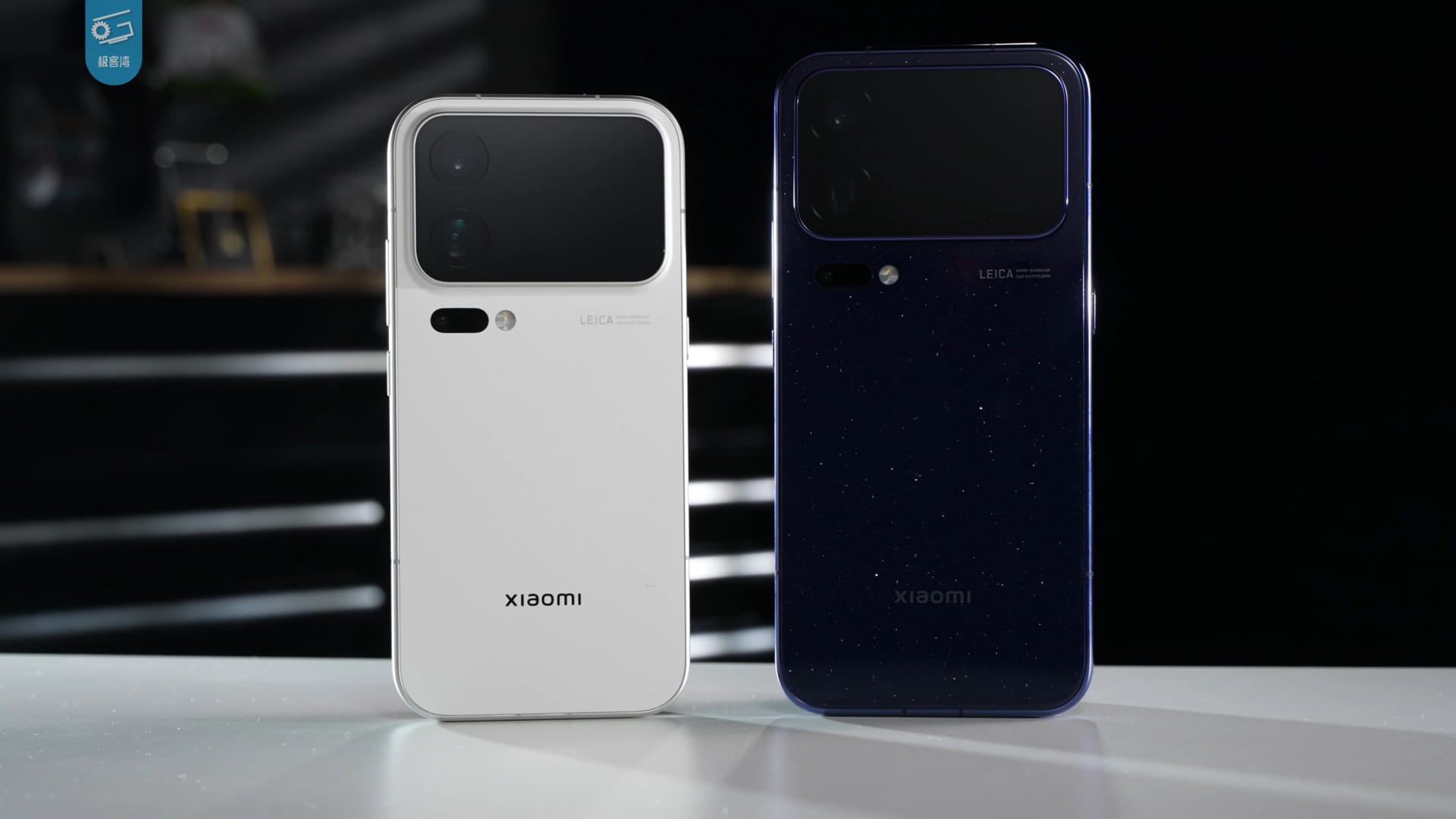
President Cao Kanyu said CXMT has signed long-term supply agreements with several major customers to lock in medium- and long-term demand, agreements we reported on November 18 2. Nine-month revenue was about US$40.34 billion, and the full year could reach CNY380 billion 1. Cao's second engine is edge AI: phones, PCs, glasses and cars running models on the device, which pulls demand toward DDR5, today's mainstream PC and server memory, and LPDDR5X, its low-power variant for phones 1.
Every gigabyte of HBM takes three of DDR5
The shortage behind those prices is structural, because a gigabyte of HBM, the stacked memory AI accelerators use, consumes roughly three times the wafer area of a gigabyte of DDR5, so the data-center buildout keeps draining conventional supply 6. CXMT is already mass-producing LPDDR5X on a fifth-generation process it says rivals the industry's most advanced nodes 5. Those chips sell for more than the DDR4 they replace, so every device that moves up the spec ladder widens the gap between CXMT's costs and its prices 5.
CXMT's guided 80% margin would match Micron's fiscal 2026
Guided to 80%, CXMT would match the gross margin Micron earned in fiscal 2026
- Estimate
Data
| Value | |
|---|---|
| CXMT 2024 | 5% |
| CXMT 2025 | 41% |
| CXMT guided 2026–28 (estimate) | 80% |
| Micron FY2026 | 80.7% |
Washington aims at sales CXMT barely makes
Cotton, the Arkansas Republican who chairs the Senate Intelligence Committee, asked Commerce Secretary Howard Lutnick to put CXMT on the Entity List, the Commerce Department's export blacklist, which cuts listed companies off from US suppliers and buyers 38. Commerce has so far been the brake. Reuters reported in June that the administration held off adding CXMT and more than 100 companies flagged as security risks, and no Entity List additions have been posted since October 2025, the longest gap in more than a decade 8.
The sales at risk run to Europe, not America
The demand being protected is thin. Citi analysts wrote in August that Washington is unlikely to allow made-in-China memory in US devices at all, and that CXMT sales to European data centers are what would actually reach Micron−2.75% — Micron, down 2.75 percent today, the US memory maker, while Apple−1.03% — Apple, down 1.03 percent today tests its chips only in products sold inside China 9. CXMT's capital is not American either; its July debut on Shanghai's technology-focused STAR Market rose nearly 466% and briefly made it China's most valuable listed company 9.
The risk to Micron is measured in wafers
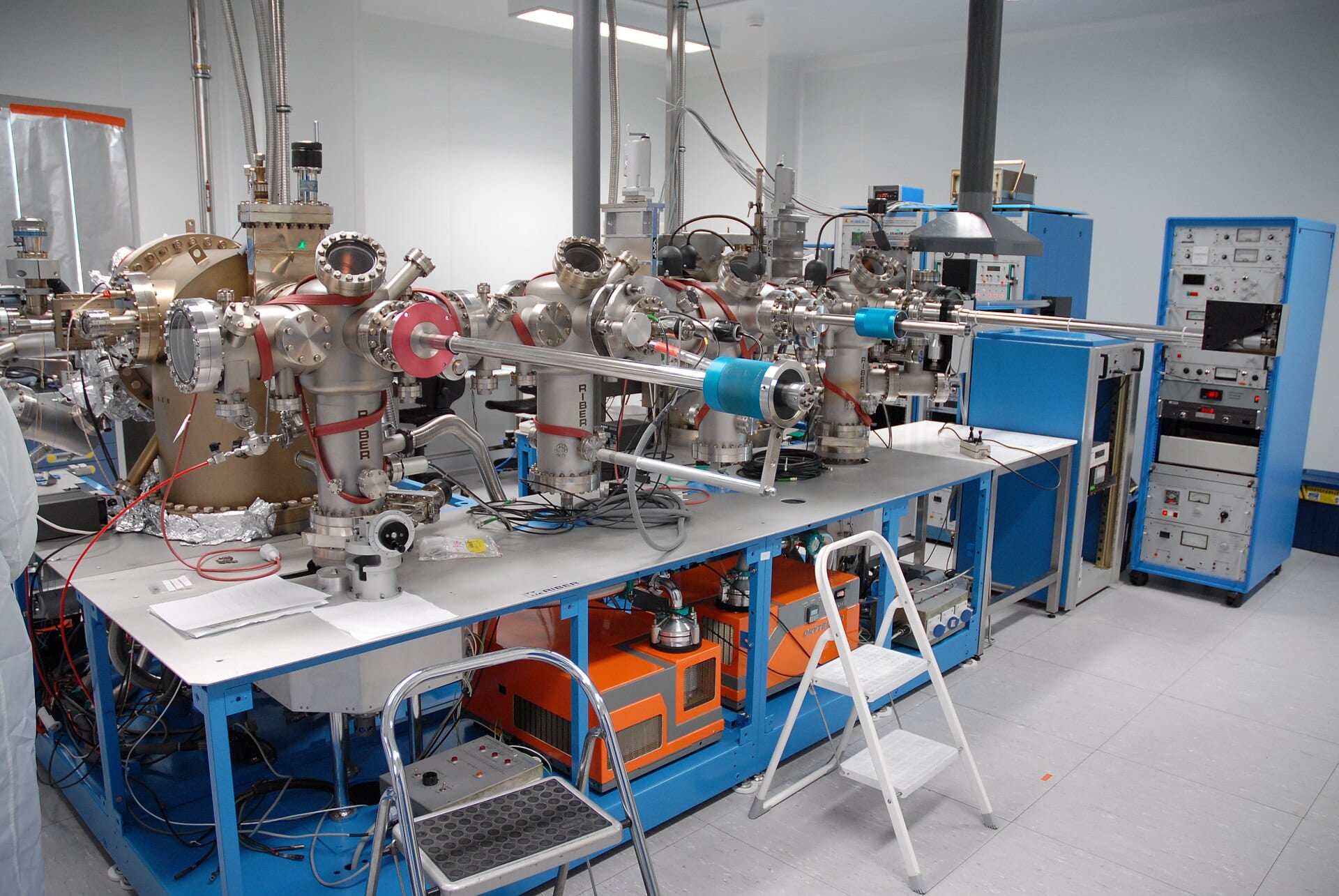
Micron's fiscal-2026 gross margin, swollen by the same price wave, came in at 80.7% 7, and CXMT would join it while its high-bandwidth-memory effort remains nascent 3. What the guidance buys is buildout: planned fabs in Hefei and Shanghai, each sized for 100,000 wafers a month 4, the scale that could turn today's shortage into surplus by 2028, the flood risk our November 11 piece sized up.
Micron's gross margin has run from below zero to 86.8% as the shortage bit
Data
| Micron gross margin | |
|---|---|
| Q4 '23 | -0.7% |
| Q1 '24 | 18.5% |
| Q2 '24 | 26.9% |
| Q3 '24 | 35.3% |
| Q4 '24 | 38.4% |
| Q1 '25 | 36.8% |
| Q2 '25 | 37.7% |
| Q3 '25 | 44.7% |
| Q4 '25 | 56% |
| Q1 '26 | 74.4% |
| Q2 '26 | 84.6% |
| Q3 '26 | 86.8% |
An Entity List would bite hardest on CXMT's access to US tools, though advanced equipment, including ASML's−2.99% — ASML, down 2.99 percent today extreme-ultraviolet lithography machines, is already effectively barred to it 9. For holders of Micron and South Korea's Samsung and SK hynix−2.72% — SK hynix, down 2.72 percent today, the numbers to watch are CXMT's wafer starts and fab announcements, not the Entity List docket.
Get Chips by email, free
How AI demand is reshaping chipmakers, memory and the fabs behind them. In our daily email, every weekday.




Reader comments
0 comments