Huawei Pays Twice for the AI Boom: $200 a Phone and a Chip That Eats Wafers
AI datacenters bought the memory supply, and Richard Yu read out the invoice: an average of more than $200 a phone. The sanctions workaround inside Huawei's new flagships adds a second bill, in wafers its own AI chips already compete for.
 Vincent Jiang · 3 min read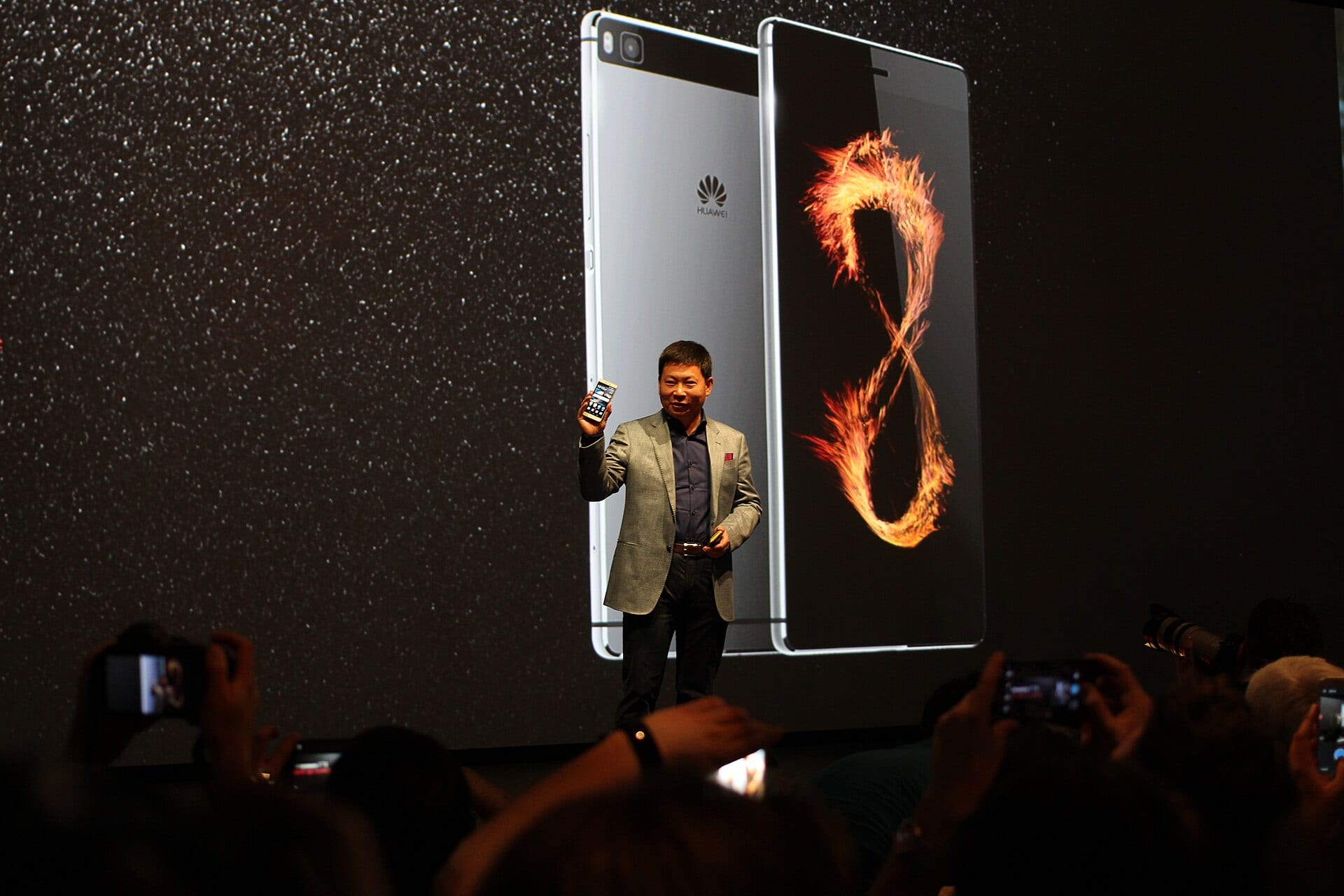
Richard Yu put a number on the AI memory boom this week: rising memory prices have added an average of more than $200 per handset to Huawei's costs 12. The consumer chief said the squeeze is hurting profitability "very badly," and that Huawei will "have to increase prices as well, yet at a slower pace" 12.
The seller has sold out through 2027
Micron posted the other side of that bill on 30 September 3. Fourth-quarter revenue reached $54.23 billion against $11.32 billion a year earlier, at a non-GAAP gross margin of 87%, up from 45.7% 3. The unit that sells phone memory, Mobile and Client, now keeps 90 cents of each sales dollar, up from 36 3.
CEO Sanjay Mehrotra says most of Micron's calendar-2027 output is already sold, that demand will exceed supply in 2027 and 2028, and that "we do not have line of sight to when supply and demand will return to balance" 4. Customers have lodged $32 billion of deposits against agreements covering $150 billion of revenue 5. Contract DDR4 printed a record $26 in September, and TrendForce expects fourth-quarter PC DRAM prices to jump 13 to 18% 6.
AI bought the memory: Micron quarterly revenue nearly quintupled in a year
- Revenue
- Estimate
Data
| Revenue | |
|---|---|
| FQ1-25 | $8.71B |
| FQ2-25 | $8.05B |
| FQ3-25 | $9.3B |
| FQ4-25 | $11.32B |
| FQ1-26 | $13.64B |
| FQ2-26 | $23.86B |
| FQ3-26 | $41.46B |
| FQ4-26 | $54.23B |
| FQ1-27 (estimate) | $61.5B ($60–63B) |
The workaround chip costs wafers Huawei also needs
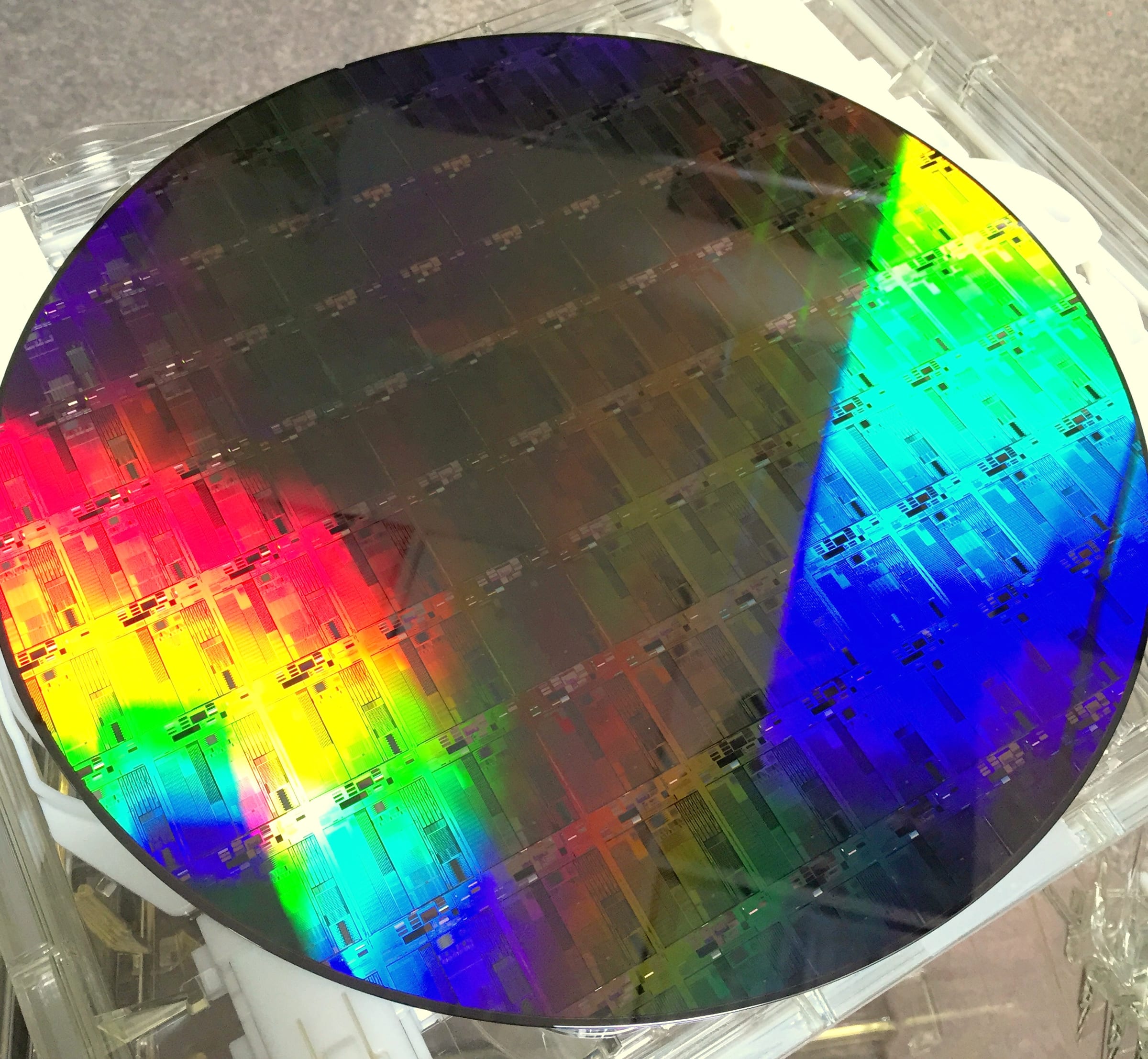
The Mate 90 launch carried a second invoice, in silicon. Its folded flagship processor, the Kirin 9050 Pro, is two 120.65 mm² dies bonded face to face, joined by about 80,000 through-silicon vias 78. Per this week's die shots, the compute die runs SMIC's N+3 process and the cache die N+2; neither Huawei nor SMIC has confirmed the nodes 78.
The design requires more wafers per chip, and Yu said phone-chip capacity stays tight because Huawei's own Ascend AI chips draw on the same limited Chinese capacity 1. Bonding multiplies the risk: at 50% yield per die, teardown analysis puts package yield near 25%, which is why the 9050 Pro ships only in the two most expensive Mate 90 editions 910. Yu said current supply still meets shipment needs 10.
The bill lands on buyers
The Mate 90 Pro opens at CNY 6,999, CNY 1,000 above its predecessor 11. Huawei's first-half net profit fell 36% to CNY 23.81 billion while R&D spending rose 25% and inventories piled up 42% 12. Counterpoint expects just over 230 million sub-$200 phones a year to vanish by 2030, with sales at $200 and up rising 26% 13. Xiaomi and Oppo have raised prices repeatedly; Apple has raised them too 14. Yu argues the cull helps Huawei, since it sells mid- and high-end 14.
Phone memory now carries a 90% gross margin, up from 36%
- FQ4-25
- FQ4-26
Data
| FQ4-25 | FQ4-26 | Change | |
|---|---|---|---|
| Cloud Memory (HBM) | 59% | 83% | +40.7% |
| Core Data Center | 41% | 90% | +119.5% |
| Mobile and Client | 36% | 90% | +150.0% |
| Automotive and Embedded | 31% | 84% | +171.0% |
Three prints decide the next leg
Between January and August, China's handset shipments fell 7% while Huawei's rose 13% 1. Three prints decide the next leg: TrendForce's fourth-quarter PC DRAM figure against Yu's "slower pace" 6, whether the 9050 Pro escapes the top two SKUs as bonded yields improve 9, and Micron's FQ1-27 report as the first test of the promised 2027-28 tightness 34.
The split runs one way. Memory owners collect into 2028, budget-exposed makers absorb the bill, and premium mix is the cushion, the segment Counterpoint sees growing 26% 13. Apple raised prices alongside Xiaomi rather than absorb the cost; Yu says the forced move upmarket "is what Huawei excels at" 14.
Deepdive
AI-generated from this story and its cited sources. Not investment advice.