Huawei will show its own AI memory in February as Chinese chips bill buyers up to 50% more
Chinese AI chipmakers passed a 20 to 50% memory surcharge to buyers this year; Huawei's answer is to build its own HBM for its own chips, with the first evidence due in February 2027. Memory holders keep collecting until then.
 Richard Tangthree-minute read
Drafted with AI from the documents listed under Sources, then edited and fact-checked by Richard Tang. How we work
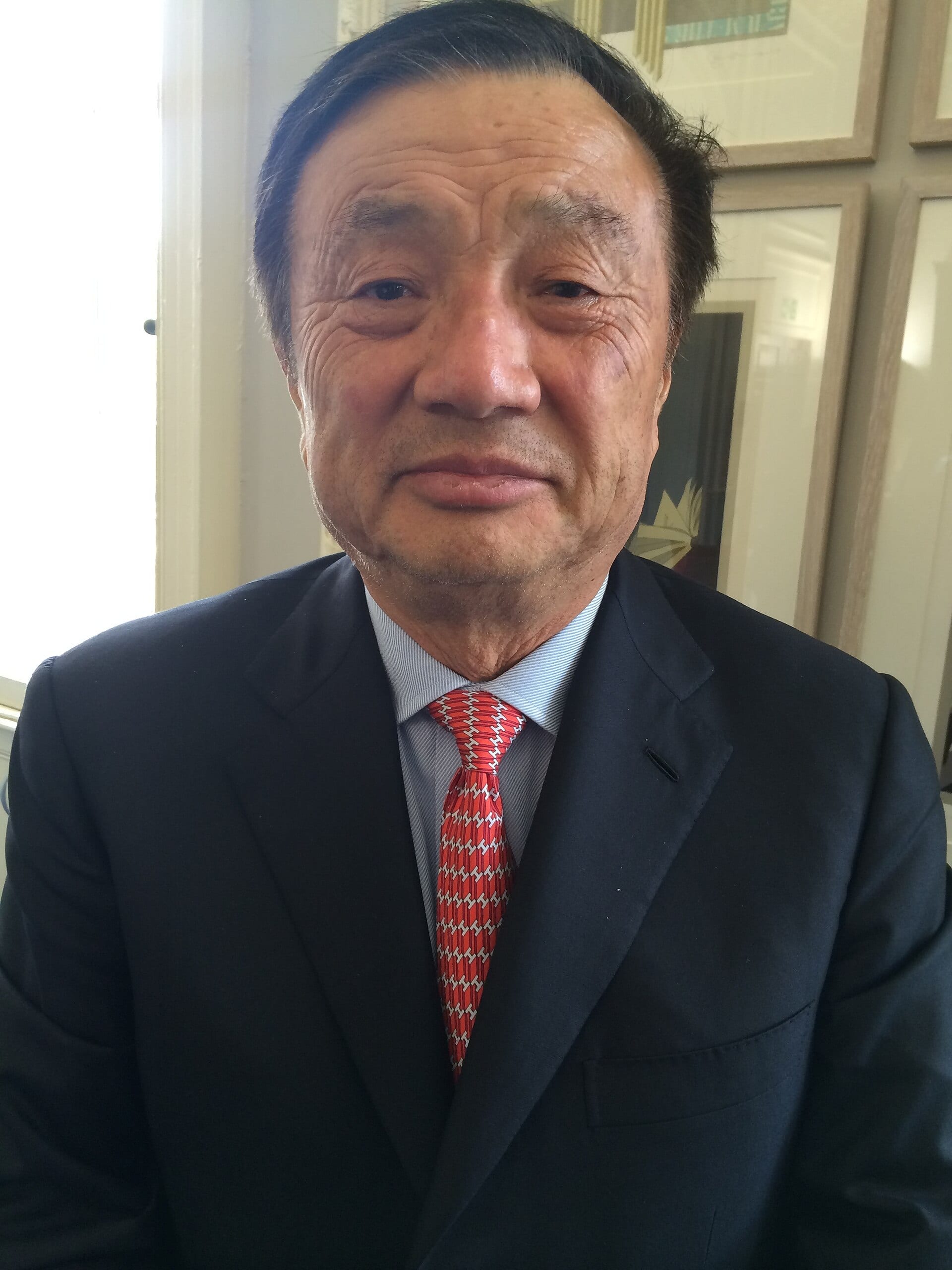
The AI memory squeeze has stopped being a supply rumour and become a price list. Chinese accelerator makers raised prices 20 to 50% this year because high-bandwidth memory, the stacked DRAM inside every AI chip, reached them only through gray-market channels at several times the going rate 5. Huawei's answer is to stop paying that bill: its researchers will present their own HBM design in February, built for Huawei's own chips.
The bill runs through memory
Reuters reported in September that Huawei, Cambricon, MetaX and Iluvatar CoreX all lifted prices, with Huawei's Ascend 950DT card now indicated above 250,000 yuan, because memory is a large share of an accelerator's production cost 5.
This is the same shortage that turned into Cambricon's revenue miss in our early-November piece; what is new since is the surcharge, in writing. For memory holders the picture is even better than for the chipmakers passing it on: industry DRAM revenue ran to nearly $200 billion in the third quarter, close to five times a year earlier, while bit shipments rose only about 4% 1. Counterpoint calls it a pricing super-cycle, not a volume cycle 1.
Three firms took all of the HBM market's money in Q2 2026
Three companies split the entire HBM market, and none can legally sell to China
Data
| Value | |
|---|---|
| SK hynix | 50% |
| Samsung | 33% |
| Micron | 18% |
Huawei is closing its own gap
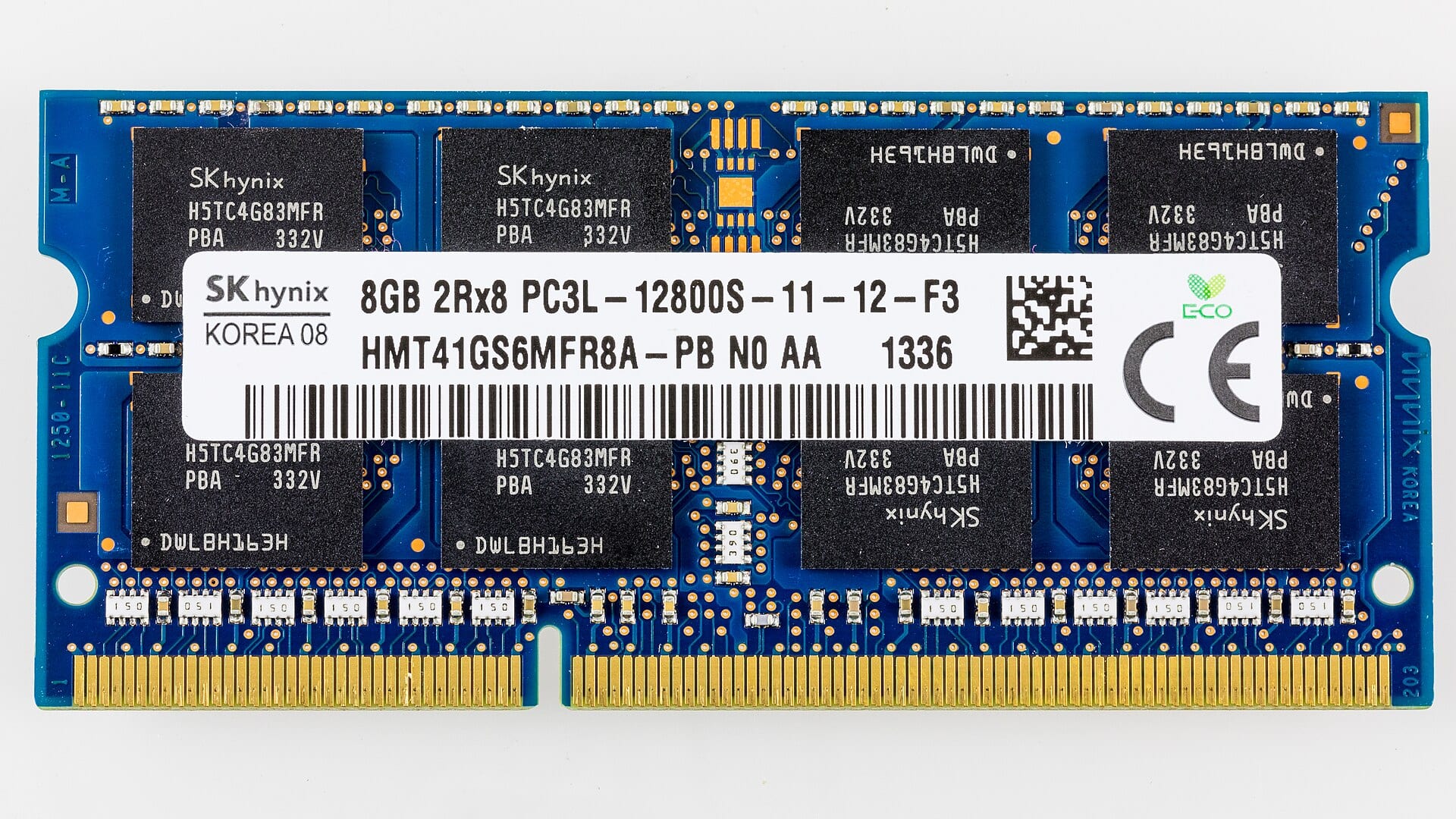
The ISSCC 2027 program lists a Huawei paper for February 16, 2027, in San Francisco: a 64-channel custom HBM with a 4,096-pin interface, twice the width of the HBM4 standard, built with five-layer wafer-on-wafer hybrid bonding 62. No speed, capacity, power or yield figures are disclosed yet, so this is an architecture, not a product 6.
But the direction is set. Huawei already says its Ascend 950 series uses two proprietary HBM technologies 5, and it plans at least one new AI chip a year through 2029 for developers such as DeepSeek and Moonshot 1. The memory feeds Huawei's roadmap, not Cambricon's.
Domestic memory sets the price in 2027
Cambricon and the smaller designers cannot buy Huawei's memory, so their near-term supply is CXMT+12.97% — CXMT, up 12.97 percent today, which has started small-batch HBM3E output at a 20 to 30% usable yield against SK hynix's+6.64% — SK hynix, up 6.64 percent today roughly 70% 3. UBS expects Chinese makers to hold 83% of China's own AI chip market by 2027 4, and that volume has to sit on this memory. When domestic HBM lands, the 20 to 50% surcharge unwinds, and Chinese cards built with homegrown stacks will undercut the gray-market pricing their makers quoted in 2026 4.
Whose money this moves
For holders of Micron+7.20% — Micron, up 7.20 percent today, Samsung+4.55% — Samsung, up 4.55 percent today and SK hynix, the premium looks safe for now: Counterpoint expects no major new fab to start production until 2028 1, and the trio is locked out of China's HBM market anyway, so nothing there is lost.
Micron's gross margin has climbed from 27% to 87% as memory prices ran
Data
| Gross margin | |
|---|---|
| Q2 '24 | 26.9% |
| Q3 '24 | 35.3% |
| Q4 '24 | 38.4% |
| Q1 '25 | 36.8% |
| Q2 '25 | 37.7% |
| Q3 '25 | 44.7% |
| Q4 '25 | 56% |
| Q1 '26 | 74.4% |
| Q2 '26 | 84.6% |
| Q3 '26 | 86.8% |
The first real test of the scarcity premium is Chinese memory reaching volume, and the calendar for that is now dated: CXMT scaling through 2027, Huawei's paper in February. Huawei is the builder closing the gap between a blocked supply chain and a working AI stack, and it is closing the gap for itself. That vertical integration is where the value in China's AI buildout is heading, and the memory trio's pricing power ends where it starts shipping.
Follow-up for readers: we previously covered the supply side in "Taiwan's first chip-sector strike stopped Micron's $4.5 billion AI memory fab", and the demand side keeps tightening; Samsung itself expects AI demand to outrun industry supply by a wider margin in 2027 1.
Sources
- 1TheStreet, Huawei is coming for the chip that made three giants rich, 28 November 2026
- 2TradingView/GuruFocus, Micron Faces New AI Memory Threat as Huawei Develops HBM Chip, 27 November 2026
- 3Root Nation, Huawei has found a way to challenge Samsung and SK Hynix in the AI memory market, 28 November 2026
- 4Beinsure, China's AI chip outlook for 2030: UBS, Morgan Stanley and Goldman Sachs, 28 November 2026
- 5Reuters (via Yahoo Finance), Exclusive: China's AI chipmakers raise prices as high-bandwidth memory shortage bites, 10 September 2026
- 6Gadget Review (via Yahoo Tech), Huawei Says It Can Beat Samsung, SK Hynix, and Micron at Memory Chips, 27 November 2026
- 7Micron, quarterly figures from its SEC filings, retrieved 29 November 2026
Get Chips by email, free
How AI demand is reshaping chipmakers, memory and the fabs behind them. In our daily email, every weekday.
Reader comments
0 comments