Missouri just approved 945 MW of grid. Ameren has already signed 2,800 MW of data centers
The Missouri PSC approved 945 megawatts of batteries and solar on October 21; Ameren's own plan commits 2.8 gigawatts of signed data center load, ramping from the second half of 2027. The $4 billion to $6 billion that closes the gap has no rate order yet, and 1.3 million ratepayers are waiting to see their share.
 Vincent Jiang · 3 min read
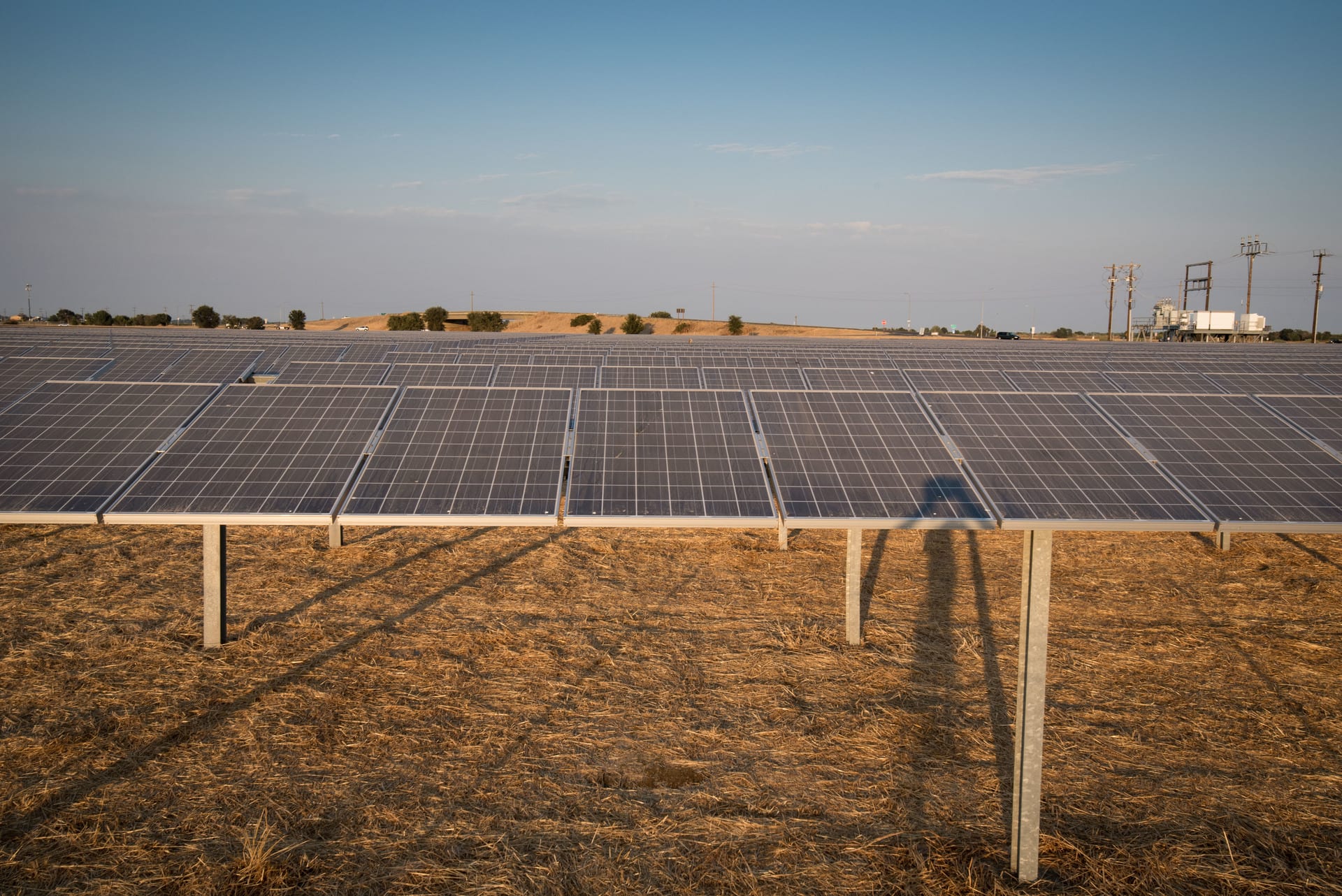
Missouri's regulator approved the first slab of Ameren's+1.58% — Ameren, up 1.58 percent today data center grid on October 21, and the arithmetic around it still does not close 23. The Missouri Public Service Commission signed off on 545 megawatts of battery storage and 400 megawatts of solar for Ameren Missouri, the utility serving about 1.3 million electric customers across 60 counties 23.
Ameren's own twenty-year resource plan, filed September 28, commits the company to serving 2.8 gigawatts of large-load demand by 2030 through signed electric service agreements 8. The approved fleet is a third of that load, and most of it lands a year or more after the customers arrive.
The gap in megawatts
The approved package: Castle Bluff, 95 megawatts of batteries in St 2. Louis County; Huck Finn, 200 megawatts in Audrain County; Millcreek, 250 megawatts in Lincoln County; plus the Ringer (225 MW) and Tom Sawyer (175 MW) solar farms, acquired from Invenergy and EDF power solutions 2. Batteries and Tom Sawyer target 2028, Ringer 2029, with a new 161-kilovolt Quinn switching station tying Millcreek to the grid 3.
Bank of America, in a October 21 note, puts the ramp earlier: signed load starting in the second half of 2027 1. Ameren's preferred plan fills the rest with 10.6 gigawatts of new gas, 2,400 megawatts of storage by 2030 and 1,200 megawatts of nuclear, while retiring all coal by 2042 78.
Missouri approved 945 MW of batteries and solar, a third of the committed load
Data
| Value | |
|---|---|
| Millcreek BESS | 250 |
| Ringer solar | 225 |
| Huck Finn BESS | 200 |
| Tom Sawyer solar | 175 |
| Castle Bluff BESS | 95 |
Who pays for the other 1.9 gigawatts
BofA+0.44% — BofA, up 0.44 percent today estimates the buildout could add $4 billion to $6 billion to a five-year capital plan of about $20 billion 1. Ameren points to state law and its Powering Missouri Growth Plan, which require large-load customers to cover the cost of the infrastructure built to serve them 8.
That is the promise; turning it into a rate order is the regulator's job, and Ameren already filed a $343 million electric rate increase in June that could lift residential bills about 10% 7. The Missouri commission approved Wednesday's projects as a stipulation; it has not yet priced the data center buildout 23.
The near term is weather
BofA expects third-quarter EPS of $2.30 against $2.31 consensus, up from $2.17 a year earlier 14. Q3 is the money quarter, about 40% of the year, but a soft print fits inside reaffirmed 2026 guidance of $5.25 to $5.45 5.
Results land November 5 after the close, with a call led by CEO Martin J 5. Lyons Jr. and CFO Leonard P. Singh on November 6 5. The company carries about $37 billion of debt and spent $4.66 billion on capital over twelve months against $3.25 billion of operating cash flow, trading near $106, about 20 times this year's earnings 5.
Capex has outrun operating cash flow in ten of the last twelve quarters
- Operating cash flow
- Capex
Data
| Operating cash flow | Capex | |
|---|---|---|
| Q3 '23 | $0.92B | $0.76B |
| Q4 '23 | $0.53B | $1.14B |
| Q1 '24 | $0.49B | $0.9B |
| Q2 '24 | $0.56B | $1.03B |
| Q3 '24 | $0.9B | $1.16B |
| Q4 '24 | $0.82B | $1.32B |
| Q1 '25 | $0.43B | $1.08B |
| Q2 '25 | $0.86B | $1.07B |
| Q3 '25 | $1.1B | $0.99B |
| Q4 '25 | $0.96B | $1.04B |
| Q1 '26 | $0.42B | $1.6B |
| Q2 '26 | $0.77B | $1.08B |
What to watch on November 6
Whether management raises the capital plan and shows the large-load cost allocations, while holding guidance. The opposition is already organized: Lincoln County residents fought the Millcreek battery site over farmland and fire risk, and the Sierra Club calls the gas-heavy plan bad investment for families 79. The batteries and solar were the easy part. The 2.8 gigawatts is now the company's own number, not a bank's; the rate order that decides who pays for the rest is the next beat 79. Deep dive in below for how the resource plan got here.
Get Power by email, free
How AI's hunger for electricity moves utilities, power plants and the grid. In our daily email, every weekday.