Murata turns away customers with record JPY 673.9 billion orders; October 30 capex decides
Murata has record orders, a plant filling six years early, and customers it must decline. The capex number due with October 30 results decides whether that rationing lasts into 2029, and the ceramic powder, not the stock price, is the ceiling until 2028.
 Richard Tangthree-minute read
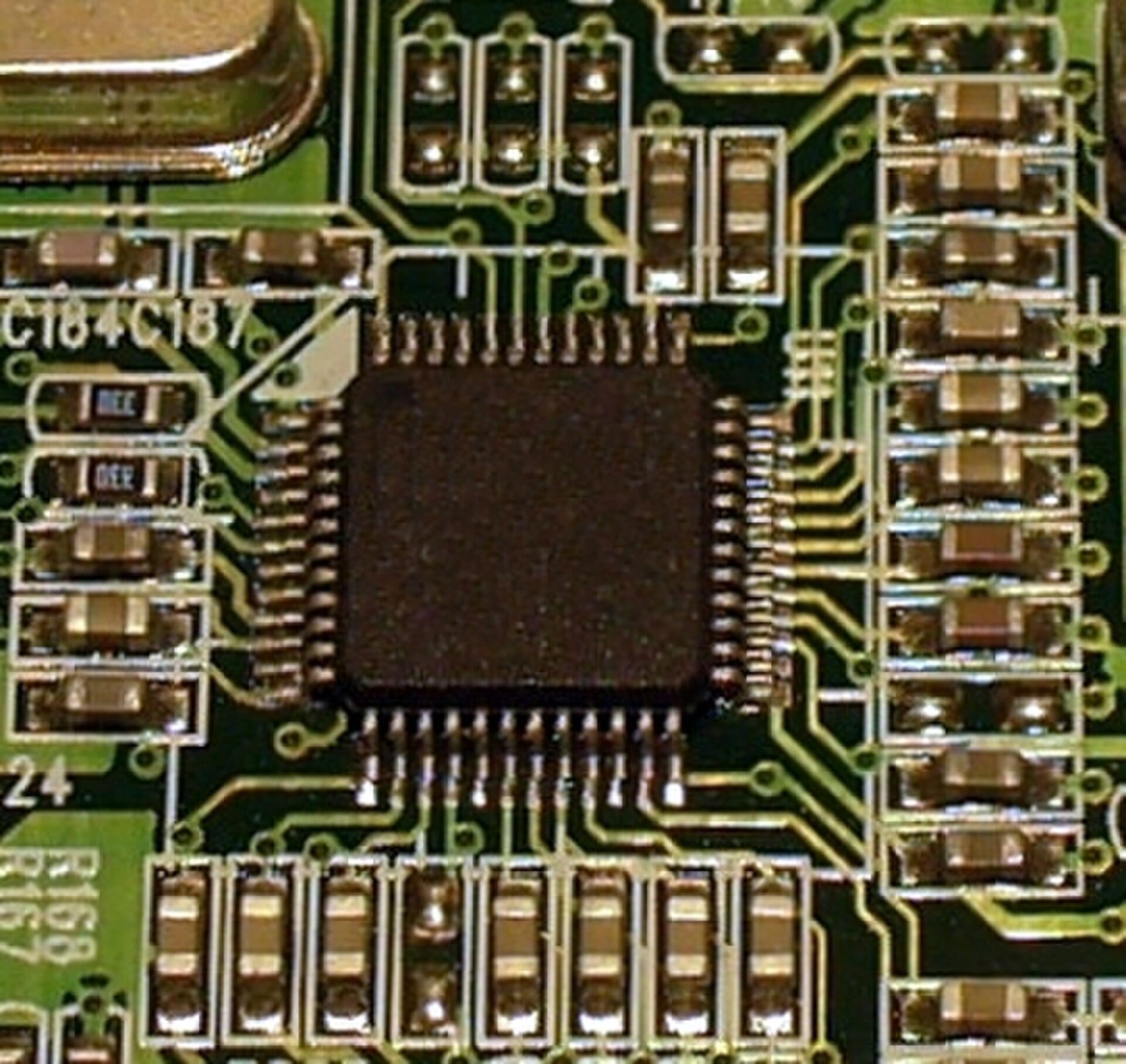
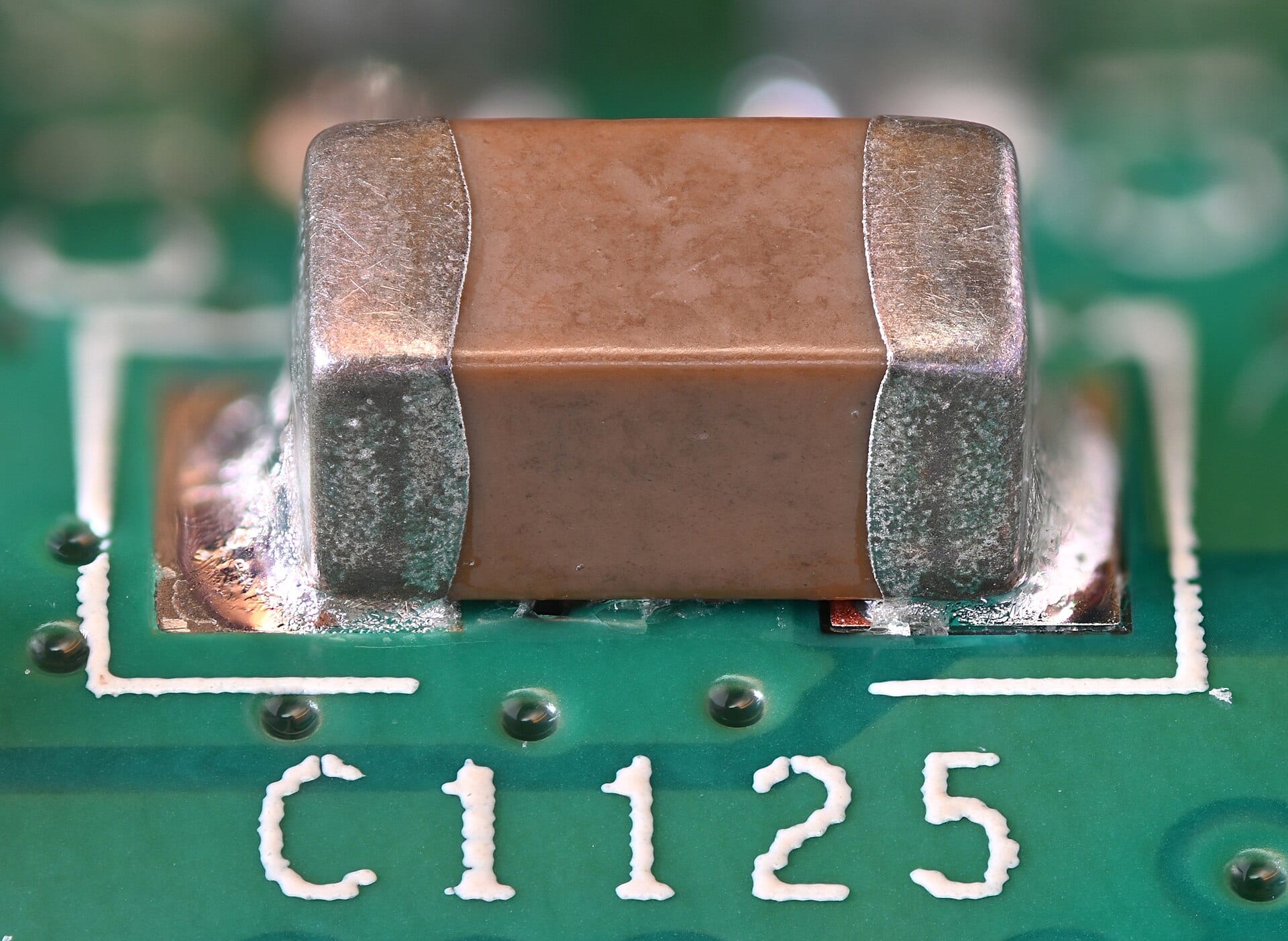
Murata's president says the company is turning customers away, and on October 30 he will put a number on what he plans to do about it 12. Norio Nakajima told Bloomberg on October 13 that AI demand for Murata's multilayer ceramic capacitors (MLCCs) "continues to climb" and that a new, larger investment is something the company "must do" 2. The size of that investment, to be announced with the results 24, is the single figure that tells you whether management underwrites this demand into 2029 or keeps rationing it.
The order book is not in doubt
June-quarter orders hit a record JPY 673.9 billion, up 56%, with capacitor orders up 85% 1. Book-to-bill ran 1.34, the seventh straight quarter above 1 1, and near 1.5 by Nakajima's own account 2. The Izumo plant in Shimane, Murata's MLCC factory, was supposed to reach full capacity in 2030; it may fill this year 1. An AI server needs 15,000 to 25,000 of these capacitors, so every rack of the data-center buildout lands directly on Murata's lines 1.
The ceiling is powder, not furnaces
In April Murata committed JPY 80 billion to add 10 to 15% MLCC capacity over two years, and Nakajima says that is far from enough 12. But the real constraint is upstream: no published figure shows how much ceramic powder capacity exists, and Murata's own fix, Okamura Murata, its ceramics subsidiary, is only now building new powder lines that produce from April 2028 1. Until those lines run, extra furnace capex cannot raise output if the powder does not keep pace, which is exactly what Nakajima says he must verify with suppliers 2.
What Murata has committed so far: capacity, powder and buyback
Data
| Value | |
|---|---|
| MLCC capacity capex, April 2026 | 80 |
| Buyback spent by Sep 2026 | 76.1 |
| Okamura ceramic powder lines | 9 |
The market is selling the sector, Murata is buying its stock
The stock sits near JPY 6,432, roughly half its 52-week high, in a week when the Nasdaq 100 fell 5.5% on doubts about AI returns 46. Goldman Sachs+0.42% — Goldman Sachs, up 0.42 percent as of its last quote disagrees: it raised its target to USD 82.66 on October 19 and kept a Buy rating, sell-side seeing value where the market sees financing risk 4. Meanwhile Murata has spent JPY 76.1 billion of a JPY 150 billion buyback through September 3. Management returning cash at that rate with a record order book says the open question is the capex decision, not the demand.
One number on October 30 decides this
The capex figure can commit money to furnaces and equipment, but before April 2028 it cannot conjure powder, so what it buys most is a position in the queue for when the bottleneck lifts 1. A large figure means management believes demand holds through 2029 and is paying now to be ready; a small one means Murata will keep declining orders at 44 times earnings 4. That distinction, not the quarter's beat against the $3.53 billion consensus 5, is what the print is for.
Get Chips by email, free
How AI demand is reshaping chipmakers, memory and the fabs behind them. In our daily email, every weekday.