Murata pledges ¥1 trillion to double capacitor output; shares fall 7.7% anyway
Murata will spend about ¥1 trillion, close to twice the operating profit it guided to the same morning, to double output of the ceramic capacitors that steady power in AI servers. The shares closed down 7.7%: the dispute is not whether the demand is real, but who gets paid while the order queue lasts.
 Richard Tang · 3 min read
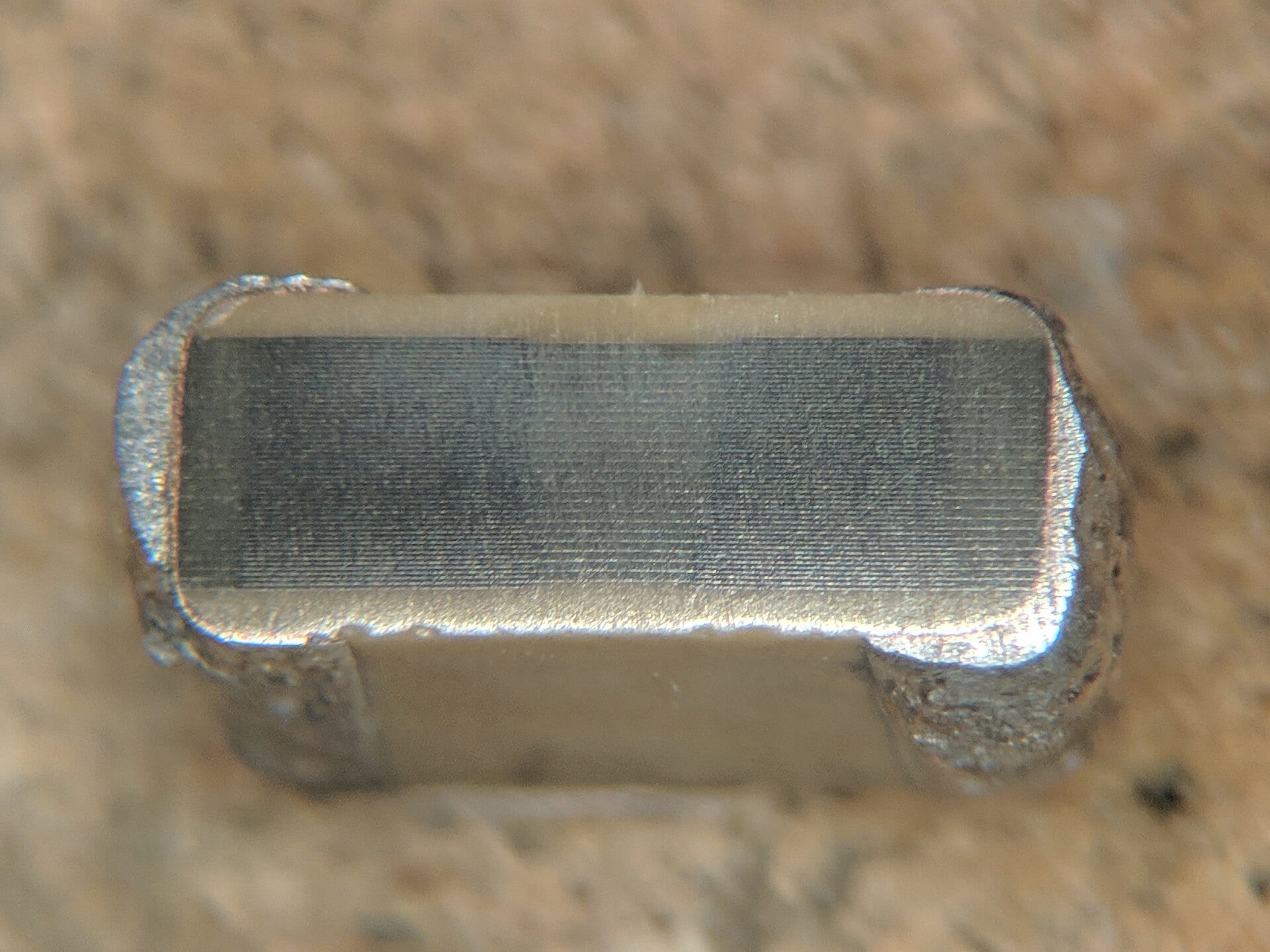
Murata Manufacturing−7.72% — Murata Manufacturing, down 7.72 percent today (6981.T), the Kyoto maker of the ceramic capacitors that steady voltage on circuit boards, cannot build them fast enough, by its own president's account, so it will spend about ¥1 trillion over five years to double output 14. The same morning it reported a September quarter above analyst estimates, with operating profit of ¥147.5 billion on ¥588.5 billion of revenue 4. The shares still closed down 7.7% 1. The fall is not a judgment that AI demand is fading; it is a judgment about timing.
The AI build has reached the smallest part on the board
A multilayer ceramic capacitor, or MLCC, is a stacked ceramic chip that stores charge and keeps voltage steady on a board; AI servers fitted with Nvidia's−3.51% — Nvidia, down 3.51 percent today accelerator chips, the hardware most large AI models run on, carry them in large quantities 2. The demand now shows in Murata's accounts: computer applications, the AI line, grew 61% in the first half 3. President Norio Nakajima has described the company's run of capacity expansions as inadequate to fulfill all orders 4. Murata raised full-year operating profit guidance to ¥520 billion 35.
The market is arguing about the calendar
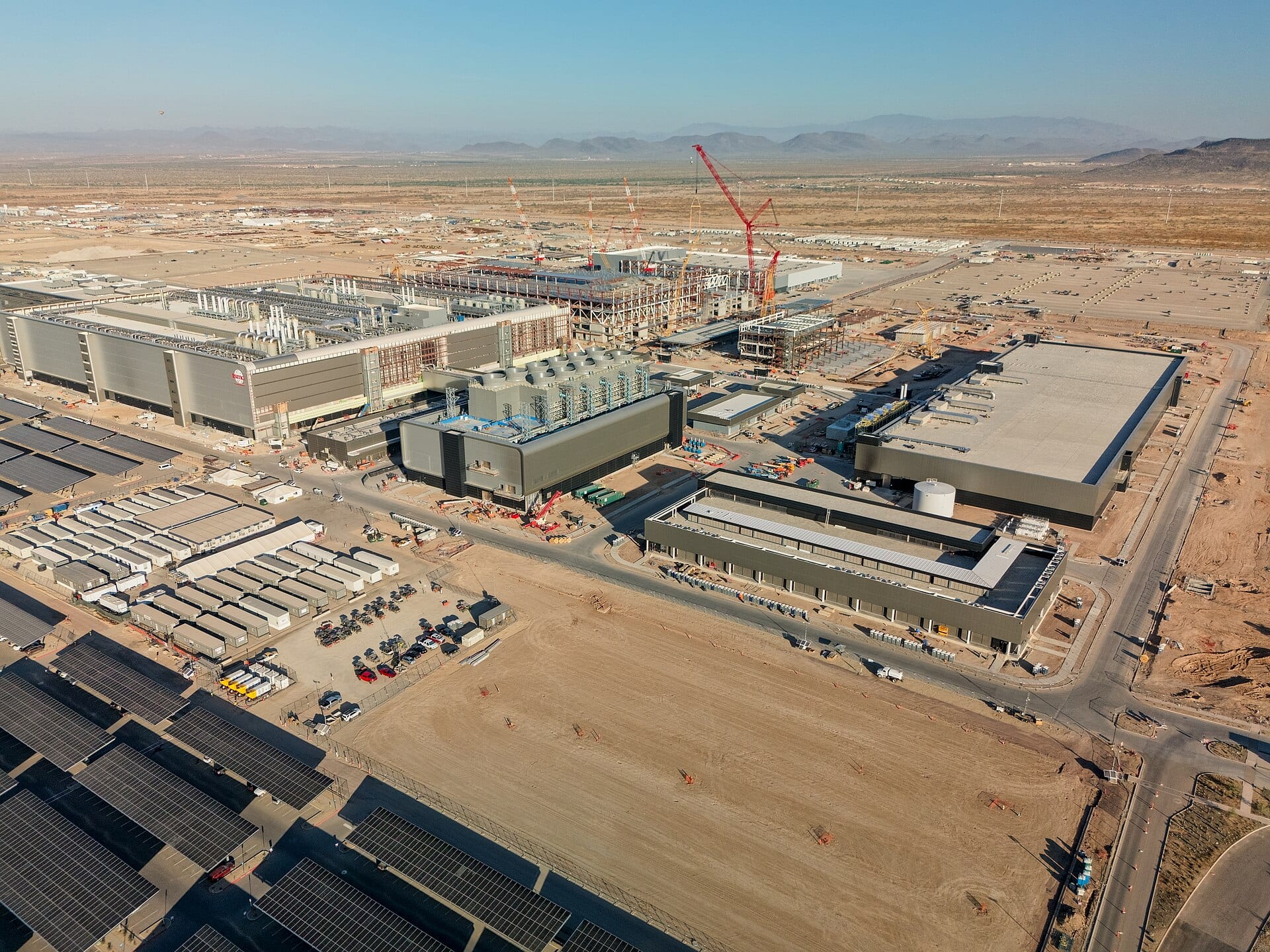
About ¥650 billion of the plan is production equipment, and the schedule is back-loaded 1. The largest named project, a roughly ¥150 billion plant in Okayama, starts construction in April 2027 and completes at the end of 2028; the Thai amounts are still to be announced, and the only addition landing next year is a retrofit of unused space in the Philippines 1.
The plan also funds "stable procurement of raw and sub-materials" 1, the ceramic powder every capacitor is pressed from. Depreciation on that equipment starts landing, on the plan's own schedule, just as this wave of data-center spending is expected to slow.
The verdict also came on a day the whole AI trade repriced: Japan's Nikkei 225, the country's benchmark stock index, fell as much as 3%, with chip stocks among the biggest decliners 3. The shares still hold a 96% gain for the year 1 and trade at 46 times trailing earnings, twice their five-year median 6.
The demand is being contracted today
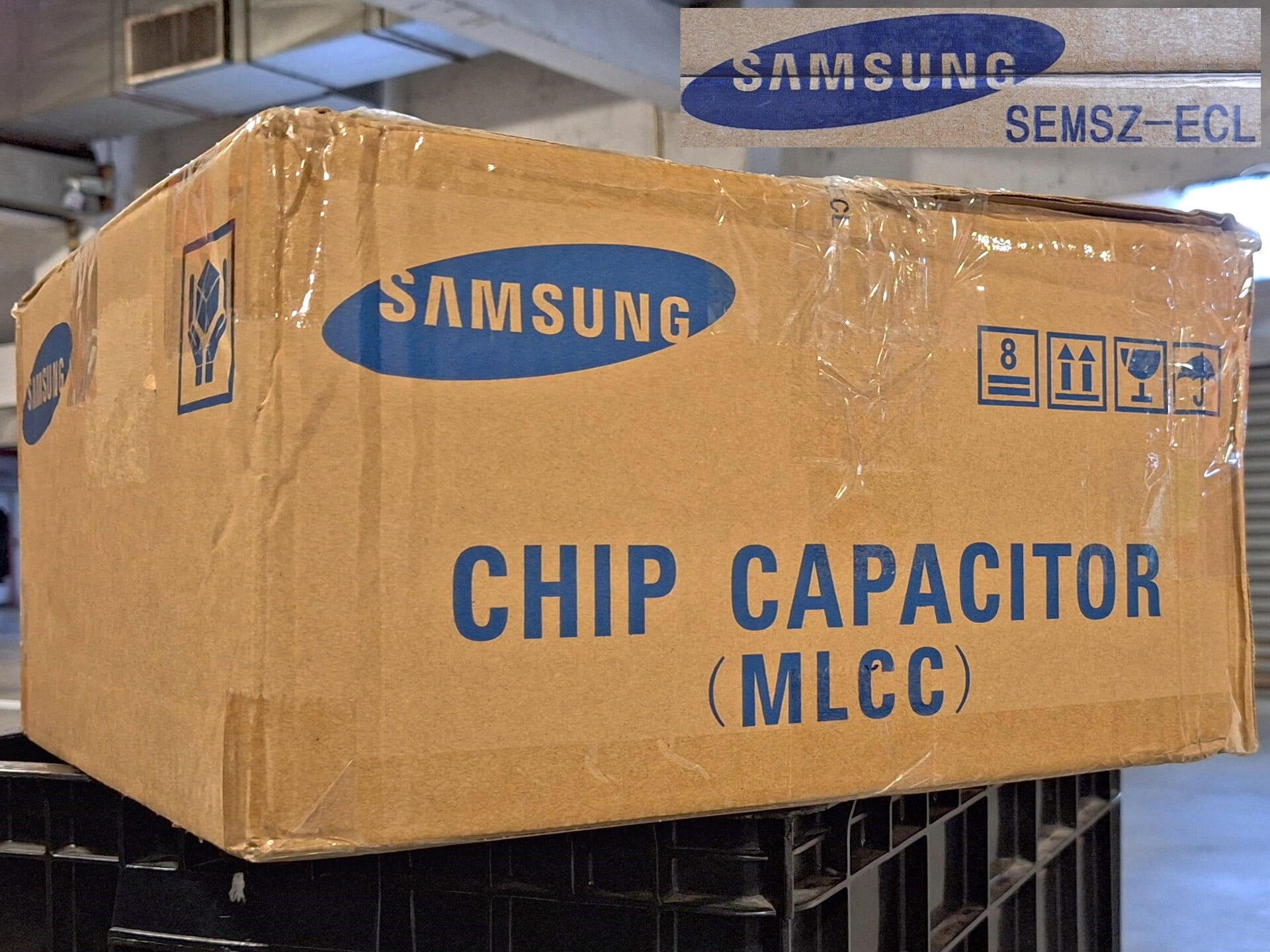
The same day, Samsung Electro-Mechanics−7.50% — Samsung Electro-Mechanics, down 7.50 percent today, the Korean component maker, signed its sixth long-term MLCC supply deal of the year: 880 billion won, with deliveries running for a year from December 21 2. Its 2026 MLCC orders now top 5 trillion won, and it holds more than 40% of the AI-server MLCC market 2. A third Philippine plant, at Calamba, starts operating in the first quarter 2. Ibiden, the Japanese substrate maker whose boards carry AI processors, approved a further ¥151 billion of spending in the same week 7.
Murata's ¥1 trillion plan is nearly twice the profit it just guided to
Data
| Value | |
|---|---|
| Murata: MLCC plan, 5 years | ¥1,000bn |
| Ibiden: Cell6 + Cell8 | ¥650bn |
| Murata: FY2026 profit guide | ¥520bn |
The plan bets on 2030 demand no contract covers
Samsung Electro-Mechanics' customers are signing contracts for output that exists today; Murata's trillion yen buys output that starts arriving in 2028, and it needs data-center builders to still be buying roughly twice as many capacitors in fiscal 2030 2. Nothing in Friday's documents establishes that: the contracts signed so far run about a year 2.
Whoever holds supply while the queue lasts collects the margin. Watch three markers: Calamba starting up in the first quarter 2, Murata's December-quarter orders, the number our October 23 piece framed as the test, and the end-2028 completion date Okayama is scheduled to meet 1.
Get Chips by email, free
How AI demand is reshaping chipmakers, memory and the fabs behind them. In our daily email, every weekday.