Kioxia's flat-price warning shows memory sellers lost the pricing war
Kioxia posted a 22-fold profit jump and its first dividend, then told investors flash prices are going flat while capacity is sold out through 2027. The buyers locked their prices first, and that changes whose money is at risk in AI memory.
 Richard Tang · 2 min read
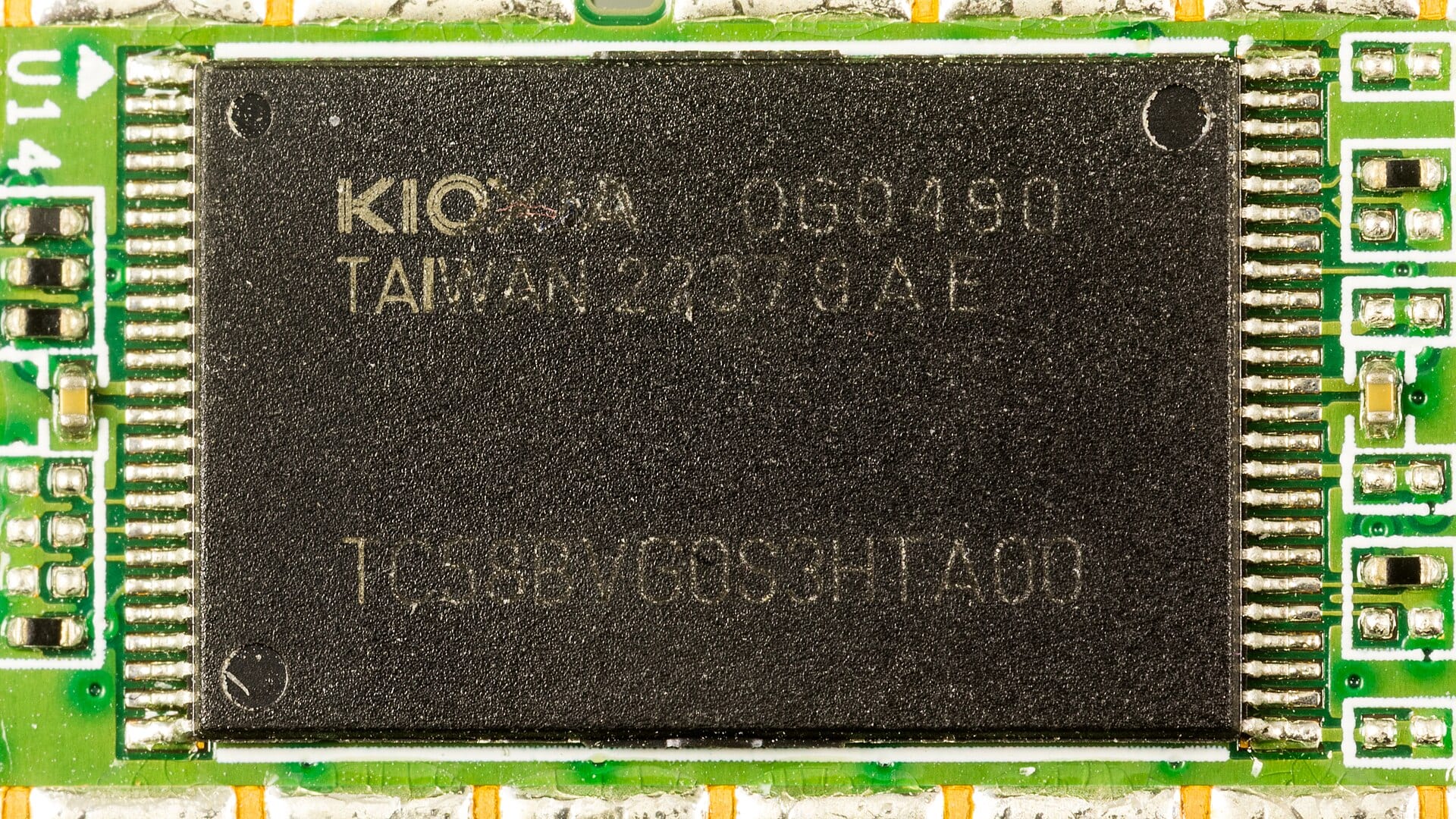
The memory boom's most important number, the price of flash memory, has stopped rising on the supplier's own say-so. Kioxia, the Tokyo NAND maker that just posted a 22-fold profit jump and paid its first-ever dividend, guided the December quarter to ¥2 trillion of operating profit, well below the ¥2.35 trillion analysts expected, and said its average selling prices rose only a mid-20% rate last quarter after 70% the quarter before 1.
Its executives said it is unclear whether prices keep rising in fiscal 2027 at all 1. The stock fell 11% and now sits about 60% below its June peak 1.
Why a seller with sold-out capacity lost pricing power
Because the buyers moved first. Kioxia−7.14% — Kioxia, down 7.14 percent today says long-term contracts with hyperscalers like Meta−0.22% — Meta, down 0.22 percent today and Amazon−0.97% — Amazon, down 0.97 percent today already cover well over half of its projected 2028 shipments, on top of capacity sold out through 2027 1. The people paying for NAND locked their price while the fear was theirs; now the risk of a price rollover sits on the seller's side of the table, and with it the multiple memory shareholders paid.
That is the mechanism behind Friday: Kioxia down 11% 1, partner Sandisk−10.60% — Sandisk, down 10.60 percent today down 8% despite beating estimates 3, and Intel−28.36% — Intel, down 28.36 percent today down roughly 28% after blaming memory prices for a PC slowdown 2.
Sandisk's AI data-center revenue now rivals its edge business while consumer memory shrinks
Data
| Value | |
|---|---|
| Edge | $5.83B |
| Data center | 4.8 |
| Consumer | $0.40B |
One industry, two opposite stories
The tension inside the industry is now explicit. Sandisk's CEO told investors every NAND segment grows next year and "we see improvement from here" 2. Kioxia's own guidance says prices go roughly flat. Both can be true only if volume, not price, carries the next leg of the boom, which means the sellers need buyers who keep consuming at today's prices. Intel's results suggest at least one buyer class, PC makers, cannot 2.
Kioxia plans a US listing next year to help fund more than ¥5 trillion of capex with Sandisk 1. Investors should ask one question before they buy that supply: what price does it meet? If the contracts say the answer is "already agreed, and lower than spot," the reward for financing the buildout belongs to the hyperscalers who locked it in, not the memory shareholders now holding the stock. Start from the contracts, not the shortage.
Readers deciding what to do with this should start learning how AI infrastructure actually gets financed, because the term sheets, the take-or-pay clauses and the capex schedules, not the hype cycle, now set who keeps the AI memory profits.
Get Chips by email, free
How AI demand is reshaping chipmakers, memory and the fabs behind them. In our daily email, every weekday.