Neurosurgeons' video model built on Alibaba's Wan lists at half a cent a second on fal and OpenRouter
Two neurosurgeons shipped the cheapest image-to-video model on fal and OpenRouter at half a cent a second, claiming living-neuron research made an Alibaba model five times faster. The platform hosting it just had its founder beg publicly for scarce GPUs.
 Vincent Jiang · 3 min read
Two neurosurgeons in San Francisco put a working product on the shelves of fal~$1B — fal, private, latest valuation ~$1B and OpenRouter, an open marketplace for routing AI models, on October 30, 2026, and priced it at the bottom of every list it sits on 12. TBC Mischief 1, an image-to-video model from The Biological Computing Co., starts at $0.005 per second of video at 480p, and $0.01 per second at 720p 15. A five-second clip costs 2.5 cents at the low tier 15.
The company calls it the cheapest image-to-video model on both platforms 12. OpenRouter's own listing ranks it first of 27 video models on cost, and first on speed 5.
| Resolution | Price per second |
|---|---|
| 480p | $0.005 |
| 720p | $0.01 |
Biology did the research, silicon runs the bill
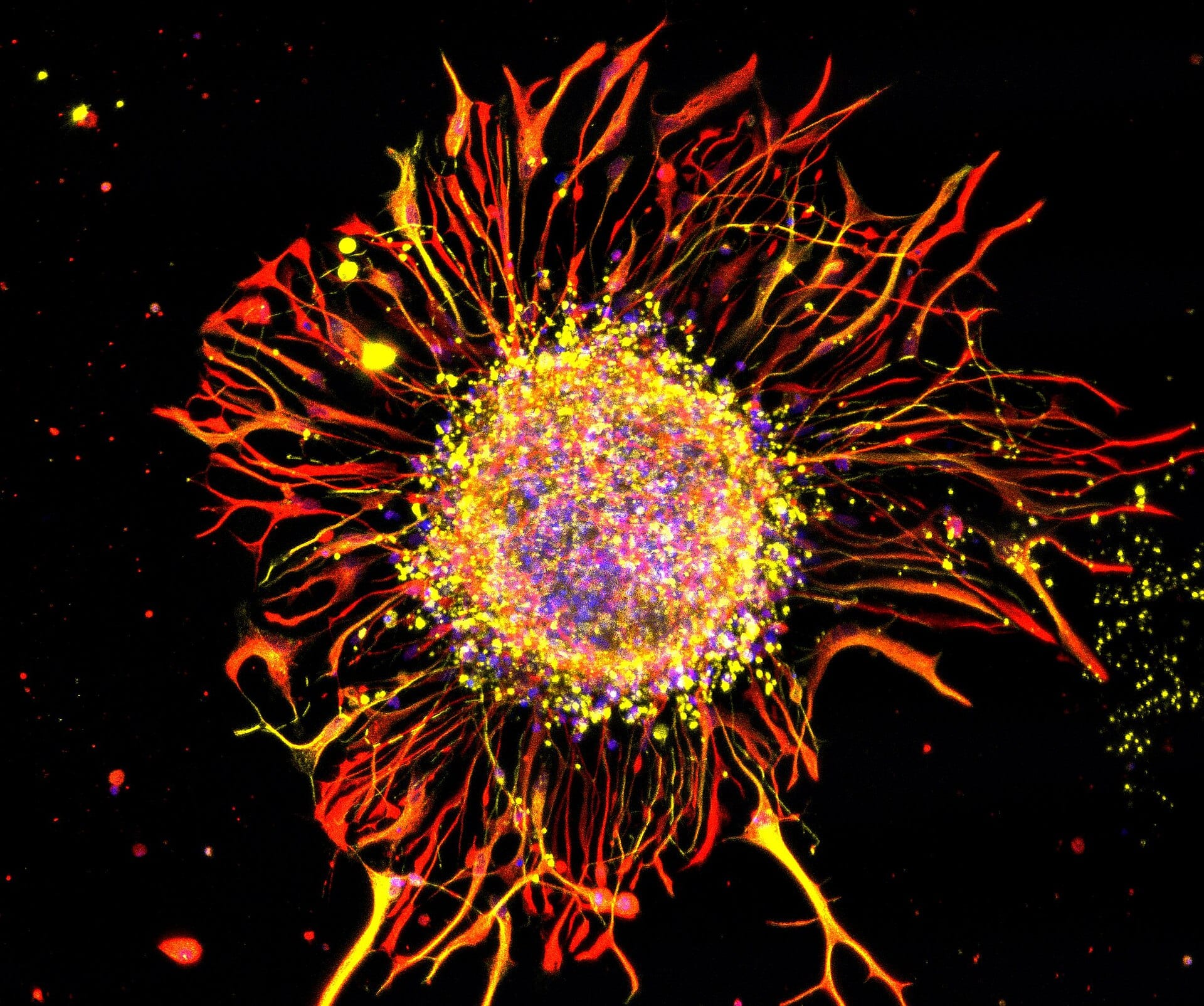
The unusual part is the ingredient list. TBC grows living neurons, derived from reprogrammed human stem cells, on multi-electrode arrays in a Mission Bay wet lab, feeds them real-world data as electrical signals, and maps what the cells do onto a small software layer that runs on ordinary AI chips 2.
The layer bolts onto Wan 2.2, Alibaba's−1.57% — Alibaba, down 1.57 percent today open video model, and adds less than 0.1% to its parameter count, by the company's account 23. TBC claims the result runs at least five times faster than the base model at the same quality. No independent benchmark backs that yet. The earlier Neural Dynamics Adapter work covered a Minecraft world model, and the company itself flagged that wider testing remained necessary 3.
The shelf pays the price of cheap
Here is the tension for the platform doing the hosting. fal pitched itself to private-market investors on curated, premium generative-media inference. Prior coverage here sized the talk at $15 billion on a rate card that repriced every 19 days 6.
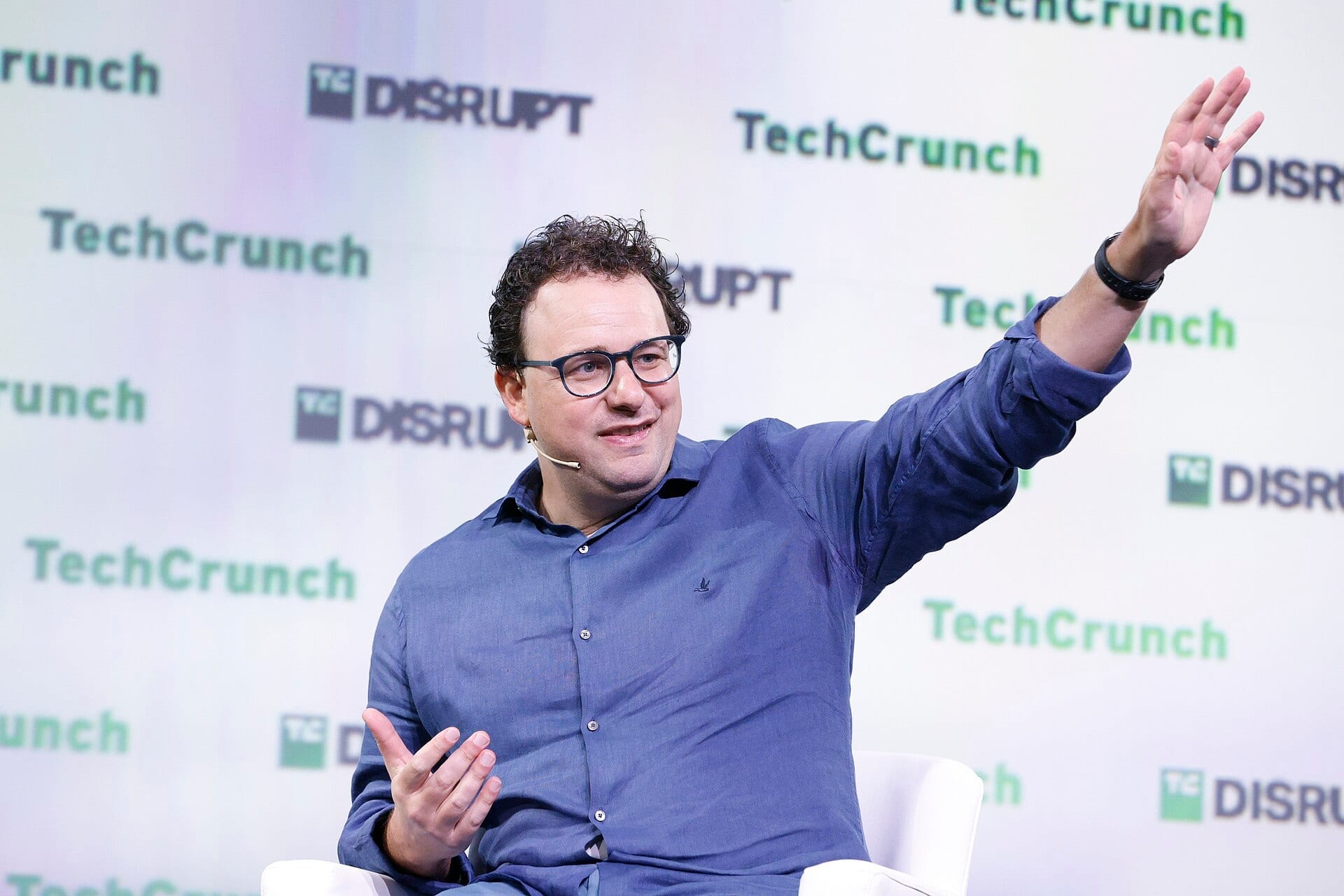
A modelmaker using fal as a distribution shelf, racing price to half a cent a second, presses that card from inside the store. And the supply side is tight: on October 27 fal's co-founder posted publicly hunting for B300 and GB300 GPUs, chunks of 1 megawatt or more, delivered before end of year 4.
Watch the meters, not the neurons
TBC raised a $25 million seed in February 2026 led by Primary Venture Partners, emerging from stealth with its wet lab 2. What the science itself proved stays in the lab; the market signal will show up in the meters fal bills through, where TBC's cheap volume can drag the blended per-second price the platform earns against the premium it charges for its own curated roster.
Whether Mischief's volume is large enough to move that blended take, no source yet says, and neither TBC nor fal discloses per-model usage 12. Two readings settle it: fal's model lineup and pricing page, for a matching per-second cut, and any disclosure of Mischief's share of platform volume.
Get Model by email, free
The AI labs, their models, and the business behind them. In our daily email, every weekday.