Robinhood agent accounts hit 150,000 and 30 million tool calls a day, but crypto revenue fell 55%
Tenev says 150,000 customers have opened agentic accounts and agents make 30 million tool calls a day. The quarter underneath shows crypto revenue halved and prediction markets under state cease-and-desist orders, so the agent business has to earn its keep fast.
 Richard Tang · 2 min read
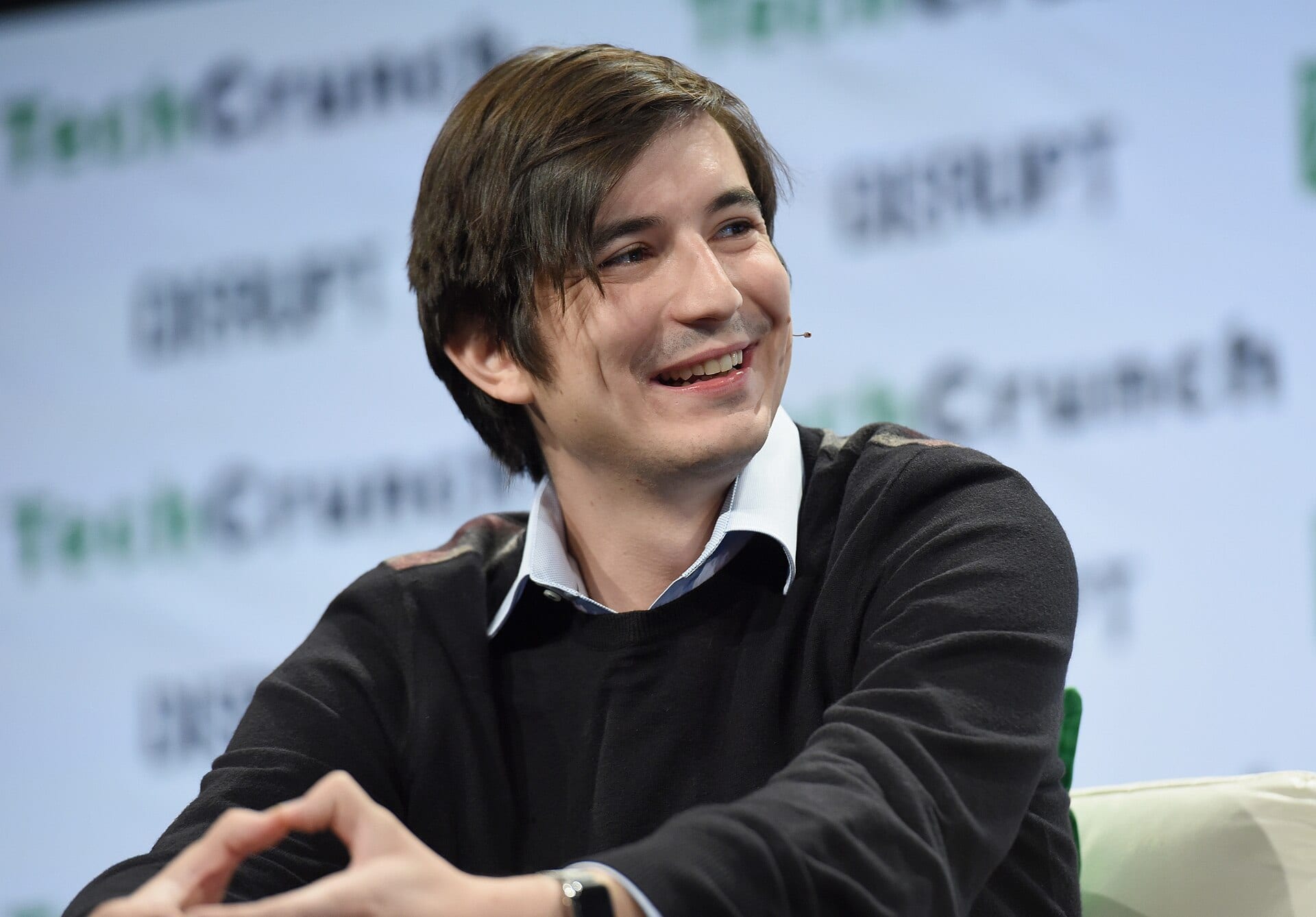
Robinhood's+0.77% — Robinhood, up 0.77 percent today fastest-growing product has a customer that is not a person. CEO Vlad Tenev said on November 5 that more than 150,000 customers opened Agentic Trading accounts in the months since launch, with agent tool calls, each action the agent takes, from reading a portfolio to placing an order, last disclosed at about 30 million a day 1. The quarter underneath shows the platform's speculative lines shrinking, so this agent business has to convert into revenue fast.
What actually shipped
The product is Robinhood Agents, launched at HOOD Summit weeks ago: a harness, the control layer that runs the agent, inside the brokerage account itself. Tenev describes it as Claude Code or Codex, the coding agents developers know, but optimized for trading, with a skills and agent-app marketplace attached. A customer describes a strategy once; the agent executes it on a loop. Lower friction means more ideas become trades, and more trades mean transaction revenue 1.
The quarter it lands on
That revenue need is real. Crypto revenue fell 55% year over year to $120 million in the quarter ended September 30 2, and crypto is now the smallest of Robinhood's major transaction lines. Event contracts, the growth line at $173 million after sixfold growth, face regulatory pressure we reported last month: Ohio's gaming regulator sent Robinhood cease-and-desist orders alongside nine other prediction-market operators in October 4. Total net revenue hit a record $1.42 billion but missed estimates, and shares fell about 8% pre-market 3.
Crypto is now Robinhood's smallest major transaction line
Crypto, the line agents would most naturally trade, is now Robinhood's weakest product
Data
| Value | |
|---|---|
| Options | $399M |
| Event contracts | $173M |
| Equities | $121M |
| Crypto | $120M |
Who carries the risk
The safeguards define who pays. Agents run in a separate segregated account the customer funds themselves; trade approvals are on by default but can be switched off; the sandbox is, in Tenev's words, "not quite air-gapped" 1. The customer owns whatever the agent buys; Robinhood books the flow. Tenev says agent-mediated trades will not reach a double-digit share of activity "imminently" 1, which is also an admission the revenue replacement is not here yet.
Watch two things: whether agent accounts convert into transaction revenue before the crypto hole widens, and whether a default-on approval switch that users can disable becomes the next target for regulators already circling prediction markets.
Get Economy by email, free
How AI moves rates, banks, payments and the wider economy. In our daily email, every weekday.