Temu's €2 EU handling fee goes permanent November 1, stacked on July's €3 duty, as PDD Holdings reports
From November 1 every unique item bought online from outside the EU carries a permanent €2 Union Handling Fee, stacked on July's €3 duty, while South Africa's Cosatu pushes an outright Temu and Shein ban. Europe chose to tax the parcel model; the choice now tests Temu's margin and PDD Holdings' next earnings print.
 Richard Tangthree-minute read
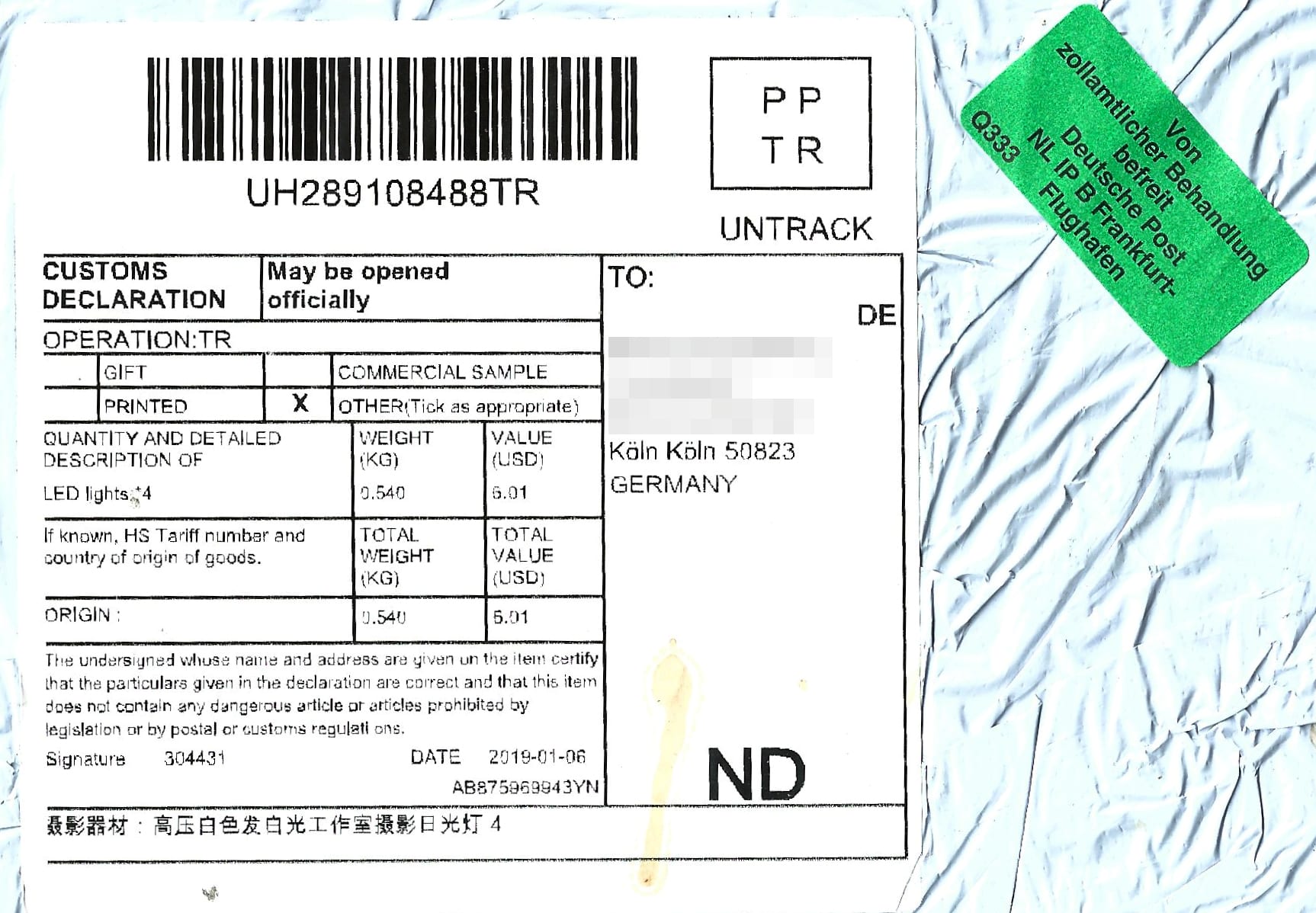
The levy stack aimed at Temu becomes permanent on Sunday. From November 1 the EU charges €2 on every unique item shipped to the bloc from outside it, regardless of value, and unlike July's €3 customs duty on sub-€150 parcels, the Union Handling Fee never expires 15. That settles how Europe has answered the cheap-parcel model: not a ban, but pricing the exemption out of existence, one unit at a time.
The charge is built per unit, not per basket
The €2 fee is collected from the platforms, not shoppers, and lands on top of the July duty, which charges €3 per product category in a parcel, not per parcel 145. A Temu basket with a few distinct items carries a handful of euros in state charges on goods that often cost less individually.
Charges on a single offshore item go from nothing to €5
Data
| EU charges per item | |
|---|---|
| Before July 2026 | €0 |
| July duty | €3 |
| From Nov 1 | €5 |
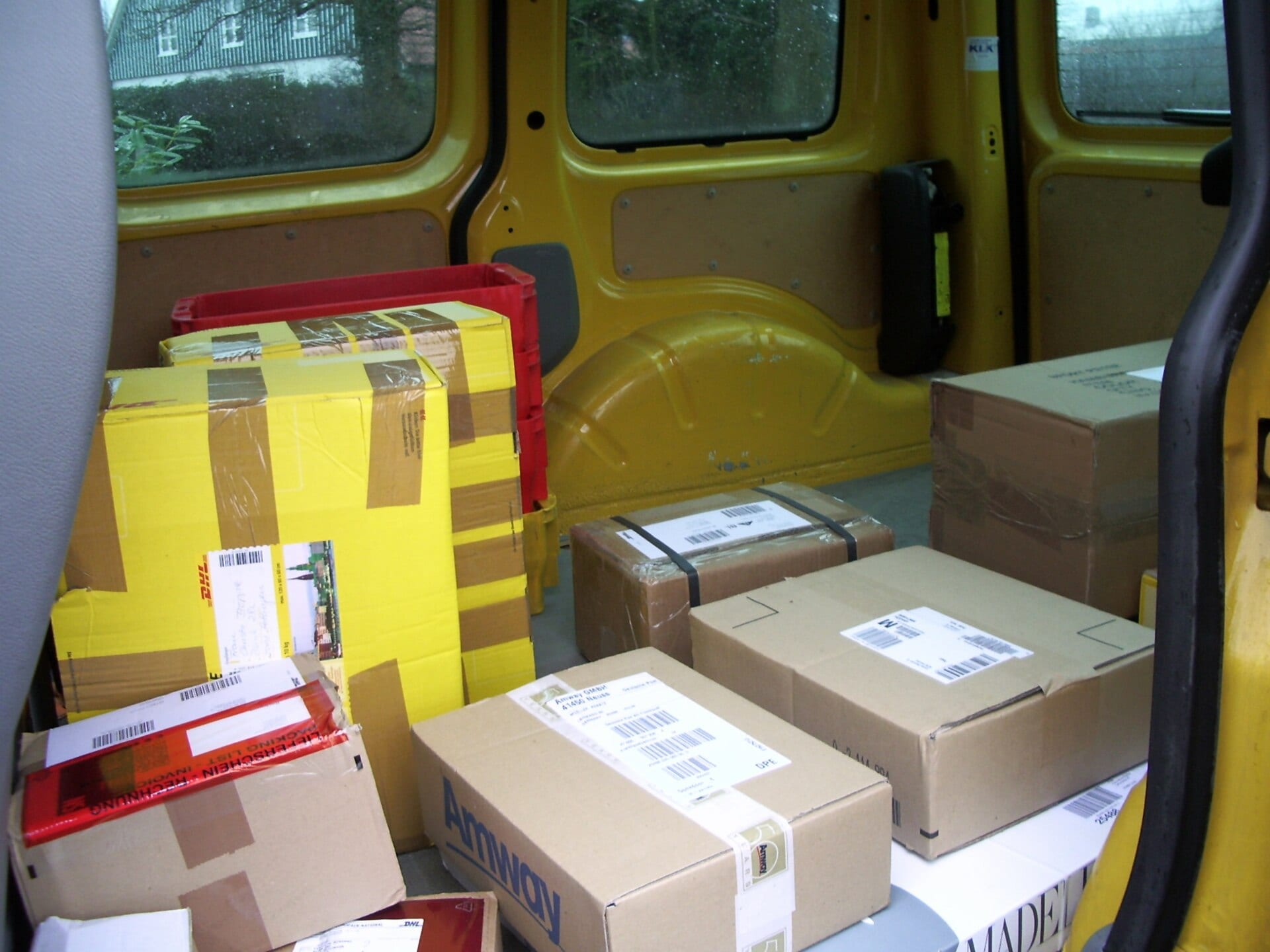
Parcels riding the old duty-free threshold were the whole foundation of Temu's European growth; EU customs counted roughly six billion such imports in 2025, about nine in ten from China 5. The exemption was a structural subsidy, and Europe is dismantling it in stages.
The market has already voted with its clickstream
France's Economy Ministry reports small-parcel imports fell by up to 40 percent in the first weeks after the July duty 5. Temu's response is to stop being a parcel machine: it is building out its own EU warehouses with the target of fulfilling most European orders from inside the bloc, which clears customs once in bulk instead of per order 4.
That converts Temu from an asset-light marketplace into an asset-heavy retailer with ordinary cost structure, the shift analysts flag as the core margin risk for its owner, PDD Holdings−1.23% — PDD Holdings, down 1.23 percent today 6. PDD reports third-quarter results within weeks, the first print to carry the July duty.
South Africa shows the harder fork
Cosatu, the trade union federation, resolved on October 15 to ban Shein and Temu outright, citing a study that puts 34,000 jobs at risk by 2030 after more than 8,000 potential jobs lost over 2020 to 2024 23. Local retailers counter that equal customs and VAT enforcement is the fix, not prohibition, noting invoices that may not reflect the right duties 2.
Europe's answer, tax the unit rather than block the platform, is the one that keeps consumer choice and fixes the tilt. South Africa's regulator should copy the enforcement, not the ban.
The comparison also shows who wins next. Localization cuts per-unit logistics cost for Temu but hands its advantage to incumbents with warehouses already in the bloc, and shoppers will pay the difference where fulfilment stays offshore. Regulators in both markets are converging on the same judgment: the model is not illegal, it is just no longer free.
Get Applications by email, free
How AI is changing the software people and companies use. In our daily email, every weekday.