Vishay reports November 4 with a 24% gross margin guide and the stock down 28% from its high
Vishay guided third-quarter gross margin to 24%, hitting its exit-2026 goal a quarter early, while its stock sits near its post-earnings low. The report before the open on November 4 tests whether AI power demand reprices the boring end of semiconductors.
 Vincent Jiang · 3 min read
A margin promise meets a 28% drawdown
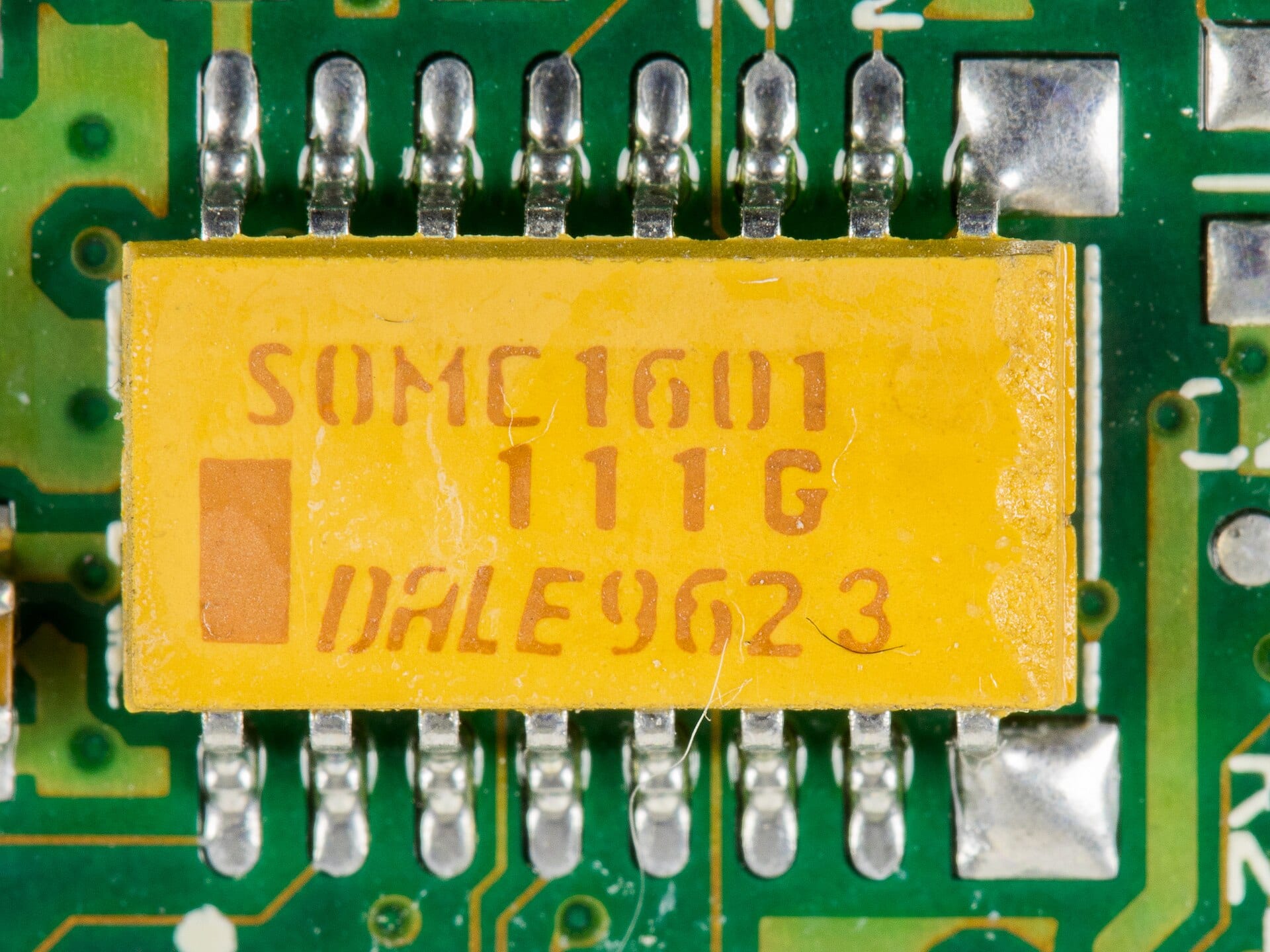
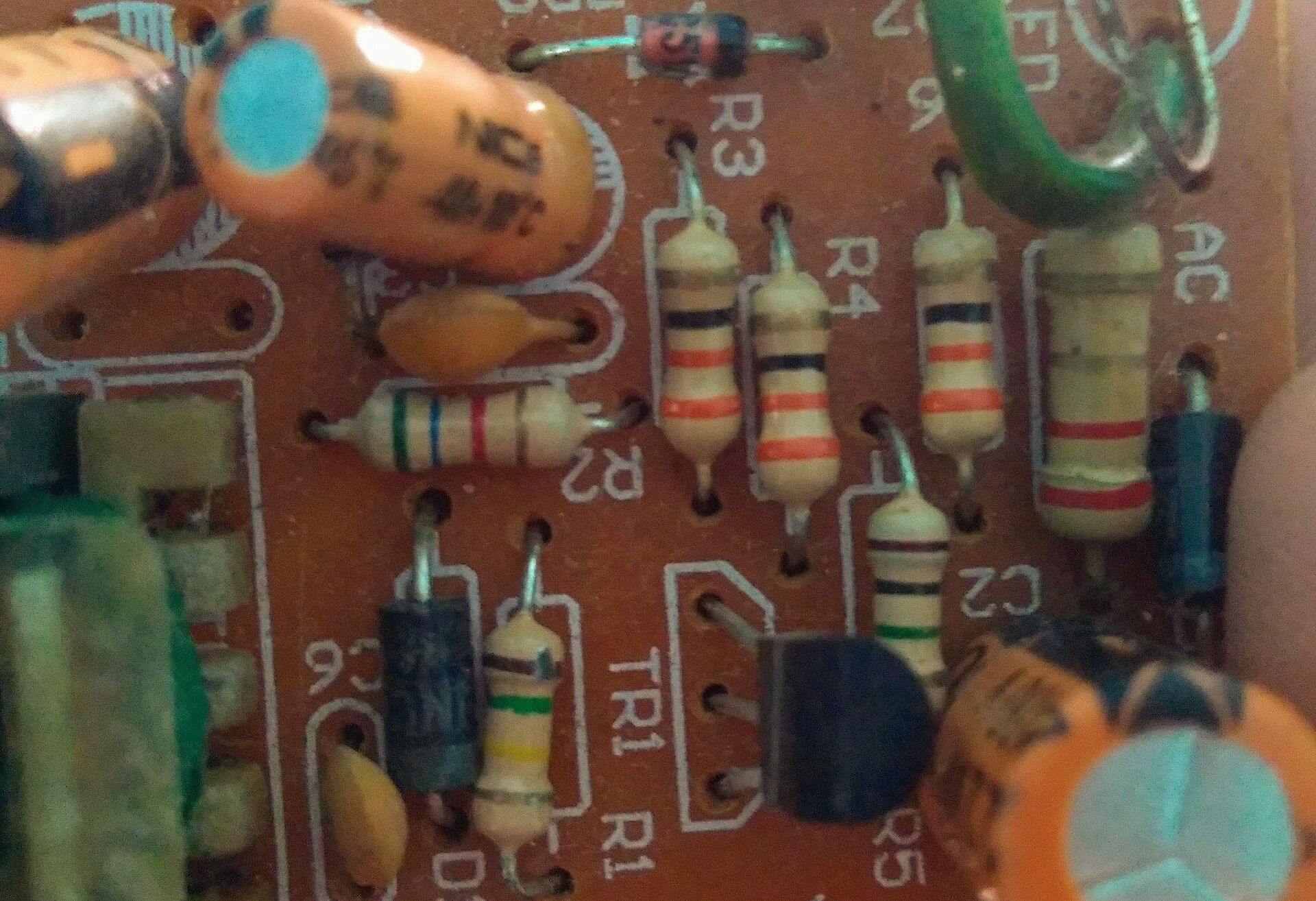
Vishay Intertechnology−9.72% — Vishay Intertechnology, down 9.72 percent today, a components maker in Malvern, Pennsylvania, founded in 1962 by Felix Zandman, builds the least glamorous parts on a circuit board: resistors, diodes, capacitors and power MOSFETs, the transistor switches that manage power flow 625. Results for the fiscal third quarter, ended October 3, land before the New York Stock Exchange opens on Wednesday, November 4 5.
Management guided gross margin to 24%, plus or minus 50 basis points, hitting its exit-2026 goal a quarter early 41. The market has answered with a 28% three-month drawdown: at $26.71 on October 27, the stock sat about 2% above its post-earnings low of $26.08, down from a twelve-month high of $69.47 12.
The slide began with the August 5 report, when revenue of $888.6 million missed the Street's $904.9 million even as adjusted earnings of $0.19 beat the $0.15 consensus 32. The stock has since bounced to $29.43, still up 103% this year 5.
The order book keeps backing management
The demand data sides with management. Book-to-bill, the ratio of orders to shipments, reached 1.32, so orders ran 32% ahead of shipments, and backlog rose 18% to $1.9 billion, about 6.1 months of sales 4. Industrial revenue jumped 30.1% year over year on smart-grid, AI power and high-voltage DC programs 4, and Americas passive-component orders hit a 20-year high on AI power, smart-grid and defense demand 1.
Pricing is what makes the guide testable. Average selling prices rose 2% sequentially, increases are announced on about a third of running part numbers, and there is little sign of customers pulling orders forward to dodge them 143. Adjusted revenue of $918.6 million, the company's preferred measure, cleared the top of its own guidance 4.
Revenue has risen six straight quarters; the Street now sits at the top of the guide
- Revenue
- Estimate
Data
| Revenue | |
|---|---|
| Q3 2024 | $735.4M |
| Q4 2024 | $714.7M |
| Q1 2025 | $715.2M |
| Q2 2025 | $762.3M |
| Q3 2025 | $790.6M |
| Q4 2025 | $800.9M |
| Q1 2026 | $839.2M |
| Q2 2026 | $888.6M |
| Q3 2026 guide (estimate) | $960M ($945–975M) |
Consensus at the top of the guide sets up a midpoint miss
The bear case has receipts too. The Street models earnings of $0.29 a share on $971.9 million of revenue, near the top of the $945–975 million guide, so the $960 million midpoint would read as a shortfall 1. The guide was issued 2% above the Street's $941.6 million estimate; estimates have since climbed past its midpoint 3.
The quarter also faces costs revenue does not: the $830 million equity raise added 17.25 million shares, the effective tax rate is guided to a stubborn 35–40%, and inventory built to $807 million 41. Short interest stands at 11.67% 8. Management is watching for double ordering as lead times stretch, and recent product releases quote 8 to 16 weeks 17. Into that gap stepped Brooklands Fund Management, reporting a new stake of 794,600 shares worth about $25.9 million, its tenth-largest holding 2.
Twenty-four is the number to watch
Vishay lost $31 million in 2024 on $2.9 billion of sales 6; a company that spent that year losing money is now promising a 30% gross margin by 2028 1. Hold 24% with revenue near the top of the range and a December guide pointing higher, and the turnaround stays intact; miss, and the three-month slide reads as vindication 1.
The 24% gross margin guide is the number November 4 has to prove
- Gross margin
- Estimate
Data
| Gross margin | |
|---|---|
| Q2 2025 | 19.5% |
| Q2 2026 | 22.6% |
| Q3 2026 guide (estimate) | 24% |
The tell on the call is book-to-bill 1. Comfortably above 1, with distributor inventory holding near 18 weeks, down from 20, says demand is real; a slide toward parity alongside rising channel stock would say customers were ordering twice 14.
Get Chips by email, free
How AI demand is reshaping chipmakers, memory and the fabs behind them. In our daily email, every weekday.