CXMT validates the DRAM design Micron abandoned, with server samples due December 31
CXMT says engineering validation of its sixth-generation 4F² DRAM platform is complete and first server-memory samples reach clients by December 31, a dated test of the shortage behind Micron's 86.8% gross margin.
 Vincent Jiang · 3 min read
Validation done, samples dated
CXMT−2.50% — CXMT, down 2.50 percent today, China's largest DRAM maker, used its first earnings report since its July Shanghai listing to say engineering-sample validation of its sixth-generation DRAM platform is complete: core performance targets met on real wafers, with mass production to follow customer qualification 1.
It was the first public confirmation the platform rests on 4F², a cell layout giving each memory cell four times the square of the smallest line a fab can print, roughly a third less area than the 6F² cells the industry ships today 13.
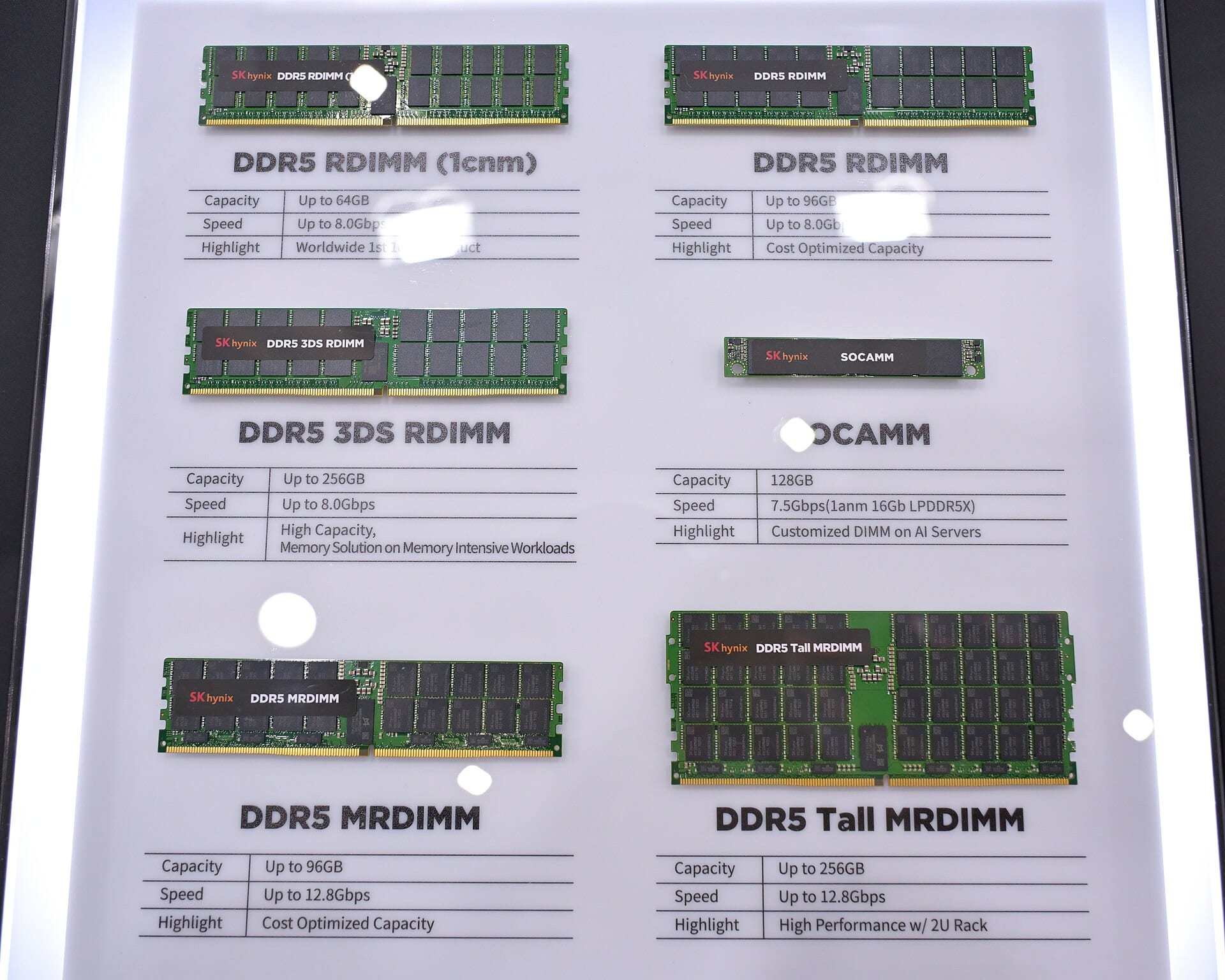
First DDR5 RDIMM modules, registered memory for servers, go to customer testing by December 31, servers first, then other lines; Samsung plans sub-10-nanometre 4F² mass production only in 2028, and SK hynix−7.62% — SK hynix, down 7.62 percent today published its roadmap in 2025 12. The year-end pledge is not new: The Inference covered it on October 11 12. The validation, Micron's−4.83% — Micron, down 4.83 percent today exit and the quarter's numbers are.
Micron says the physics does not work
Micron President and CTO Scott DeBoer told a October 21 webinar that DRAM density is set by the spacing capacitors require rather than the nominal cell footprint, so 4F² buys little density at sharply higher cost; after more than two decades of research, Micron scrapped commercialization and will keep scaling 6F² toward stacked 3D DRAM 4.
CXMT's answer, at its October 30 briefing: "the layout and structure of word lines and bit lines must be considered as well, not just the capacitor" 3. Samsung and SK hynix are still building 4F² 4. The argument is over margins the shortage created: Micron closed its fiscal fourth quarter on September 3 with an 86.8% gross margin on $54.2 billion of revenue, up from 44.7% a year earlier, and CXMT printed 89.5% 56.
The shortage took Micron's gross margin from 44.7% to 86.8% in five quarters
Data
| Gross margin | |
|---|---|
| Q4 '23 | -0.7% |
| Q1 '24 | 18.5% |
| Q2 '24 | 26.9% |
| Q3 '24 | 35.3% |
| Q4 '24 | 38.4% |
| Q1 '25 | 36.8% |
| Q2 '25 | 37.7% |
| Q3 '25 | 44.7% |
| Q4 '25 | 56% |
| Q1 '26 | 74.4% |
| Q2 '26 | 84.6% |
| Q3 '26 | 86.8% |
The slowdown number, and the checkpoint
CXMT's quarter was 118.7 billion yuan of revenue (about $18 billion), up 613% year on year, with 54.4 billion yuan of net profit 235. Sequential growth slowed to 19.3% from more than 90% in the second quarter, the first number to ask whether pricing is cresting; Morningstar's Jing Zhiwei expects stability rather than explosive growth 23.
CXMT ended September with about 285 billion yuan ($43 billion) of cash and holds 9.5% of global DRAM revenue, up from 7.6% in the first quarter, against Samsung's 39.4%, SK hynix's 24.9% and Micron's 23.3% 578. If the samples qualify, server buyers gain a fourth supplier, and the incumbents' margins are what pays for it.
CXMT's 9.5% of global DRAM revenue still trails the three incumbents
Data
| Value | |
|---|---|
| Samsung | 39.4% |
| SK hynix | 24.9% |
| Micron | 23.3% |
| CXMT | 9.5% |
The other side has dates too
Micron CEO Sanjay Mehrotra expects memory to be much tighter in 2027 and 2028 than in 2026, with 75% of 2027 output already allocated, and TrendForce, in an assessment relayed by an industry roundup, sees no full-scale 4F² commercialization before 2028 and no spot-price effect yet 89.
CXMT itself says the product "cannot be entirely converted into immediate short-term profits," with mass production paced by customer validation 2. Micron fell 5.3% on October 30, the day CXMT reported, and trades near 12 times its $74.33 of fiscal 2026 earnings per share, about a quarter below its June record 57.
The market has already priced the boom's end; December 31 is the first date anyone can check it.
Get Chips by email, free
How AI demand is reshaping chipmakers, memory and the fabs behind them. In our daily email, every weekday.