Hanmi Semiconductor's near-monopoly in HBM stacking missed its quarter by 23%, and its replacement slipped too
Hanmi Semiconductor, which builds most of the machines that stack HBM memory for AI chips, missed third-quarter consensus by about 23 percent on slipped bonder deliveries; CLSA estimates Micron drove the quarter while SK hynix contributed no revenue. The hybrid-bonding tools meant to displace Hanmi's machines are being delayed too, which extends the incumbent's runway and leaves its delivery schedule as the open risk.
 Richard Tang · 3 min read
Hanmi Semiconductor's+4.93% — Hanmi Semiconductor's, up 4.93 percent today third quarter, reported on October 30, missed market consensus by about 23 percent for a mundane reason: bonders due to ship in the quarter slipped into the fourth, the brokerage CLSA said 1. CLSA estimates that Micron−5.14% — Micron, down 5.14 percent today, the US memory maker, drove the quarter's results, with no revenue contribution from SK hynix−1.36% — SK hynix, down 1.36 percent today 1.
That is the sequel to our October 22 report that Micron had named Hanmi a top supplier for a second year: what is new since is a quarter paid for by a single customer, and a slip by the technology meant to replace Hanmi's tools.
A near-monopoly can still miss its quarter
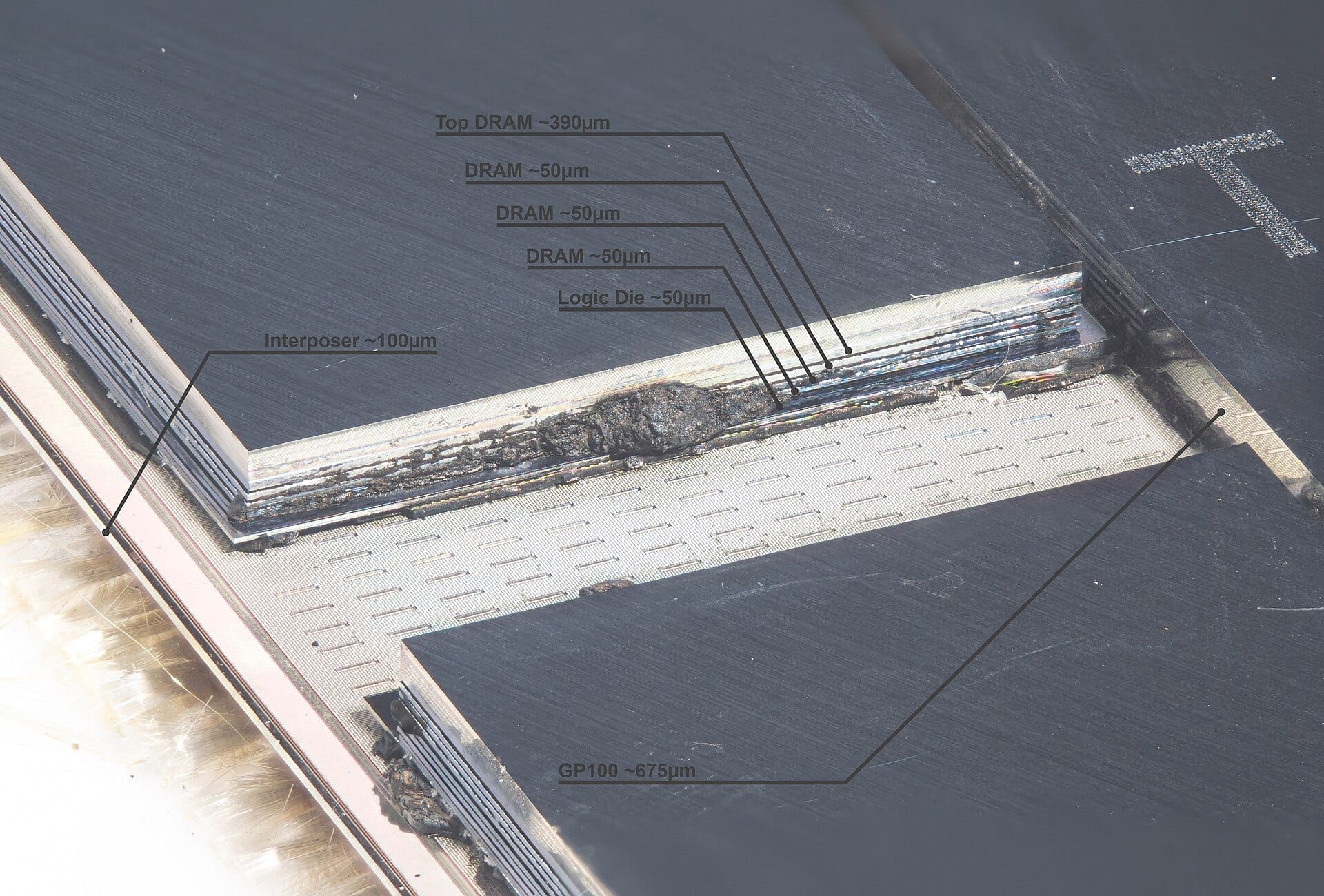
High-bandwidth memory is DRAM dies stacked on a logic base, and the thermocompression (TC) bonder is the machine that fuses each layer on with heat and force. Hanmi holds 71.2 percent of that tool market worldwide, on TechInsights' tracking 3, and the 50.2 percent operating margin it printed this quarter is what the industry pays for the assembly bottleneck 2.
What a bottleneck cannot do is set its own calendar. Revenue collapsed in the first quarter when memory makers paused capex for the HBM4 changeover, set a record in the second, and the third landed between the two 3.
Hanmi's 2026 quarters swing from collapse to record on delivery timing
Data
| Value | |
|---|---|
| Q1 2026 | 50.9B won |
| Q2 2026 | 251.1B won |
| Q3 2026 | 181B won |
The customer list is the fragility
SK hynix, the world's largest HBM maker and Hanmi's anchor buyer, has opened secondary-sourcing assessments with the Korean rival Hanwha Semitech 3. The split began in 2024, when SK hynix added ASMPT, a Singapore-based chip-tool maker, to its bonder suppliers 4. Hanwha followed with a first order in March 2025, and Hanmi answered with a patent suit against it; SK hynix still bought Hanmi's HBM4-generation bonder this June 4. The tools keep selling, but the buying is shared now.
The challenger slipped too
Besi−0.32% — Besi, down 0.32 percent today, the Dutch maker of hybrid bonding tools, which fuse copper pads directly and were expected to displace TC bonding as stacks get taller, acknowledged in its third-quarter results that memory customers are delaying adoption 1. CLSA now expects thermocompression to hold while stacking stays at 16 layers or fewer, with cost and yield blocking mass-production qualification of the alternative 1; a hybrid bonder costs more than three times a TC bonder 4.
Applied Materials−2.95% — Applied Materials, down 2.95 percent today, the US chip-equipment maker, agreed last week to lift its Besi stake to about 20 percent, adding to its 2025 investment 5. Big capital is still behind the challenger, on a longer timeline than the market assumed.
What decides the fourth quarter
CLSA kept its 300,000 won target on November 2 and sees Samsung possibly adopting Hanmi's bonders for HBM4E, the generation after HBM4, from 2027 1. Hanmi guides to a record fourth quarter, a third straight record year and its highest-ever dividend 2. Those are expectations, and they rest on shipments that have already moved once.
An October report relayed by 24/7 Wall St said some of SK hynix's HBM4 back-end equipment orders, planned for this half, may slip into next year; it named no suppliers, and SK hynix did not comment 6. CLSA names further shipment delays as the key downside risk 1, and shareholders here are betting that tools deferred once actually ship this quarter.
Get Chips by email, free
How AI demand is reshaping chipmakers, memory and the fabs behind them. In our daily email, every weekday.