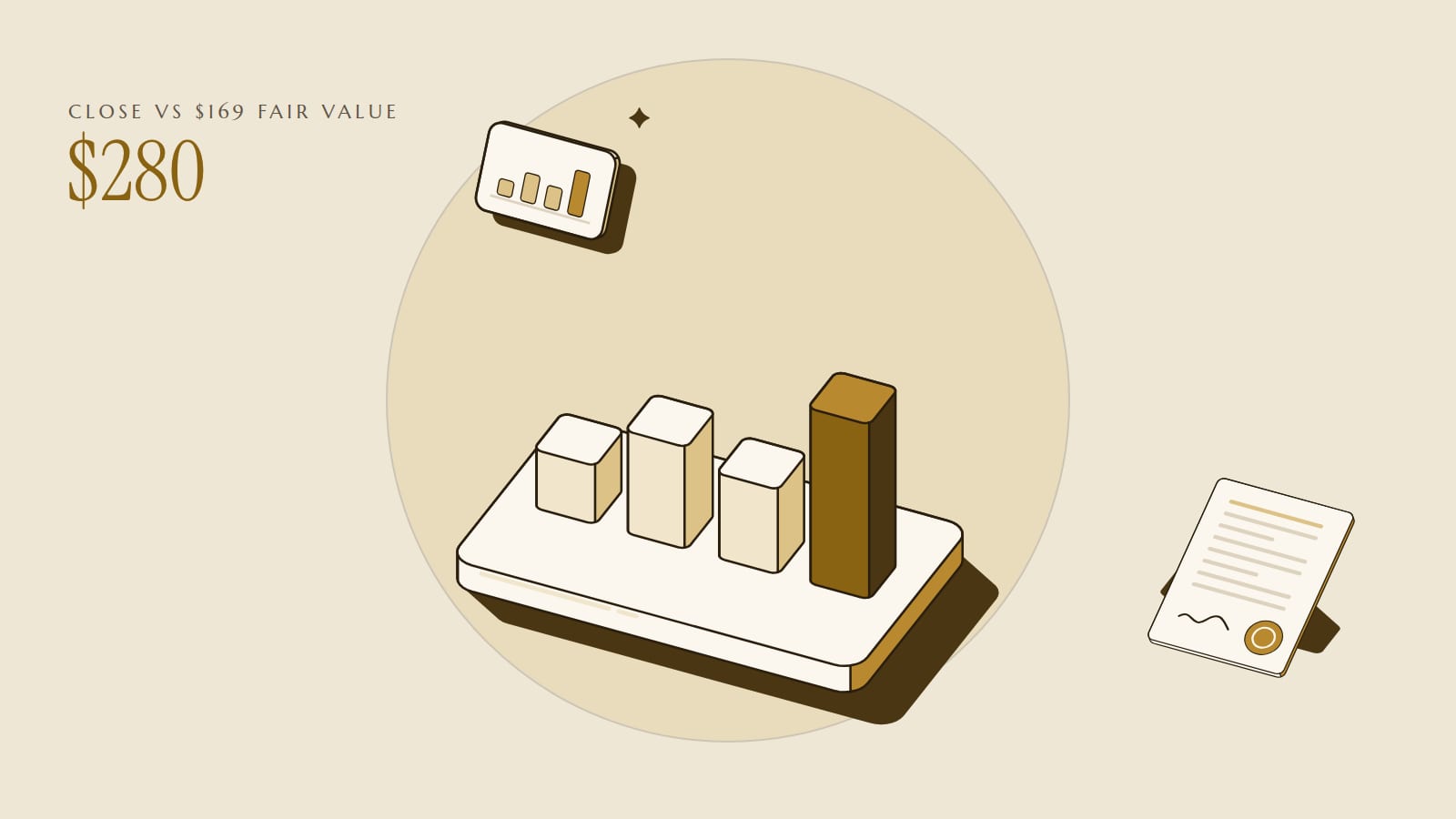
HubSpot fell 12.68% after cutting Q4 growth guidance to 12% from 17% as AI agents shrink seat revenue
HubSpot beat every line, then guided fourth-quarter revenue $18.9 million below consensus, and the stock fell 12.68%. The guide is the first hard number on what agent pricing does to a seat-based business.
 Richard Tang · 2 min read

HubSpot−12.50% — HubSpot, down 12.50 percent today just put a number on what an AI pivot costs the business that pays for it. The quarterly report beat every line, the fourth-quarter guide cut revenue growth from 17% to about 12% in one step, and the stock fell 12.68% after hours on Wednesday 1. That guide is the first hard measurement of the "Outcomes Era" chief executive Yamini Rangan promises, where agents do the work and customers pay for results instead of seats 2.
The seat model is decelerating exactly where agents bite
The mechanism is pricing, not demand. HubSpot bills 311,704 customers an average of $12,038 a year, mostly per seat 2. When an agent does the work, a customer needs fewer seats, so the same product sells a smaller subscription. The quarter already showed the squeeze at the edges: customers up 12%, revenue per customer up only 4% 2. The guide turns that arithmetic into a five-point growth cut 1.
Growth steps down from 23% to a guided 12% in four quarters
- Revenue growth, % YoY
- Estimate
Data
| Revenue growth, % YoY | |
|---|---|
| Q4 '25 | 20.4 |
| Q1 '26 | 23.4 |
| Q2 '26 | 19.8 |
| Q3 '26 | 17.1 |
| Q4 '26 guide (estimate) | 12 |
The EPS beat was partly bought back
Part of the $3.81 non-GAAP earnings per share, a $0.54 beat, came from shrinking the denominator rather than growing the business 12. HubSpot spent $237.2 million buying its own stock, and diluted shares fell to 49.5 million from 52.7 million a year earlier 12. The margin story is real, 22.6% non-GAAP operating margin against 19.9%, but the buyback props the per-share line while the revenue line under it slows 1.
GAAP operating margin swung from a 3.8% loss to profit in two years
Data
| GAAP operating margin | |
|---|---|
| Q1 '24 | -3.8% |
| Q2 '24 | -3.8% |
| Q3 '24 | -1.4% |
| Q4 '24 | -1.5% |
| Q1 '25 | -3.8% |
| Q2 '25 | -3.2% |
| Q3 '25 | 1.4% |
| Q4 '25 | 5.7% |
| Q1 '26 | 3.2% |
| Q2 '26 | 4.8% |
Shareholders are funding the bridge
The company is cash-rich, with $1.3 billion on hand and $238 million of quarterly operating cash flow, so this is a transition it can afford 2. It is also paying to reorganize: 660 jobs cut in October, about 7% of staff, with $65 to 75 million of restructuring charges landing mostly in the fourth quarter and excluded from the guided numbers 34.
If outcomes pricing replaces seat revenue at the pace Rangan expects, the deceleration is a toll, not a leak. Nothing reported yet shows that replacement working; the guide shows only the cost of trying 2.
The line to hold onto: HubSpot is selling fewer seats to build the thing that ends seat pricing, and shareholders are the ones carrying the gap.
Get Applications by email, free
How AI is changing the software people and companies use. In our daily email, every weekday.